The Cretaceous Period: The Climax and Finale of the Age of Dinosaurs! A Comprehensive Guide to the Rise of T. rex and Environmental Changes
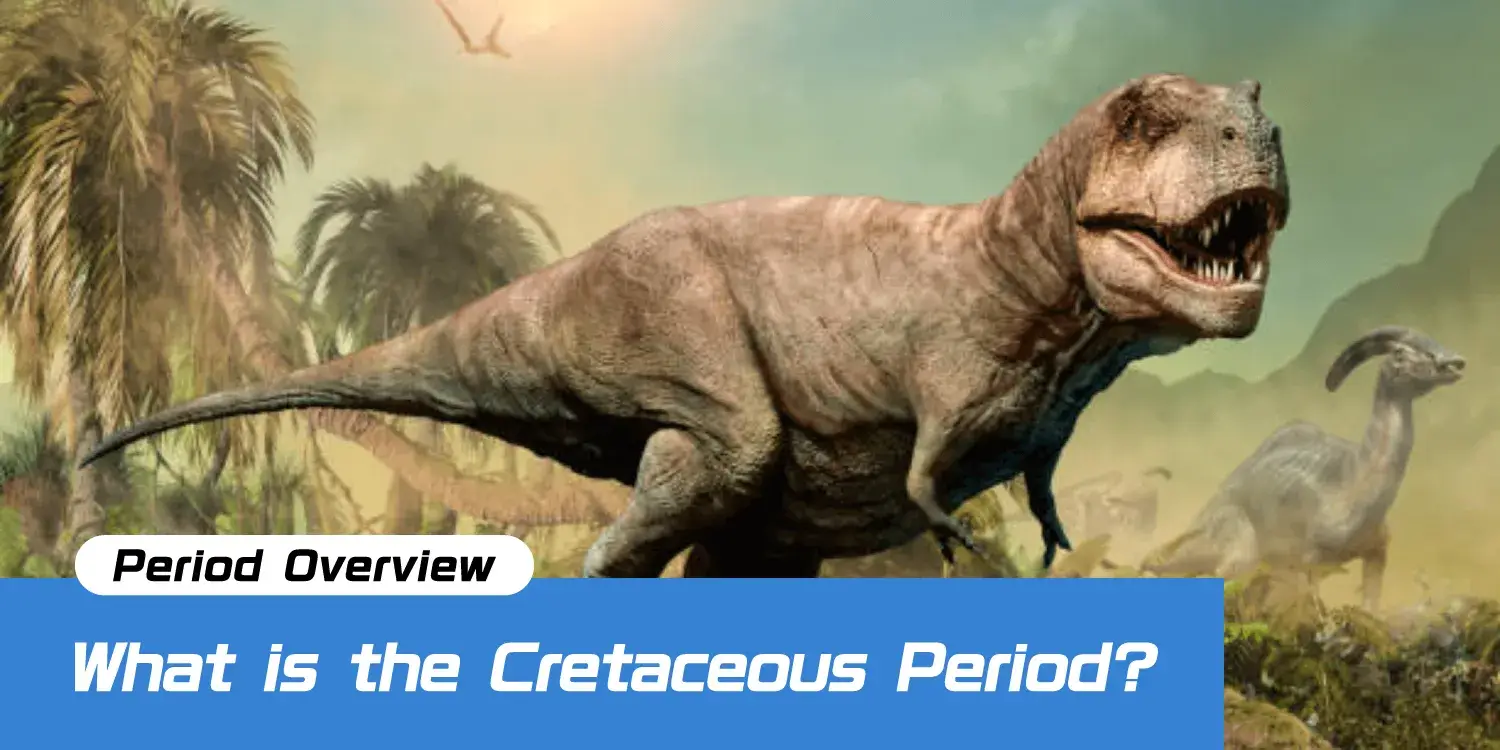
It was the era in Earth’s history when dinosaurs shined brightest, only to fall into an eternal slumber.
This is the “Cretaceous Period.”
Marking the finale of the Mesozoic Era, this period lasted for approximately 80 million years, from about 145.5 million years ago to 65.5 million years ago.
This is longer than the “Cenozoic Era” that continues to the present day, and it represents the longest span even when including the Triassic Period and Jurassic Period.
In this article, we explain the full scope of the Cretaceous Period, from the environment of the “Golden Age of Dinosaurs” that saw the rise of superstars like Tyrannosaurus, to the birth of flowers, and finally, the mysterious cause of their extinction.
A Changing Earth: Splitting Continents and a Warm Climate
During the long Cretaceous Period, the Earth’s environment underwent dramatic changes, approaching the configuration we know today.
Continental Drift and the Formation of the “Modern World”
The breakup of the Jurassic supercontinents (Laurasia and Gondwana) accelerated, separating Europe, Asia, North America, and Africa by oceans.
This “geographical isolation” drove unique biological evolution in each region, leading to an explosive increase in dinosaur diversity.
An Ice-Free World and Rising Sea Levels
The Cretaceous was extremely warm.
There were no glaciers even at the poles, and tropical plants flourished there.
Because there was no ice, sea levels were 120 meters higher than today; low-lying land was submerged, creating vast shallow seas.
On the other hand, the release of carbon dioxide from volcanic activity occasionally caused “Oceanic Anoxic Events,” damaging marine life.
The Climax of the Dinosaur Era: A Parade of Star Dinosaurs
Against the backdrop of a warm climate and abundant plant life, dinosaurs reached the pinnacle of their evolution.
Arrival of the Superstars
Especially in the Late Cretaceous (Maastrichtian age), Tyrannosaurus and Triceratops appeared in the Northern Hemisphere, establishing the golden age of the dinosaur era.
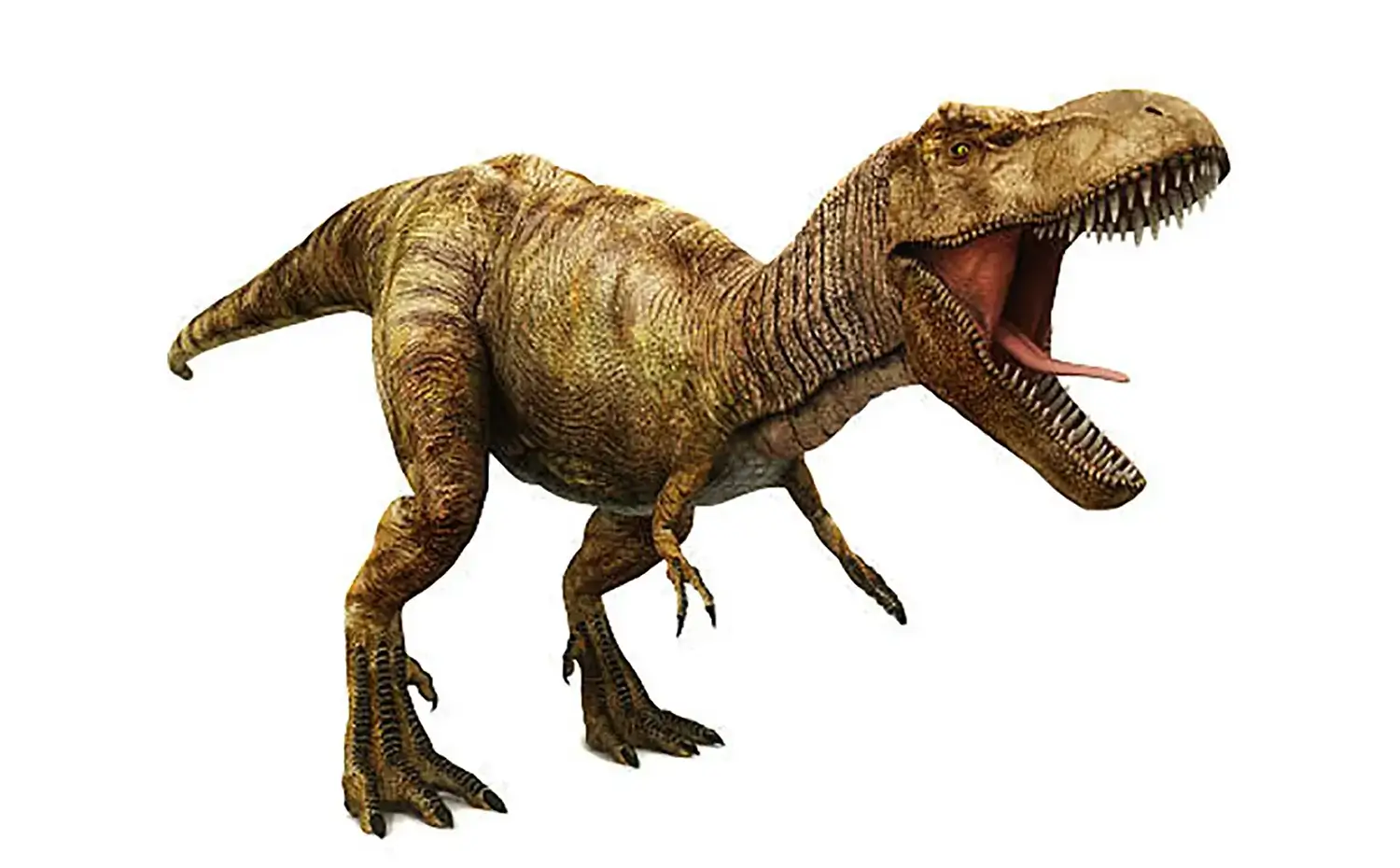
Tyrannosaurus
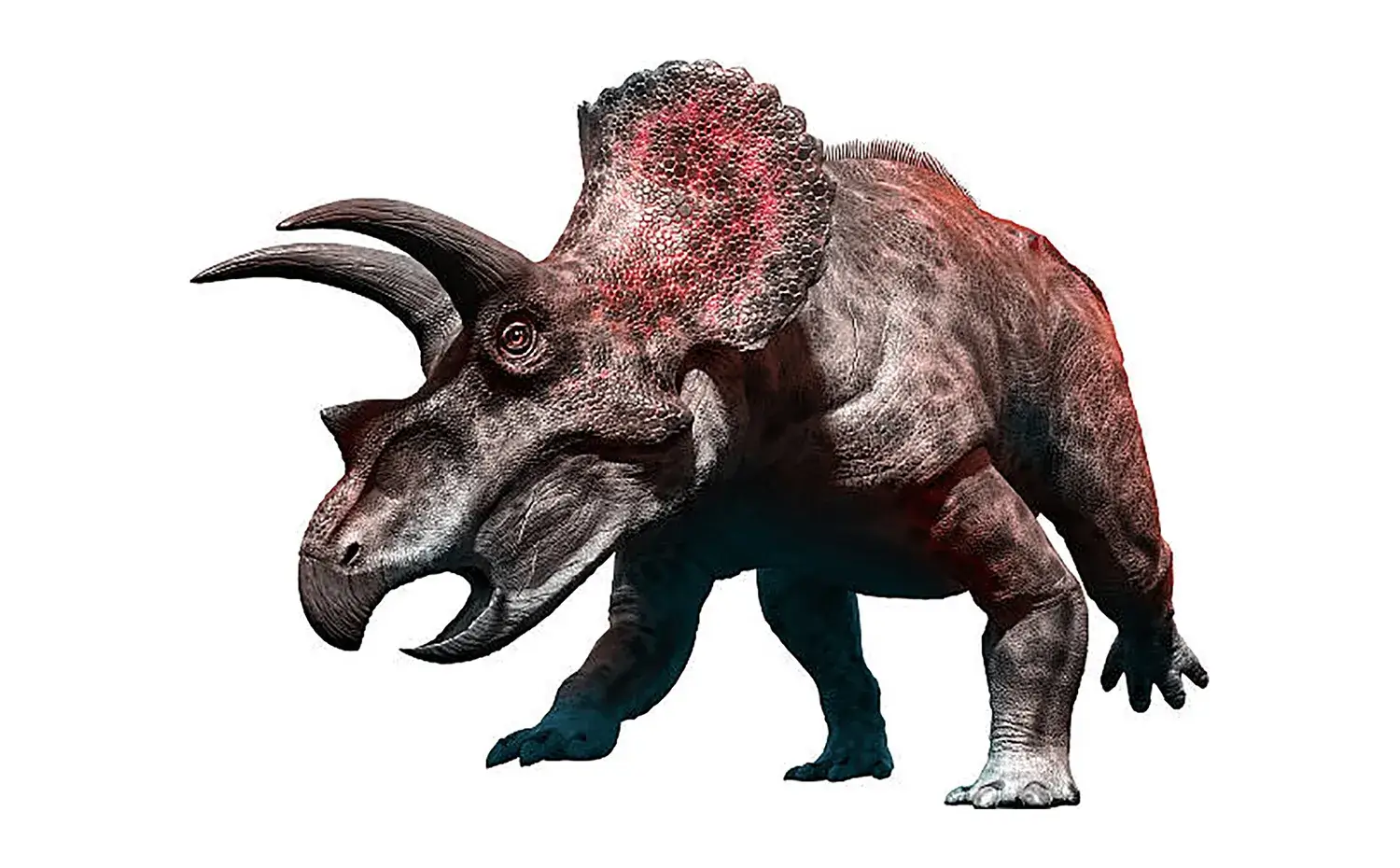
Triceratops
Meanwhile, a changing of the guard was taking place: the Stegosaurus family of the Jurassic disappeared, and sauropods declined with some exceptions.
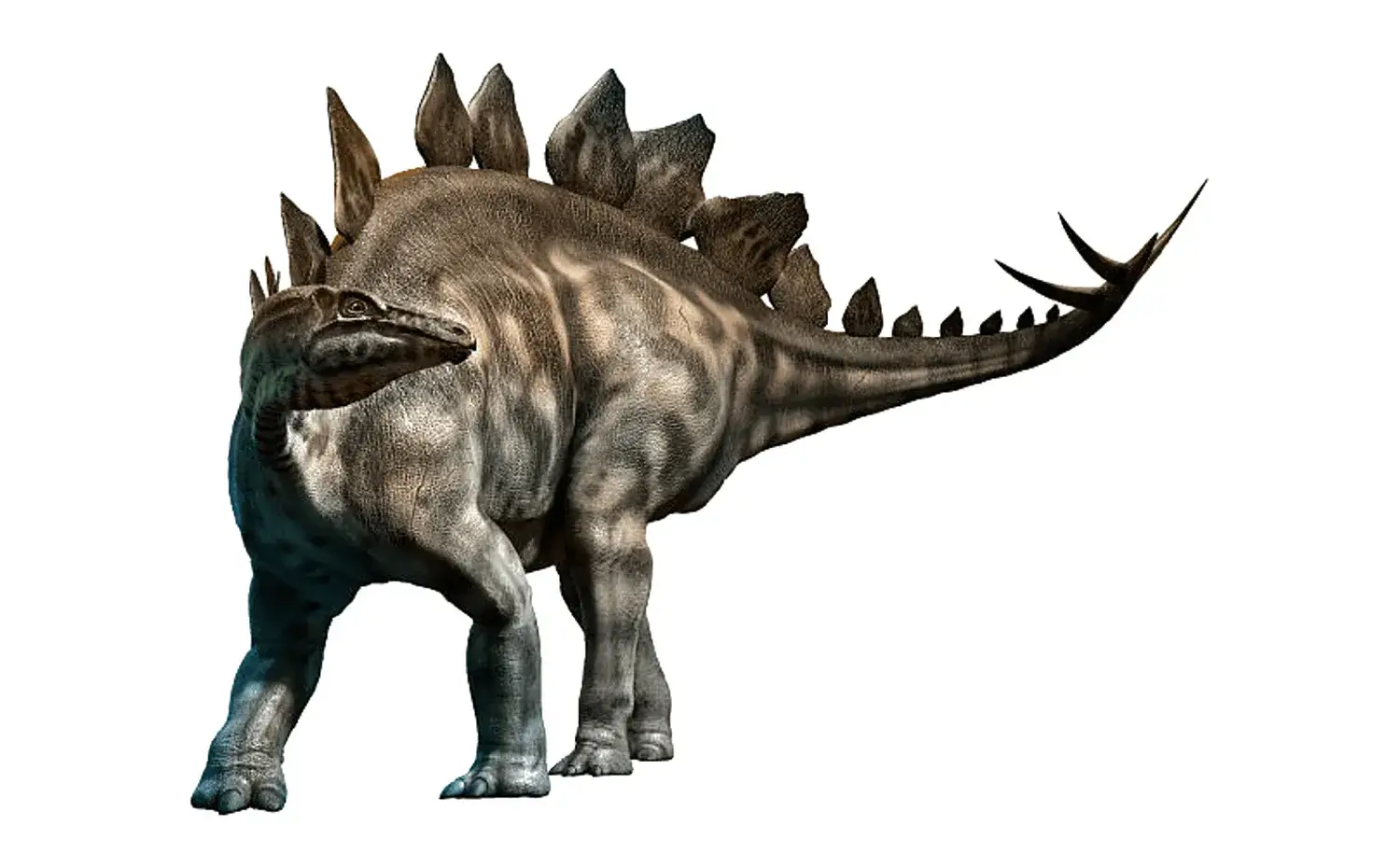
Stegosaurus
Rulers of the Sky and Sea
Sky
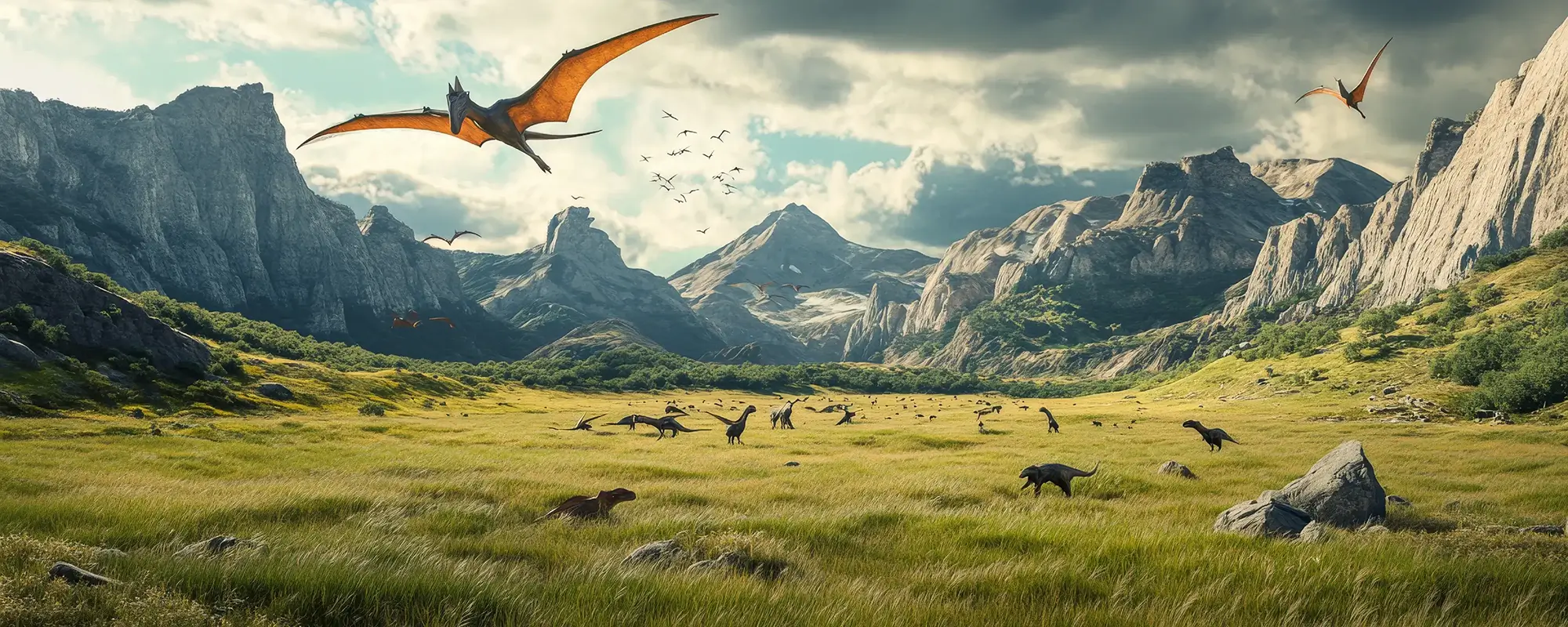
Pterosaurs grew to massive sizes, dominated by giants like Quetzalcoatlus, while birds began to advance into the ecological niches for smaller flying creatures.
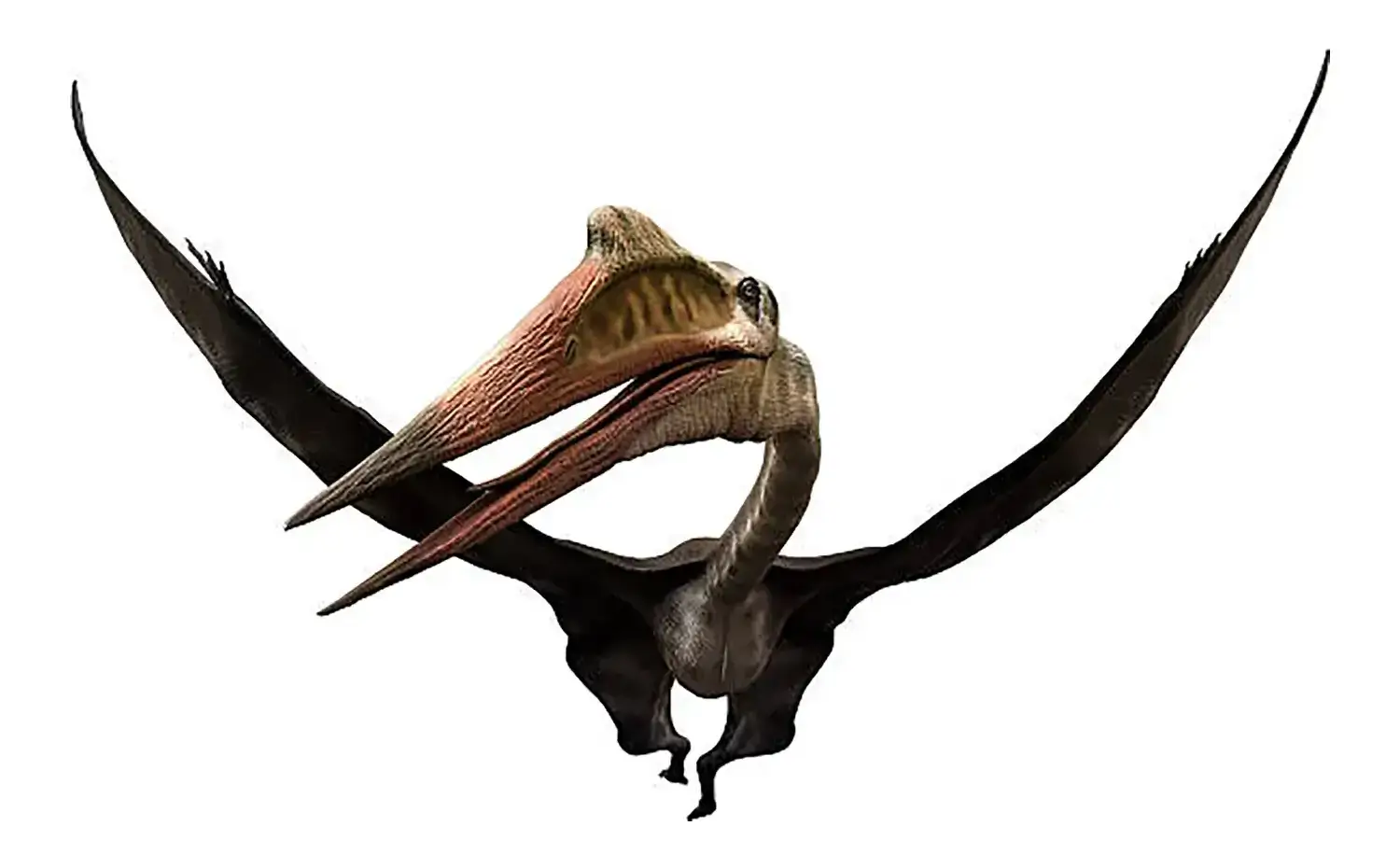
Quetzalcoatlus
Sea
Ichthyosaurs went extinct and plesiosaurs declined.
In their place, the mosasaurs, giant marine lizards, reigned as the new rulers.
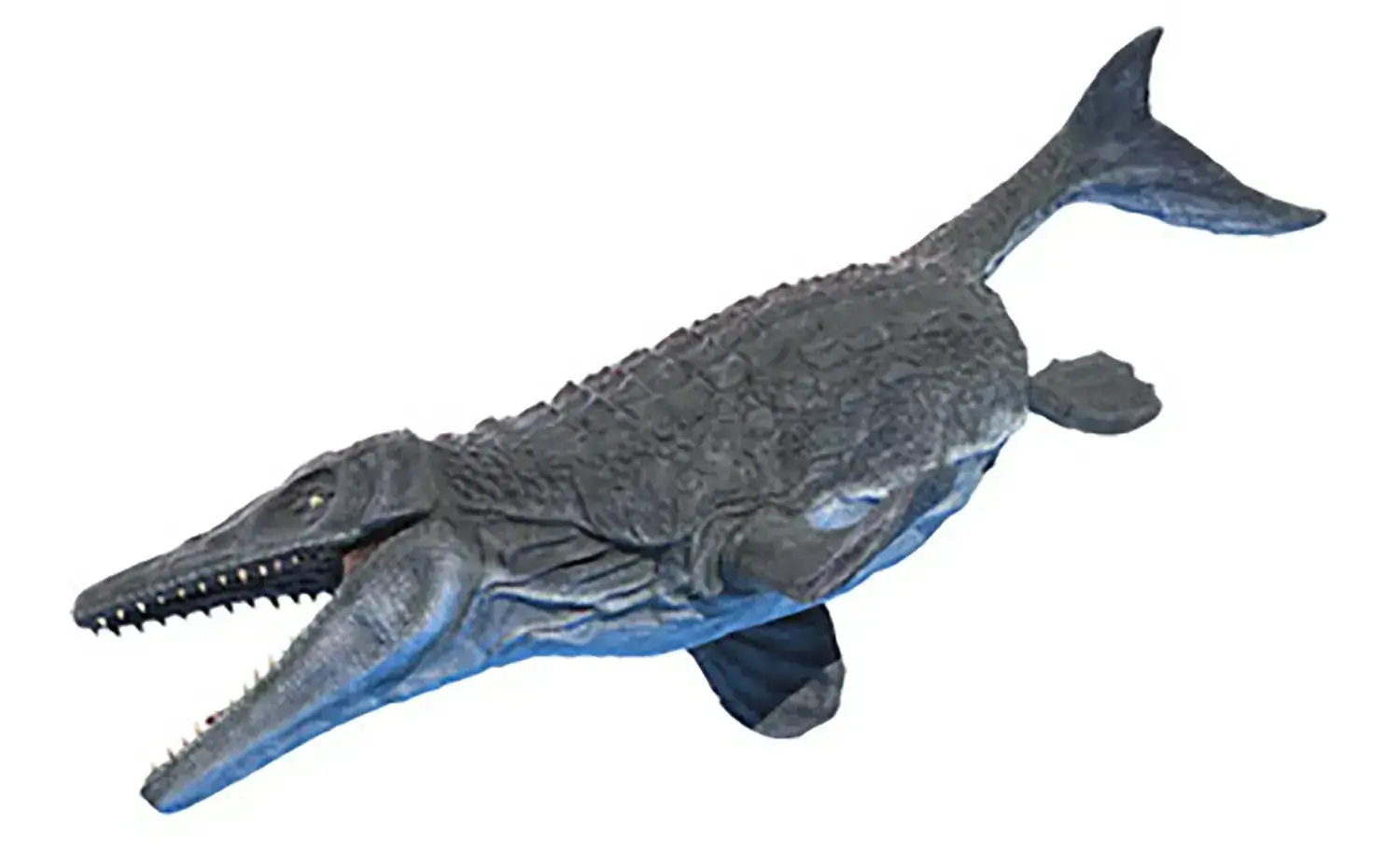
Mosasaurus
A Flowering Earth and the Rise of Mammals
The Cretaceous was also a time of revolution in the plant world.
Co-evolution of Flowers and Insects
Replacing ferns and gymnosperms, flowering plants (angiosperms) spread explosively.
Major modern plant families like legumes and orchids were born, and insects such as bees and butterflies diversified.
The world was filled with colorful flowers.
Evolution of Mammals
Mammals (eutherians and metatherians), who would become the rulers of the next era, had also appeared.
Although still small, they were adapting not only to insect-eating but also to herbivorous and carnivorous diets, advancing their ecological diversity.
A Sudden End: Giant Meteorite and the K-Pg Boundary
The prosperity that lasted for about 80 million years came to an abrupt end approximately 65.5 million years ago.
This was the mass extinction event known as the “K-Pg Boundary.”
Impact of a Giant Meteorite
The decisive factor is considered to be the impact of a giant meteorite.
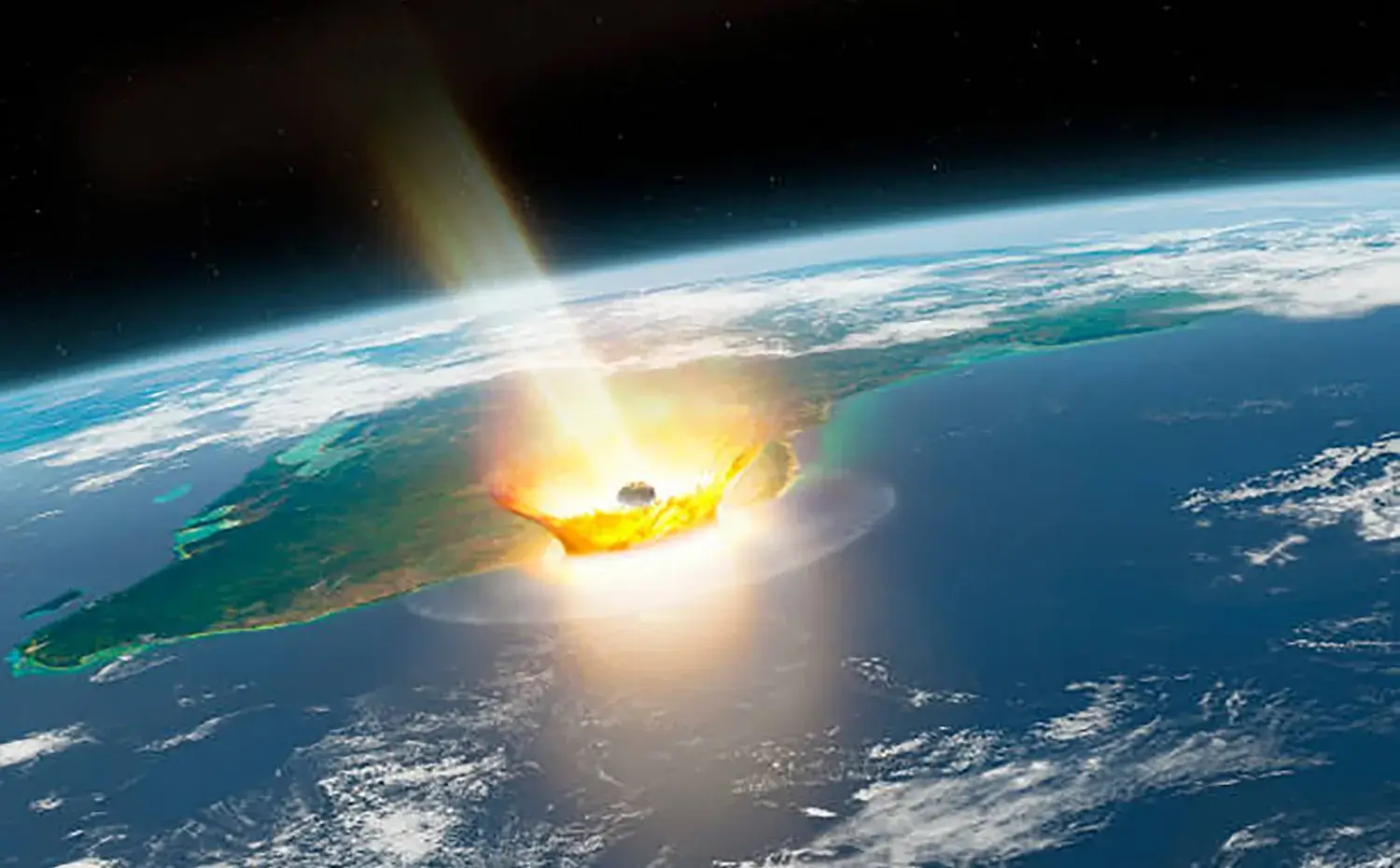
Impact of a giant meteorite
The environment changed drastically due to the “impact winter” caused by dust thrown into the atmosphere and acid rain.
The Survivors
Non-avian dinosaurs, pterosaurs, plesiosaurs, mosasaurs, and ammonites went extinct.
On the other hand, freshwater crocodiles, small lizards, and some small mammals and birds endured the harsh environment.
They would go on to thrive explosively in the subsequent “Cenozoic Era,” leading to the modern ecosystem.









![[Latest Research] What Was the Function of Spinosaurus's Giant "Sail"? Exploring the Mysteries of Thermoregulation and Underwater Locomotion](https://dinosaurmuseum.jp/wp/wp-content/uploads/eyecatch_spinosaurus-sail-function_en-1024x512.webp)
![[Latest Discovery] A Third Type of Skin, Neither Scales Nor Feathers? Meet "Haolong dongi," a New Dinosaur Species Covered Entirely in Spikes](https://dinosaurmuseum.jp/wp/wp-content/uploads/eyecatch_dinosaur-spiky-skin-discovery_en-1024x512.webp)