
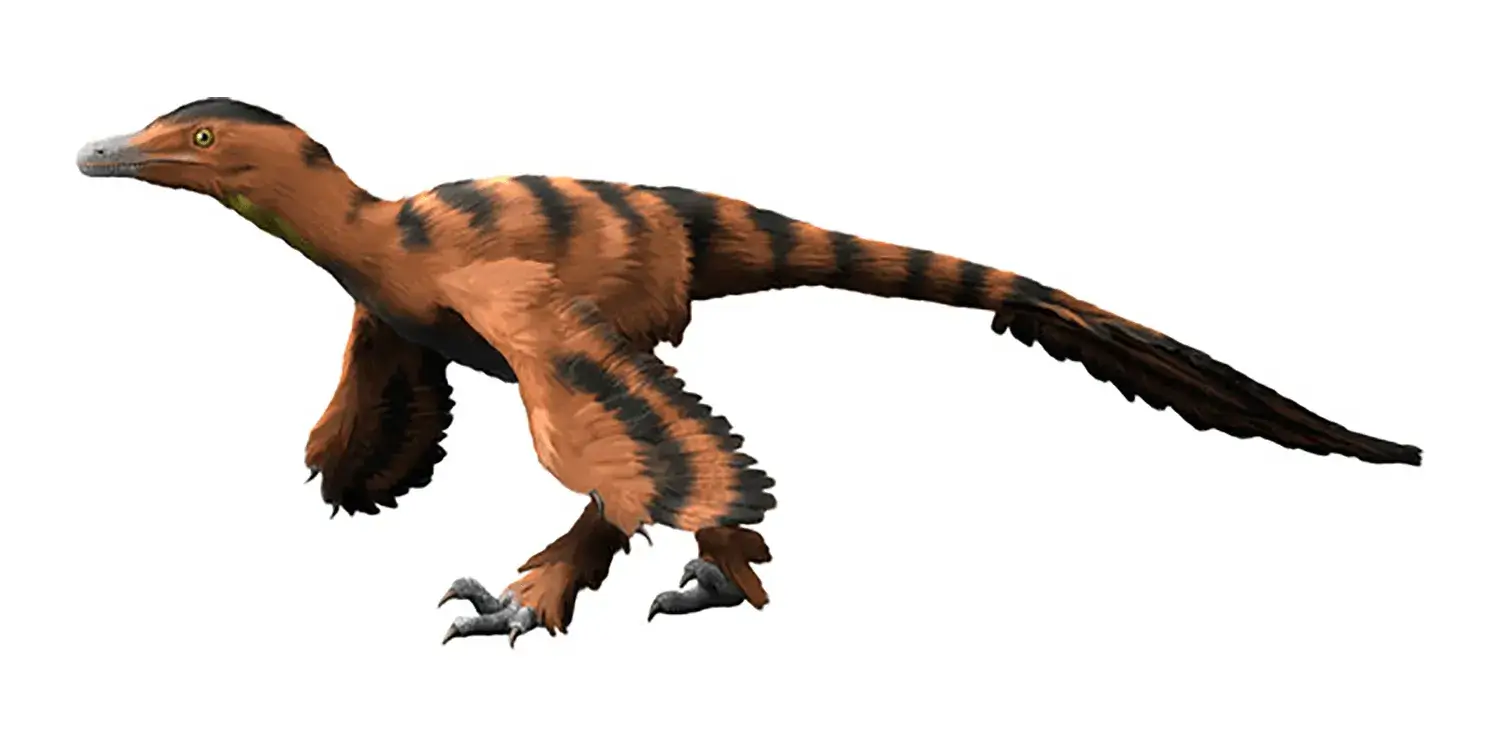
Q Why are many paleontologists skeptical of the theory that Sinornithosaurus was venomous?
- A Tooth grooves also occur in non-venomous animals, and the supposed venom-gland cavity may actually have been a sinus.
- B No other venomous dinosaur fossils have been discovered, leaving nothing to compare with.
- C Its teeth were too short to inject venom into prey.
A Tooth grooves also occur in non-venomous animals, and the supposed venom-gland cavity may actually have been a sinus.
A theory proposed in 2009 suggested that it was venomous, based on grooves in its teeth and a cavity in the bone near the base of the teeth.
However, similar tooth grooves are also found in non-venomous animals such as baboons and mandrills.
Furthermore, the cavity once thought to have housed a venom gland is now believed to have most likely been a paranasal sinus, an air-filled passage.
Find a Dinosaur 
-
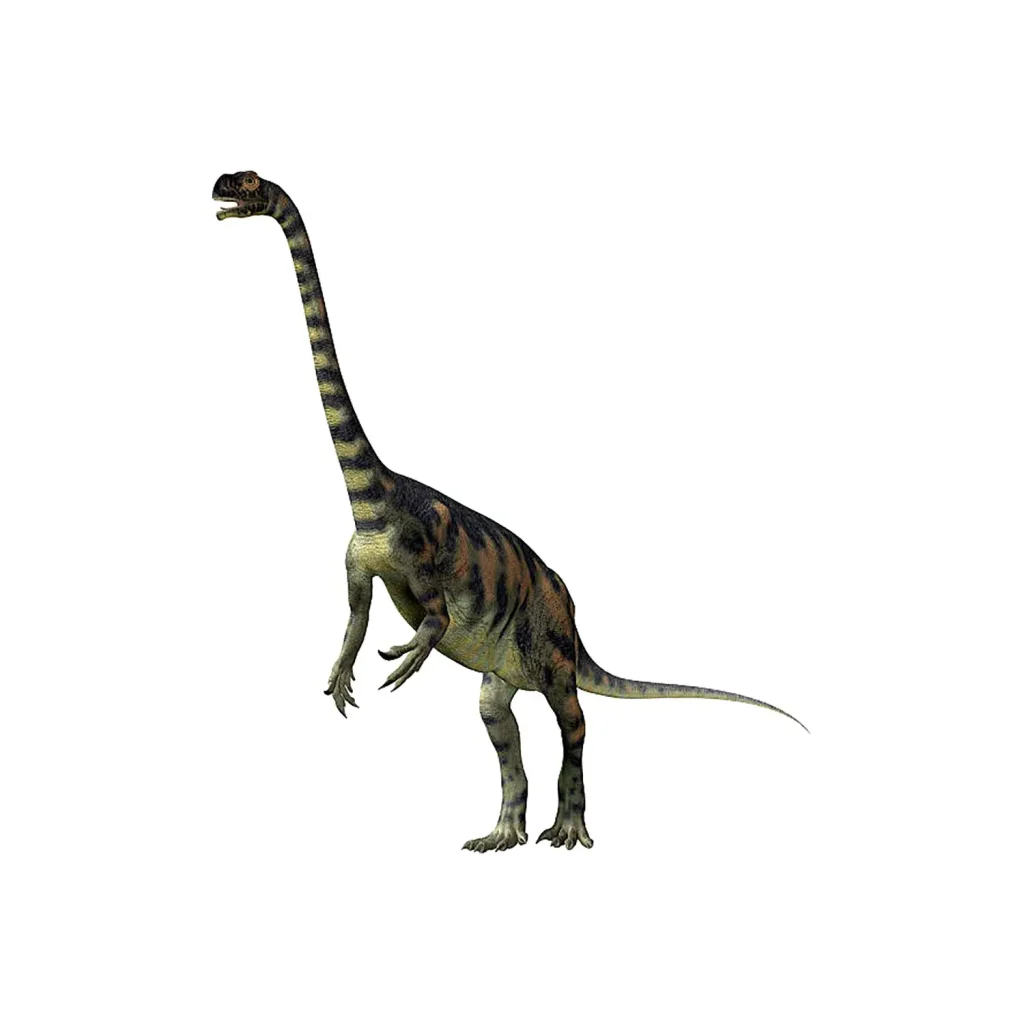
 Massospondylus
- Classification
- Sauropods
- Characteristics
- Herbivorous
- Era
- Jurassic period
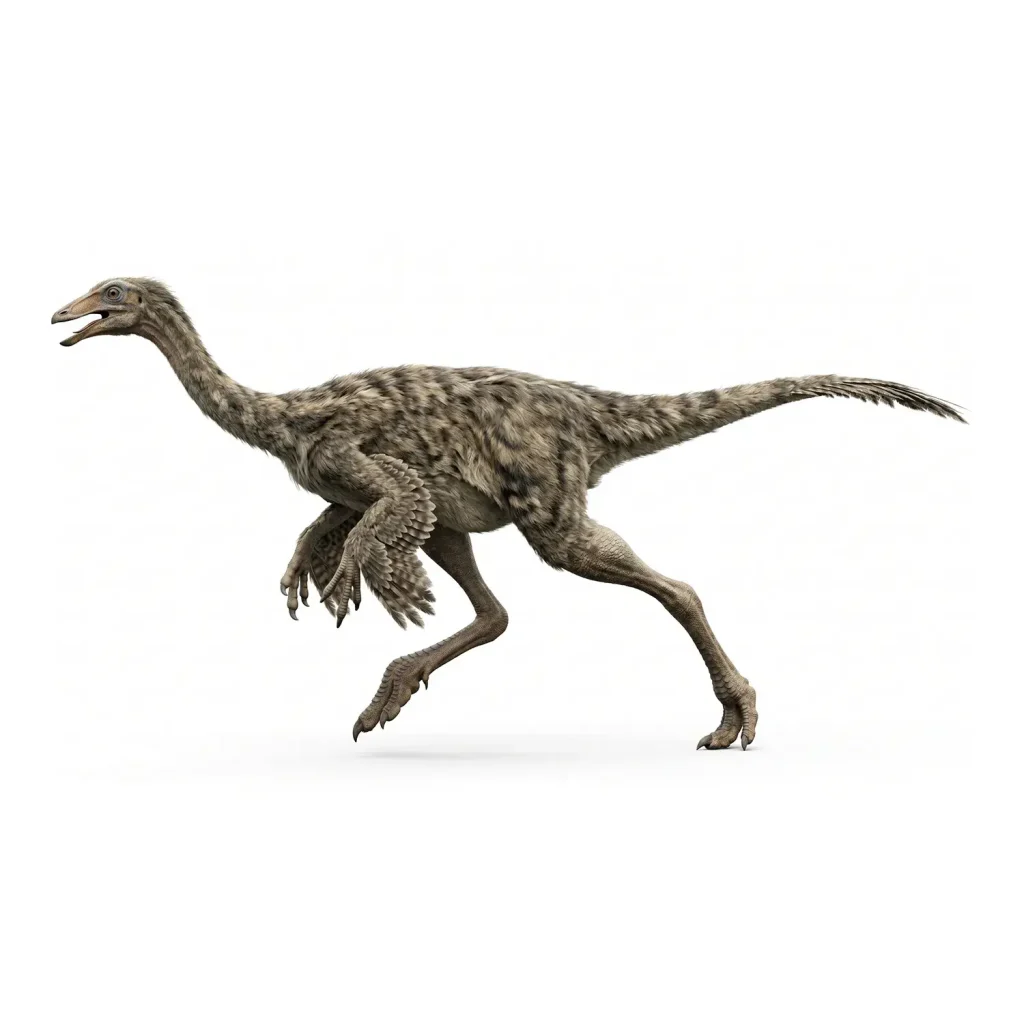
- Ornithomimus
- Classification
- Theropods
- Characteristics
- Herbivorous
- Omnivorous
- Feathered
- Era
- Cretaceous period
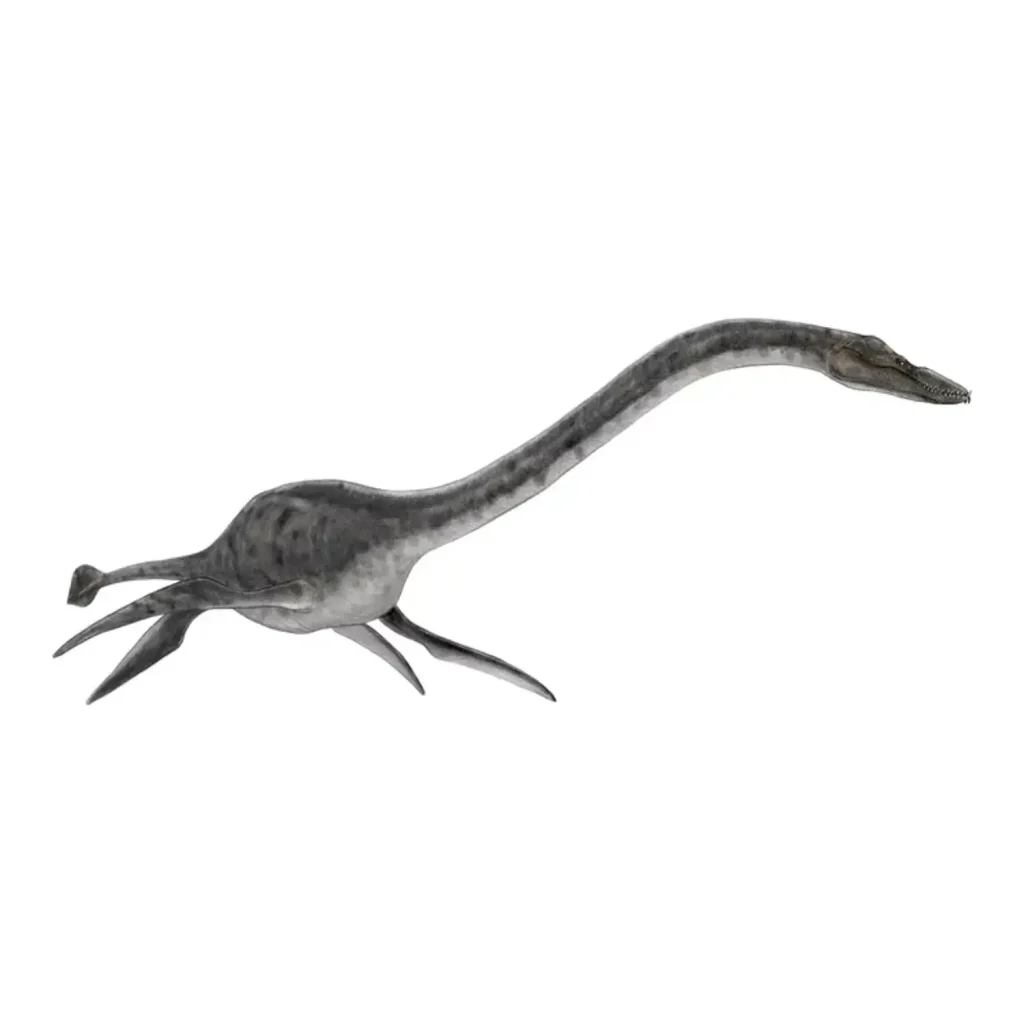
- Futabasaurus
- Classification
- Marine reptiles
- Characteristics
- Carnivorous
- Era
- Cretaceous period
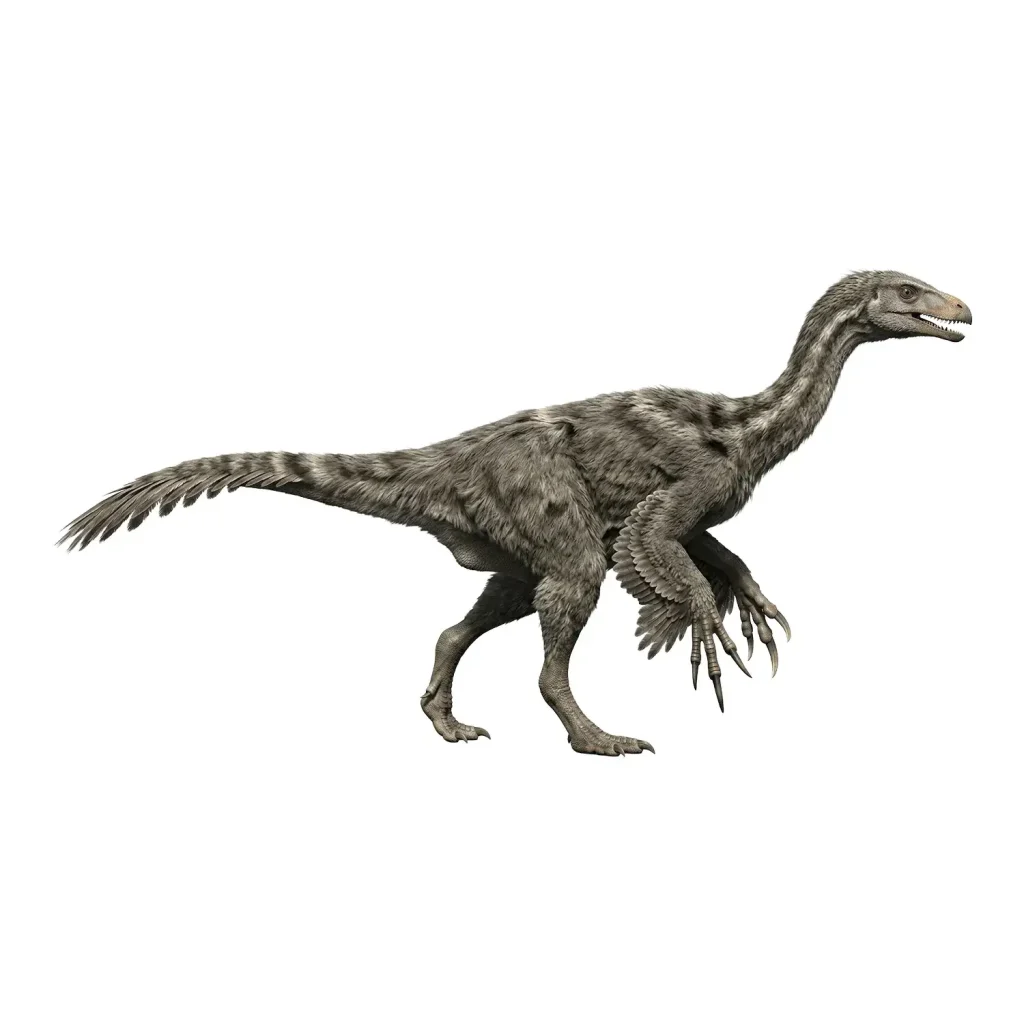
- Falcarius
- Classification
- Theropods
- Characteristics
- Herbivorous
- Feathered
- Era
- Cretaceous period
-
Sponsored Links
-
Sponsored Links