
Enigmosaurus
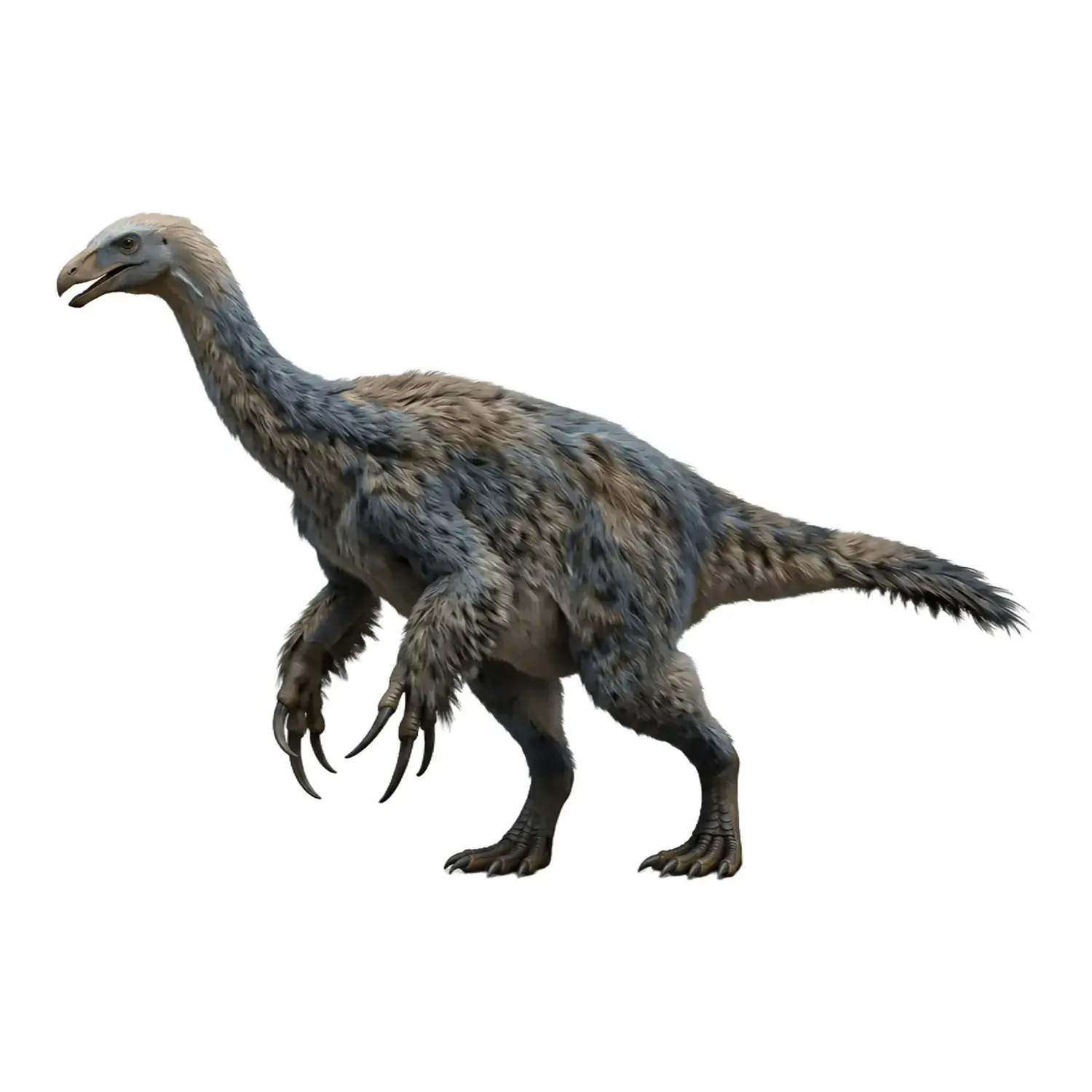
Name Origin
Mysterious Lizard
Classification
Diapsida, Saurischia, Theropoda
Habitat (Discovery Location)
Mongolia
Period
Late Cretaceous
Length
Approximately 5 meters
Weight
Approximately 454 - 907 kilograms
TODAY'S QUIZ
Correct answer = 1 coin
What is one reason why Enigmosaurus and Erlikosaurus are generally classified as separate genera today?
Loading…
You might also like... 

-
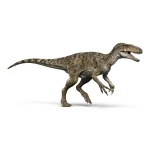
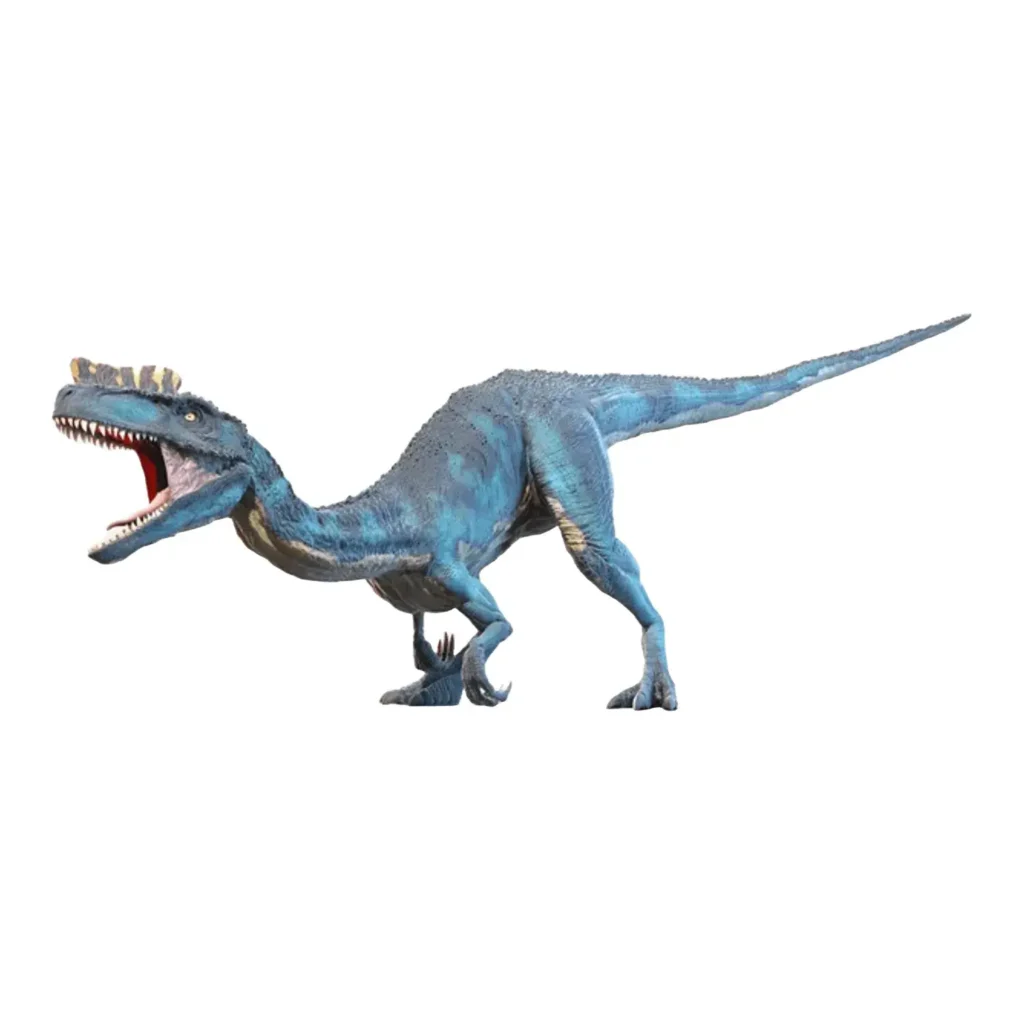
 Proceratosaurus
- Classification
- Theropods
- Characteristics
- Carnivorous
- Era
- Jurassic period
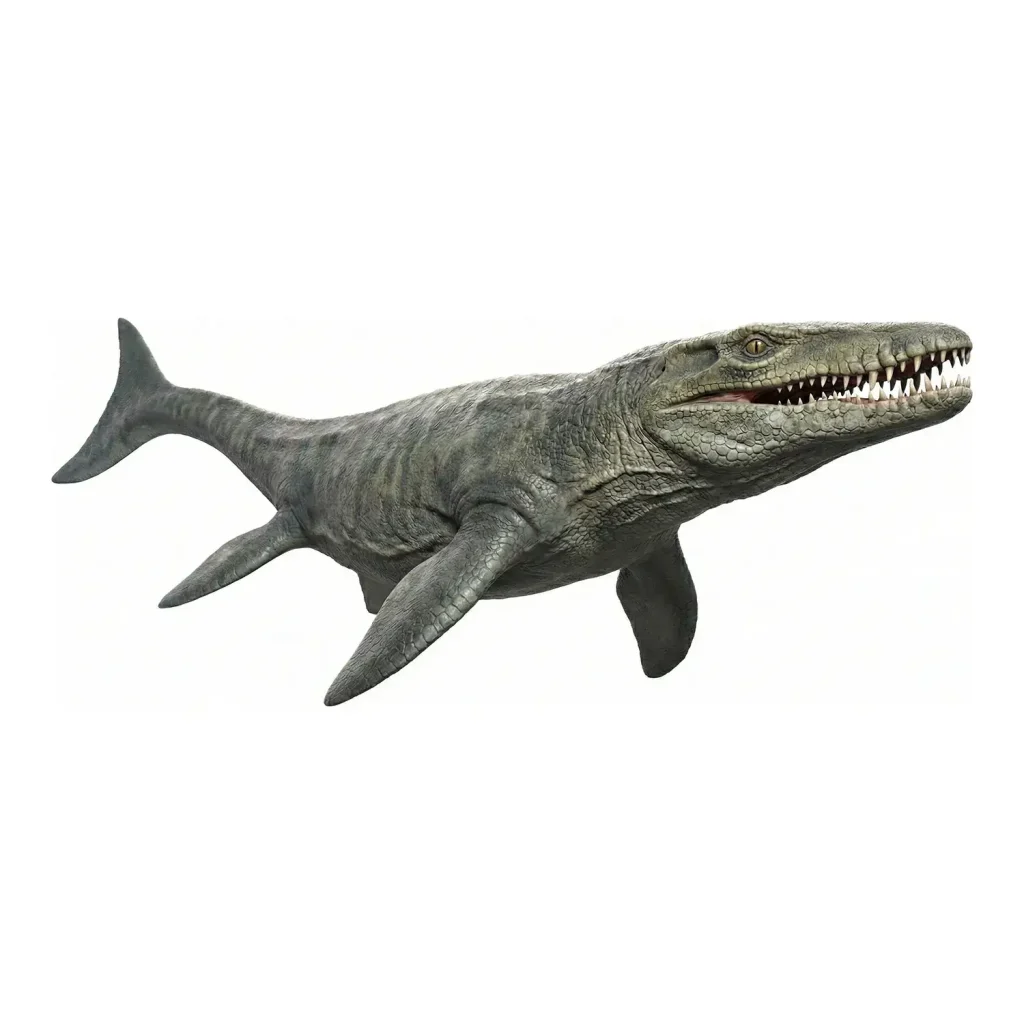
- Selmasaurus
- Classification
- Marine reptiles
- Characteristics
- Carnivorous
- Era
- Cretaceous period
- Jianchangosaurus
- Classification
- Theropods
- Characteristics
- Herbivorous
- Feathered
- Era
- Cretaceous period
- Bambiraptor
- Classification
- Theropods
- Characteristics
- Carnivorous
- Feathered
- Era
- Cretaceous period
-
Sponsored Links
-
Sponsored Links














Description
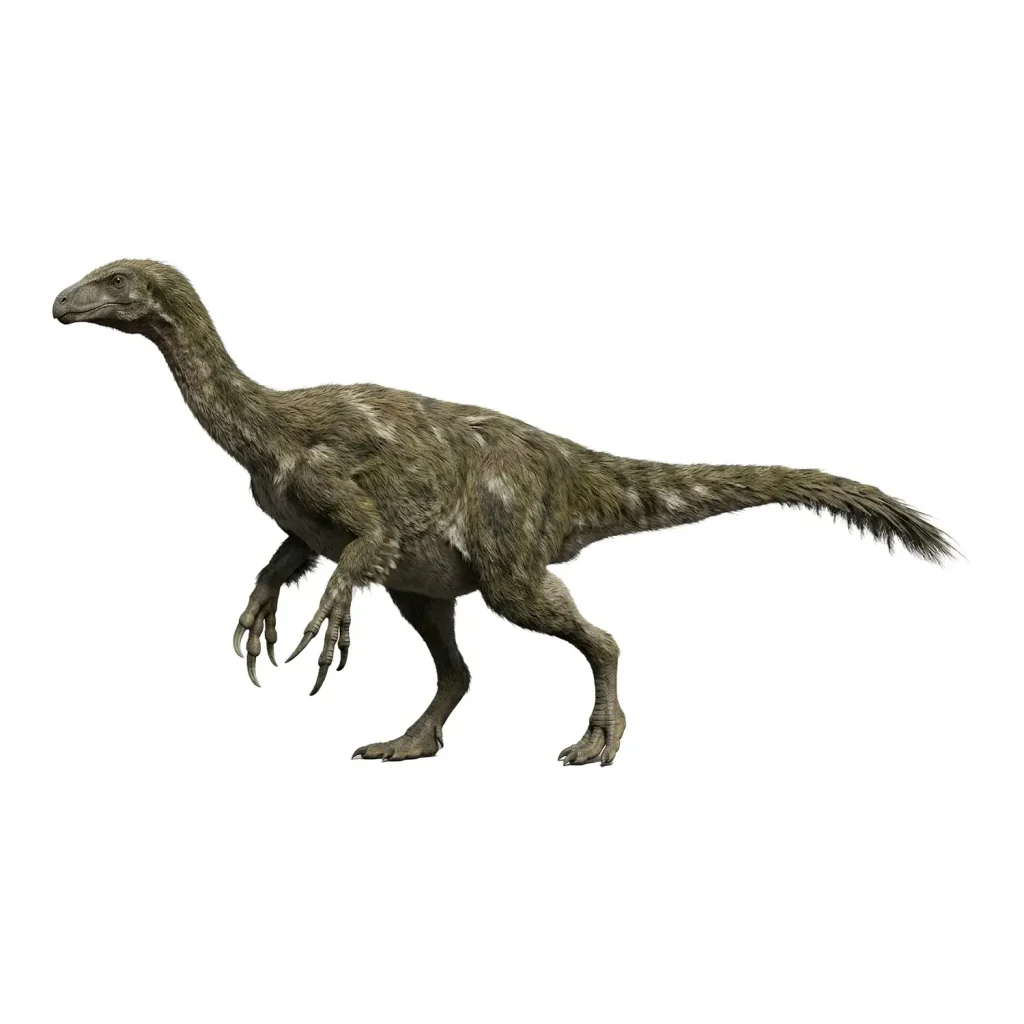
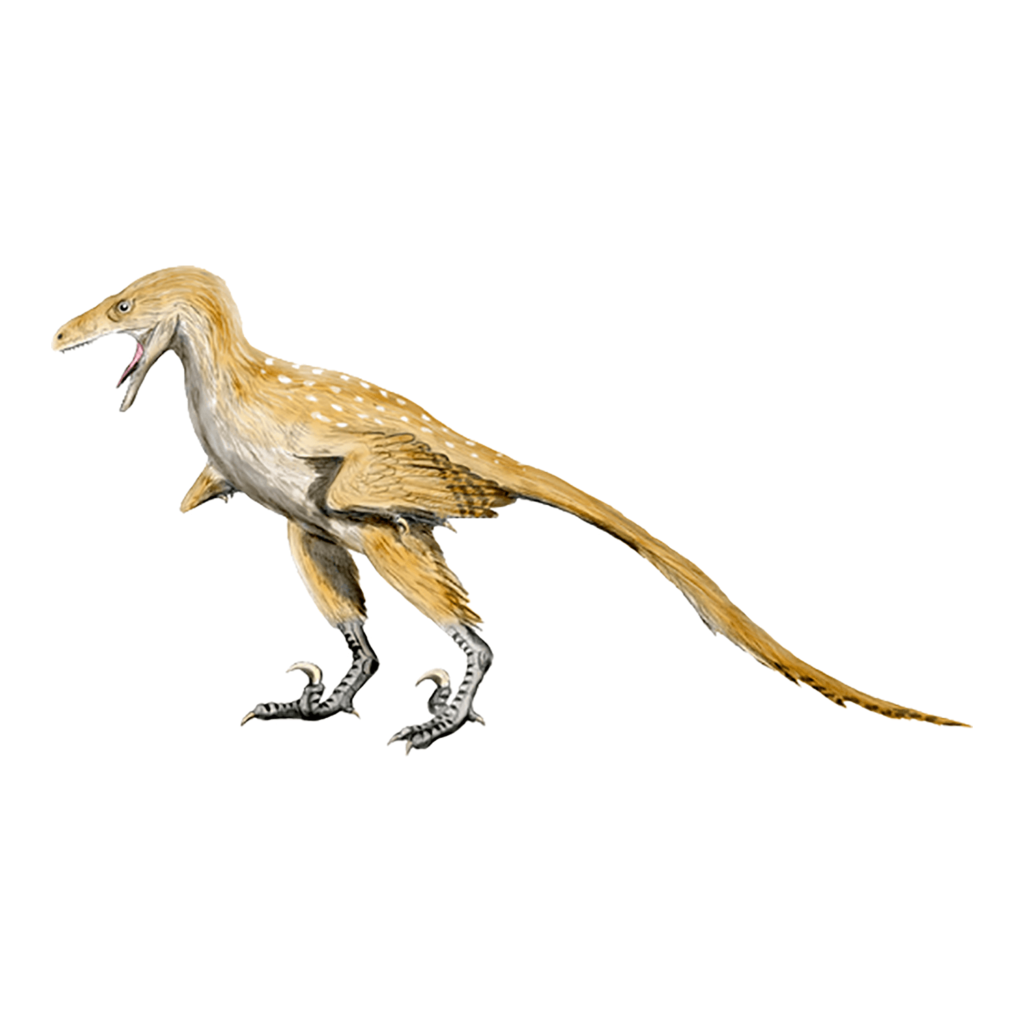
Therizinosaurus was a theropod dinosaur belonging to the therizinosaur superfamily that lived in Mongolia during the Cretaceous.
It is estimated to have been approximately 5 meters long and weighed approximately 454 – 907 kilograms, making it relatively large among therizinosaurs.
One of its most notable features is that the fossils discovered so far consist mainly of pelvic bones.
Very little is known about its skull, forelimbs, hind limbs, or other parts of its skeleton, leaving many mysteries surrounding its overall appearance and detailed lifestyle.
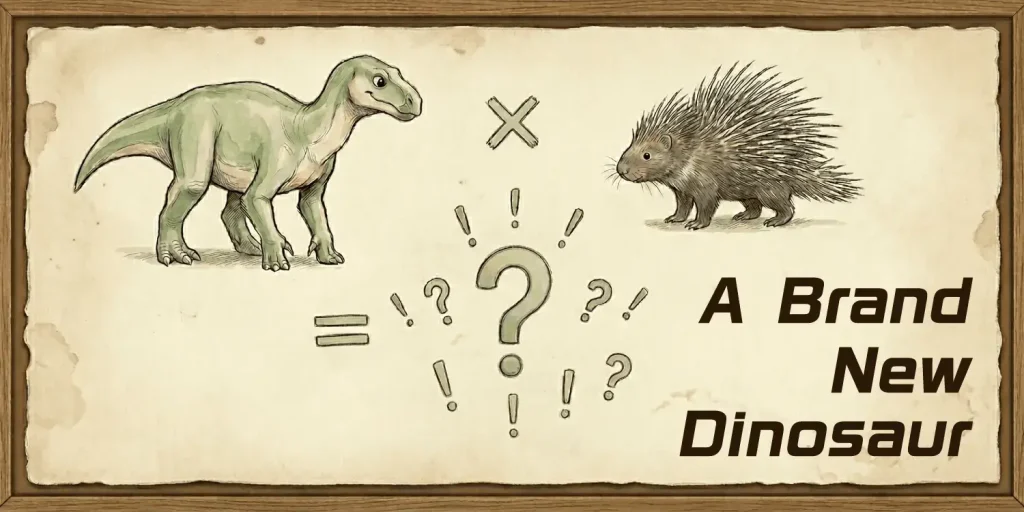
It has also been proposed that it may have been the same dinosaur as Erlikosaurus, which was discovered in the same geological formations in Mongolia.
However, differences in pelvic structure and the geological layers in which the fossils were found have led most researchers to treat them as separate genera today.
The Discovery of Enigmosaurus and the Origin of Its Name, “Mysterious Lizard”
Enigmosaurus fossils were discovered at Khara Khutul in southeastern Mongolia.
The fossils were found in the Bayan Shireh Formation, a geological formation dating to the Cretaceous.
The specimen was first reported in 1979. At the time, little was known about therizinosaurs, and the discovered pelvis was compared with fossils of other theropods.
In 1980, it was introduced as a segnosaur specimen by Rinchen Barsbold and Altangerel Perle.
In 1983, Barsbold and his colleagues published a detailed description and formally named it Enigmosaurus mongoliensis, the type species of the genus.
The genus name “Enigmosaurus” combines Greek words meaning “mystery” and “lizard,” giving it the meaning “mysterious lizard.”
The name refers to the unusual shape of its pelvis.
The species name “mongoliensis” refers to the fact that its fossils were discovered in Mongolia.
What the Pelvis Reveals About Enigmosaurus
The primary specimen studied for Enigmosaurus is the holotype, IGM 100/84.
It consists of sacral vertebrae, partial ilia, both pubic bones, and the left ischium.
In other words, the main material available for research is the pelvic region near the center of the body, while the overall structure of the skull, forelimbs, and hind limbs remains unknown.
Broad Ilia and Backward-Pointing Pubis
The pelvis of Enigmosaurus was relatively large, with a pubis that pointed backward.
The ilia were broad and curved outward, with a large projection at the rear.
The tips of the pubic bones also expanded and curved backward, forming a robust structure.
The ischium extended almost parallel to the pubis and had a long, laterally extending projection along its front edge.
These pelvic characteristics are important for distinguishing Enigmosaurus from other therizinosaurs.
In 2010, paleontologist Lindsay Zanno reexamined its pelvic features and pointed out that structures such as the shape of the pubic tips and projections were distinctive characteristics of this dinosaur.
Many Unknowns About Its Overall Appearance and Weight
Femur, rib, humerus, and forelimb bones have also been cataloged under the same specimen number.
However, it cannot be confirmed with certainty that all of these bones belong to Enigmosaurus.
In particular, the femur was not discovered in association with the holotype pelvis, so caution is needed before assigning it to Enigmosaurus.
As a result, there is limited information available for reconstructing its overall appearance in detail.
Its length is estimated at approximately 5 meters, while its weight is estimated to be approximately 454 – 907 kilograms.
It appears to have been relatively large among therizinosaurs discovered in Mongolia.
Was It the Same Dinosaur as Erlikosaurus?
When considering the classification of Enigmosaurus, one dinosaur often compared with it is Erlikosaurus, which was also discovered in the Bayan Shireh Formation.
Erlikosaurus is a therizinosaur known from relatively well-preserved fossils, including a skull, but no pelvis has been discovered.
In contrast, Enigmosaurus is known only from fossils consisting mainly of its pelvis.
Because there are few skeletal parts that can be directly compared between the two, the possibility that they belonged to the same dinosaur has been suggested.
If they were proven to belong to the same genus, the earlier name Erlikosaurus would take priority as the valid genus name, and Enigmosaurus would be treated as a junior synonym.
Differences in Pelvic Structure and Geological Layers
However, the pelvis of Enigmosaurus has features that differ from that of Segnosaurus, which is considered closely related to Erlikosaurus.
Additionally, Enigmosaurus fossils were recovered from the lower part of the Bayan Shireh Formation, whereas Erlikosaurus was discovered in the upper part.
These differences in skeletal structure and the geological layers in which the fossils were found are important evidence when considering whether the two were separate dinosaurs.
For this reason, many researchers treat Enigmosaurus and Erlikosaurus as separate genera.
However, because the available fossils are limited, future research may change our understanding of their relationship.
Classification and Evolution Within Therizinosauria
When Enigmosaurus was first discovered, it was once classified into its own group, Enigmosauridae, based on its unusual pelvic structure.
As research progressed, its relationship with therizinosaurs became clearer, and it is now considered a dinosaur belonging to Therizinosauroidea.
In a taxonomic study conducted by Zanno in 2010, Enigmosaurus was placed relatively close to the base of Therizinosauroidea.
A 2019 phylogenetic analysis also placed it in a lineage closely related to Therizinosauridae, Alxasaurus, and Kitanaiurus.
However, because fossils of the skull and limbs are almost entirely unknown, many aspects of its classification and relationships with other dinosaurs remain uncertain.
If new fossils revealing the characteristics of Enigmosaurus are discovered in the future, they may help us better understand its evolutionary position.