
Nanshiungosaurus
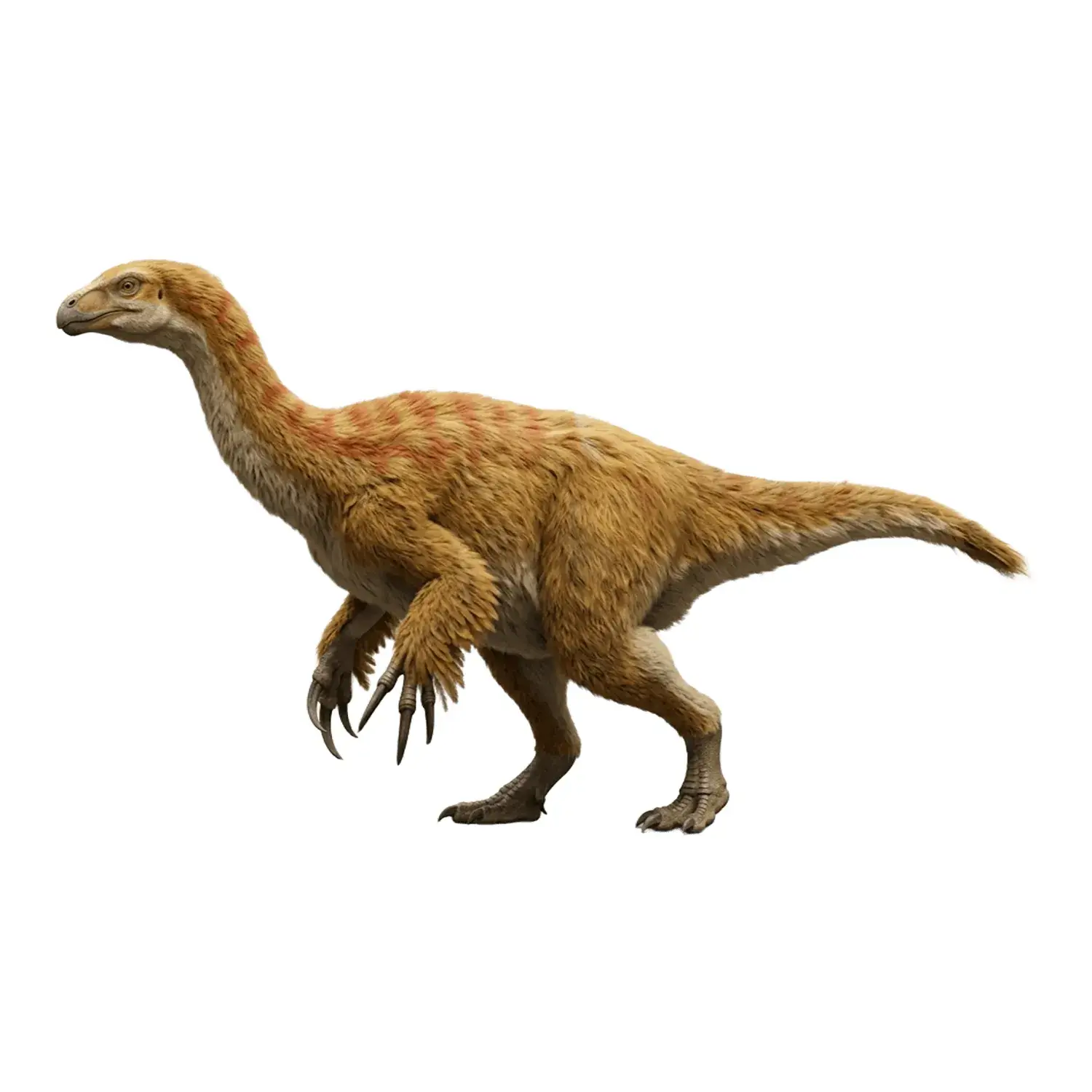
Name Origin
Nanxiong Lizard
Classification
Diapsida, Saurischia, Theropoda
Habitat (Discovery Location)
China
Period
Late Cretaceous
Length
Approximately 5 - 6 meters
Weight
Approximately 600 kilograms
Diet
Herbivore (Plant-eater)
TODAY'S QUIZ
Correct answer = 1 coin
What evidence led researchers to classify Nanshiungosaurus as a therizinosaur rather than the small sauropod it was initially thought to be?
Loading…
You might also like... 

-
 Staurikosaurus
- Classification
- Theropods
- Characteristics
- Carnivorous
- Era
- Triassic period
- Barosaurus
- Classification
- Sauropods
- Characteristics
- Herbivorous
- Era
- Jurassic period
- Coelophysis
- Classification
- Theropods
- Characteristics
- Carnivorous
- Era
- Triassic period
- Jurassic period
- Saurornithoides
- Classification
- Theropods
- Characteristics
- Carnivorous
- Era
- Cretaceous period
-
Sponsored Links
-
Sponsored Links










Description
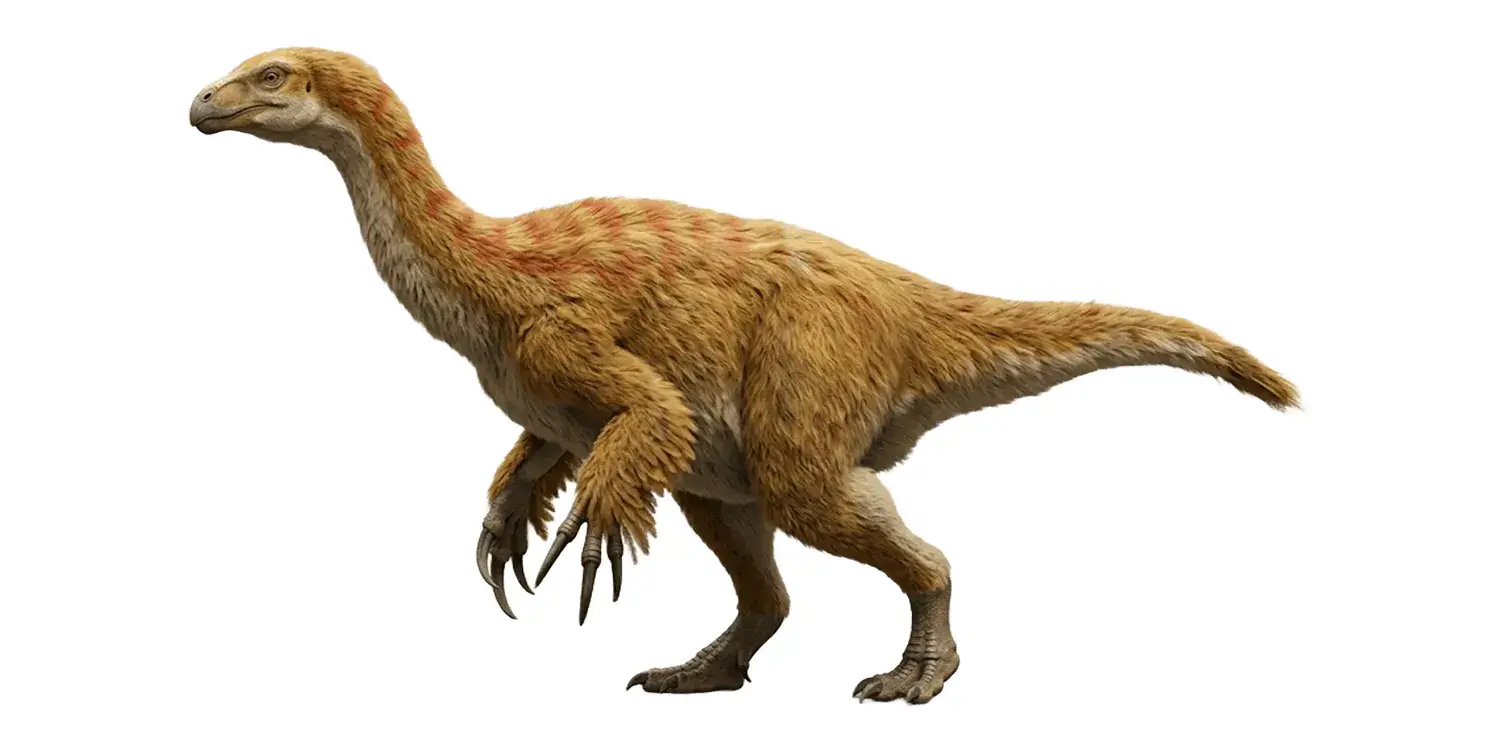
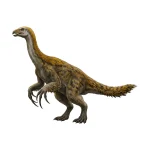
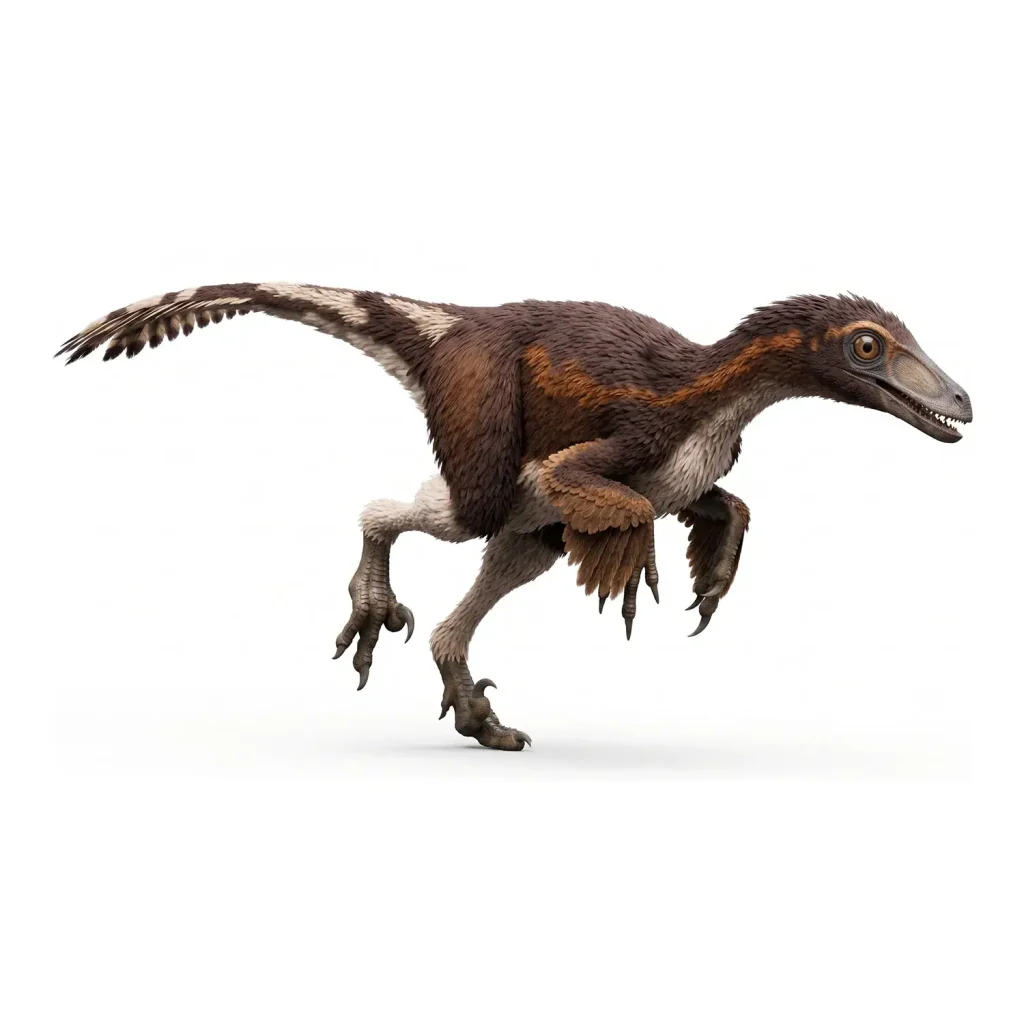
Nanshiungosaurus was a theropod dinosaur belonging to the Therizinosauria that lived in China during the Cretaceous.
It is estimated to have been approximately 5 – 6 meters long, and is thought to have been a herbivorous dinosaur with a thick torso and a robust pelvis.
The fossils discovered so far do not represent a complete skeleton, including the skull and limbs, but consist mainly of vertebrae from the neck and torso, along with the pelvis.
Based on its distinctive skeletal features, it was initially thought to be a small sauropod with a relatively short neck.
However, further research revealed features shared with therizinosaurs, and it is now classified within Therizinosauroidea, a group of theropod dinosaurs.
Nanshiungosaurus illustrates how difficult it can be to determine a dinosaur’s classification from limited fossil remains.
Fossils Discovered in Nanxiong and the Origin of Its Name
Nanshiungosaurus fossils were discovered around Nanxiong in Guangdong Province, southern China.
In 1979, the type species, Nanshiungosaurus brevispinus, was formally described by Chinese paleontologist Dong Zhiming.
The scientific name “Nanshiungosaurus” combines Nanxiong, the region where the fossils were discovered, with the Greek word “sauros,” meaning “lizard.”
In other words, it means “Nanxiong lizard.”
The species name “brevispinus” comes from the Latin words “brevis,” meaning “short,” and “spina,” meaning “spine” or “thorn.”
It refers to the short projections found on its vertebrae.
A Distinctive Skeleton That Resembled a Sauropod
One of the most interesting aspects of Nanshiungosaurus is that it was initially thought to be a dinosaur with a skeleton resembling that of a sauropod.
The fossils first discovered included 11 cervical vertebrae, 10 dorsal vertebrae, sacral vertebrae, and the pelvis.
However, no skull or limb fossils have been found.
Particular attention was drawn to its relatively short neck compared with other sauropods and its exceptionally robust pelvis.
Based on these features, it was initially thought to be a small sauropod with characteristics unlike those of typical sauropods.
Research Revealed Its Classification as a Therizinosaur
As further studies were conducted, features shared with therizinosaurs were identified in the pelvis, vertebrae, and other parts of the Nanshiungosaurus skeleton.
As a result, it is now classified within Therizinosauroidea, a group of theropod dinosaurs.
Dinosaur classification can change significantly depending on how much fossil material is available for comparison, such as skulls and limb bones.
Nanshiungosaurus is one example of how difficult it can be to determine a dinosaur’s identity from limited skeletal remains.
A Robust Body Estimated to Be 5 – 6 Meters Long
Nanshiungosaurus is estimated to have been approximately 5 – 6 meters long.
Although weight estimates vary, the type species is estimated to have weighed approximately 600 kilograms.
It is thought to have had a body shape typical of therizinosaurs, with a thick torso and robust hindlimbs.
Like related species with long necks and large abdomens, it may have been adapted to a herbivorous lifestyle.
However, fossils of its skull, teeth, and forelimbs have not been discovered.
As a result, its specific diet and forelimb structure remain largely unknown.
Questions Surrounding the Classification of Nanshiungosaurus bohlini
Another species, Nanshiungosaurus bohlini, has also been described as belonging to the genus Nanshiungosaurus.
Bohlin was discovered in northwestern China in 1992 and formally described in 1997.
Its name was given in honor of Swedish paleontologist Birger Bohlin.
However, while the type species, brevispinus, was discovered in Late Cretaceous strata, bohlini was found in Early Cretaceous strata.
Furthermore, the fossils of the two species share few comparable features, making the evidence for classifying them within the same genus insufficient.
For this reason, bohlini is now considered likely to represent a dinosaur distinct from Nanshiungosaurus.