
Camptosaurus
Name Origin
Curved Lizard
Family
Camptosauridae
Classification
Diapsida, Ornithischia, Ornithopoda
Habitat (Discovery Location)
United States, United Kingdom
Period
Approximately 154 - 126 million years ago (Late Jurassic to Early Cretaceous)
Length
Approximately 5 - 7 meters
Weight
Approximately 1 ton
Diet
Herbivore (Plant-eater)
TODAY'S QUIZ
Correct answer = 1 coin
How many toes did Camptosaurus have on each hind foot?
Loading…
You might also like... 

-
 Kryptops
- Classification
- Theropods
- Characteristics
- Carnivorous
- Era
- Cretaceous period
- Maiasaura
- Classification
- Ornithopoda
- Characteristics
- Herbivorous
- Era
- Cretaceous period
- Stygimoloch
- Classification
- Marginocephalia
- Characteristics
- Herbivorous
- Era
- Cretaceous period
- Dryptosaurus
- Classification
- Theropods
- Characteristics
- Carnivorous
- Era
- Cretaceous period
-
Sponsored Links
-
Sponsored Links














Description
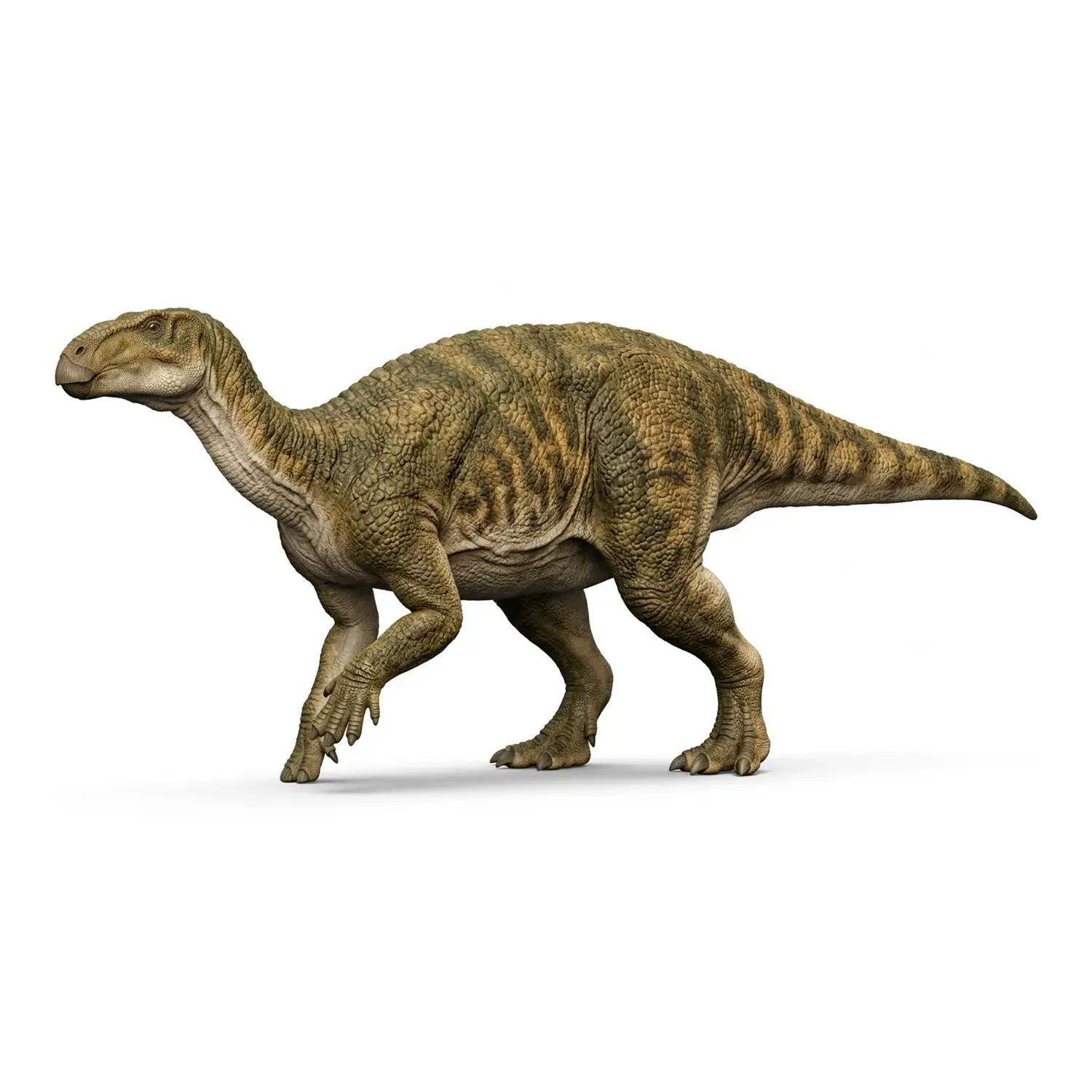
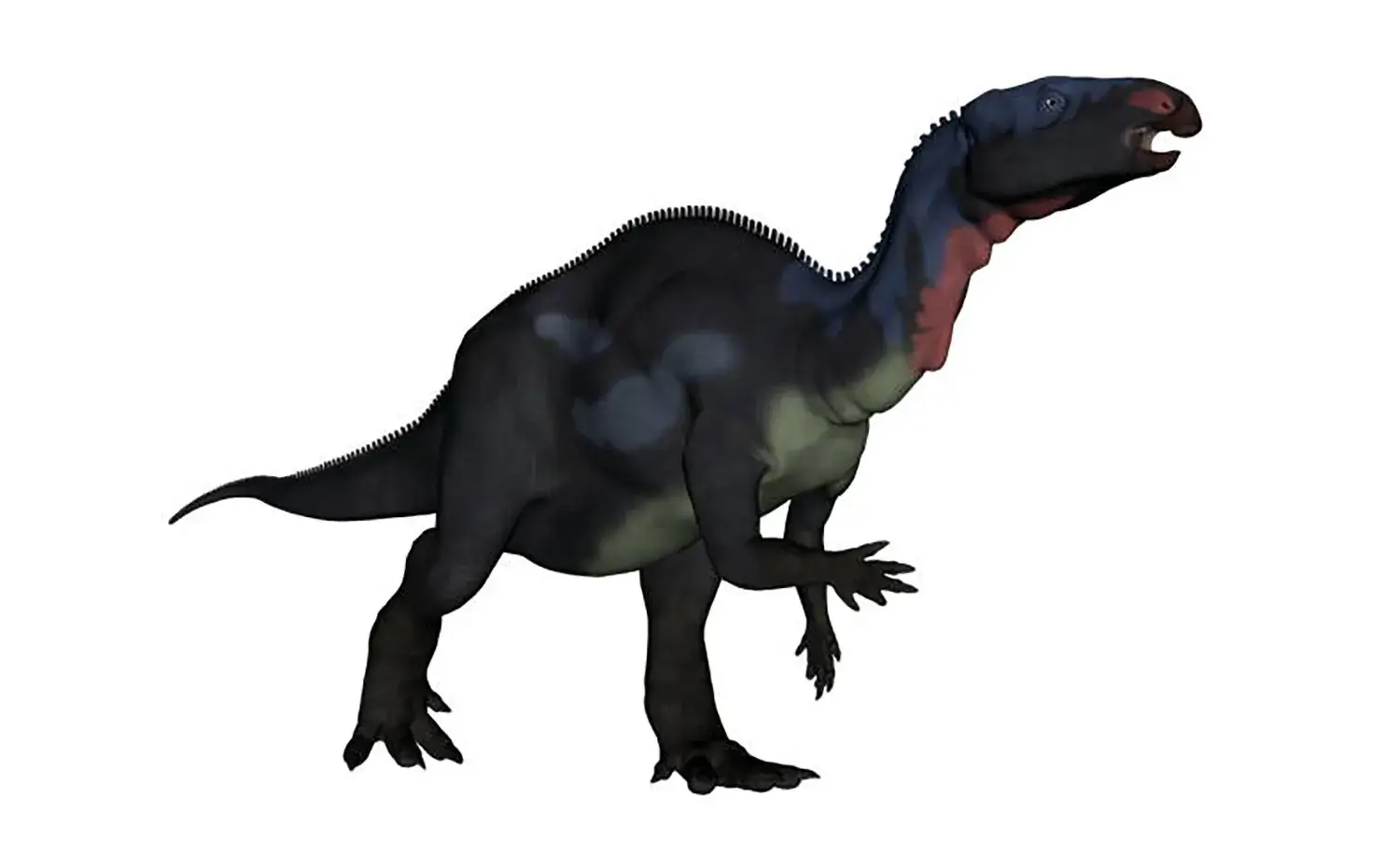
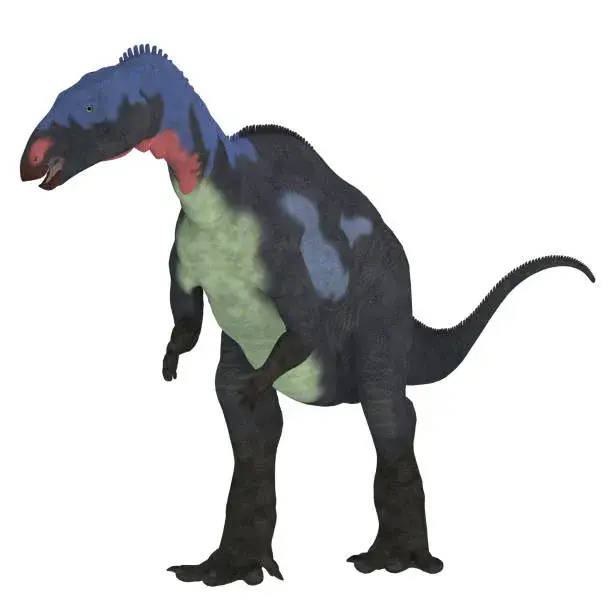
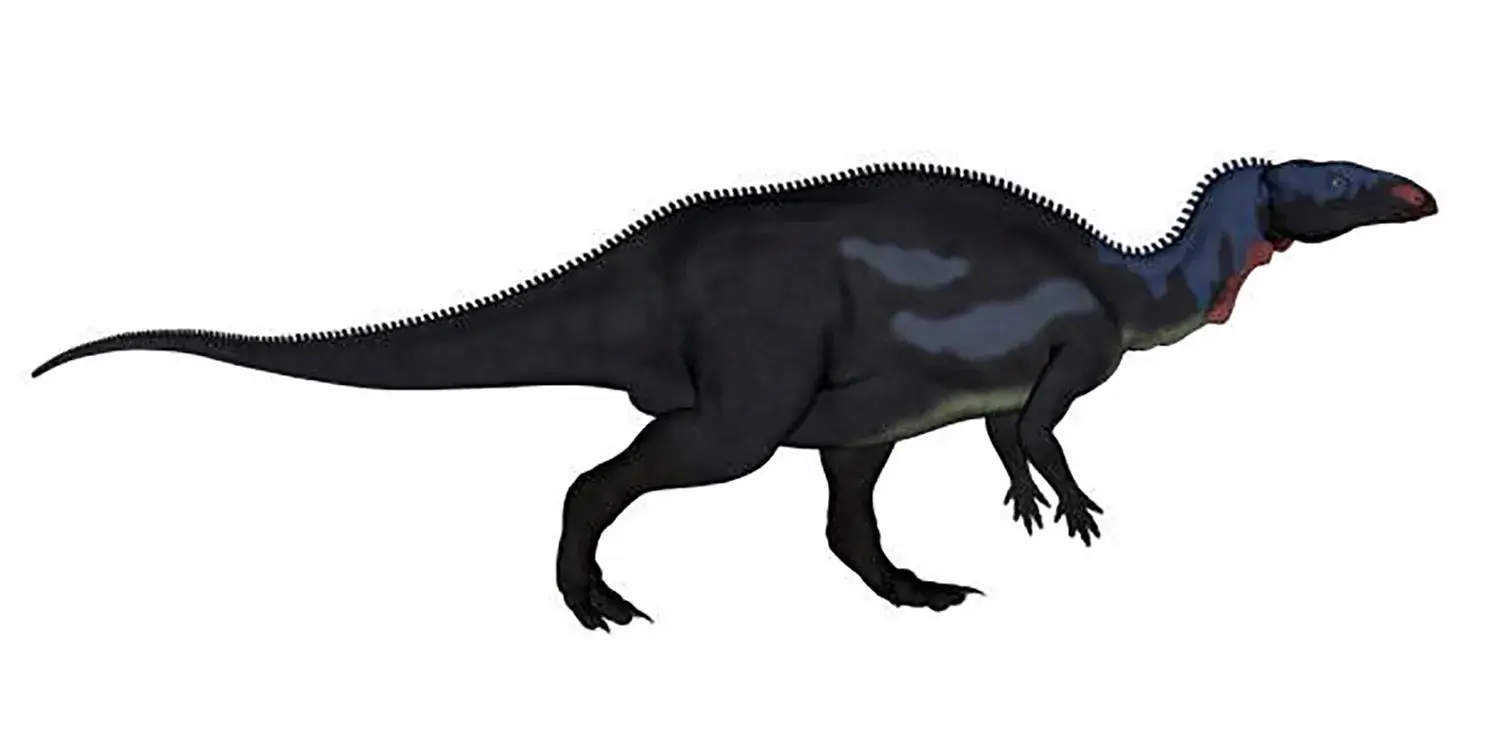
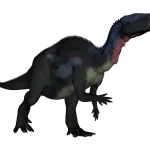
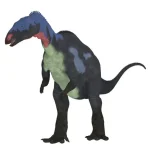
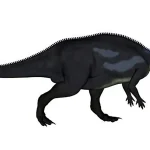
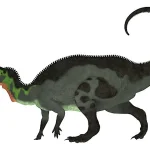
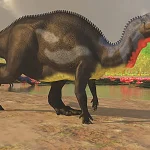
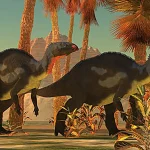
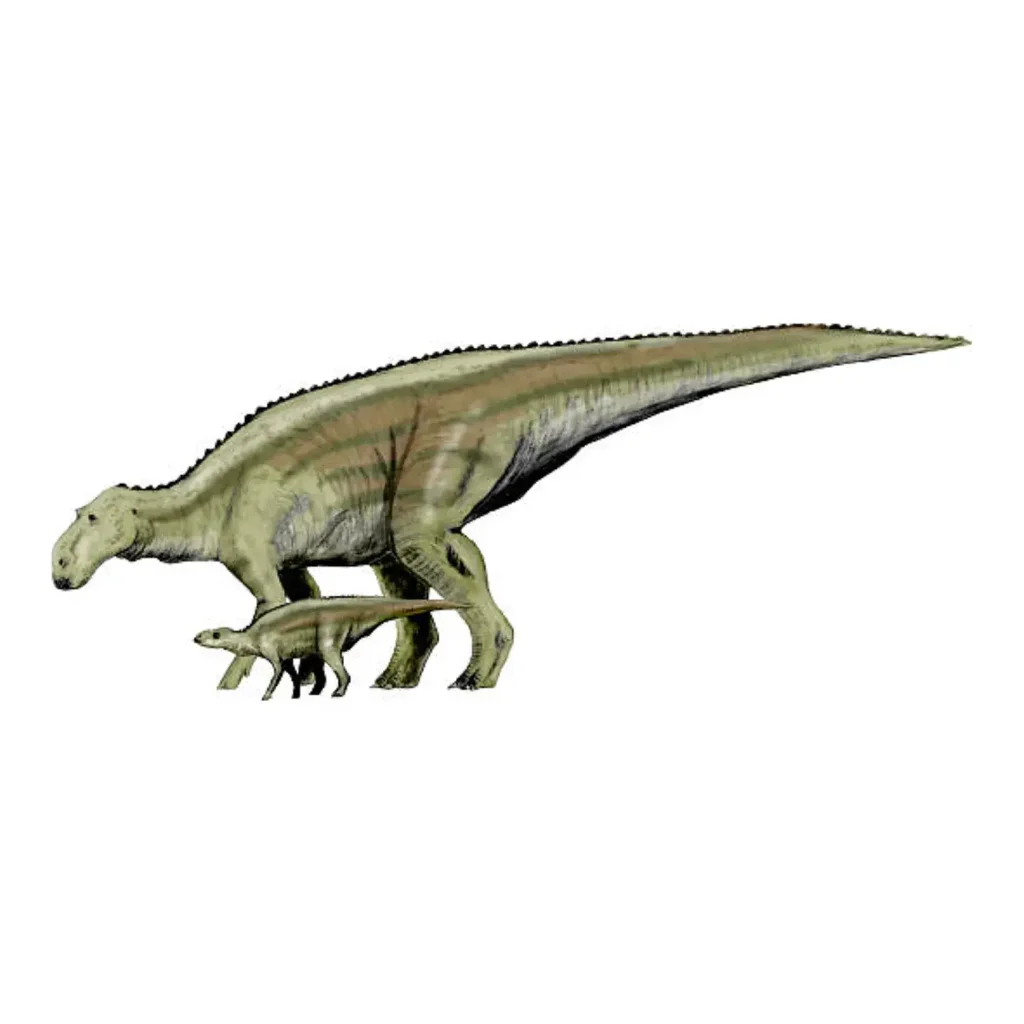
Camptosaurus was a herbivorous ornithopod that lived in North America and Europe from the Late Jurassic to the Early Cretaceous.
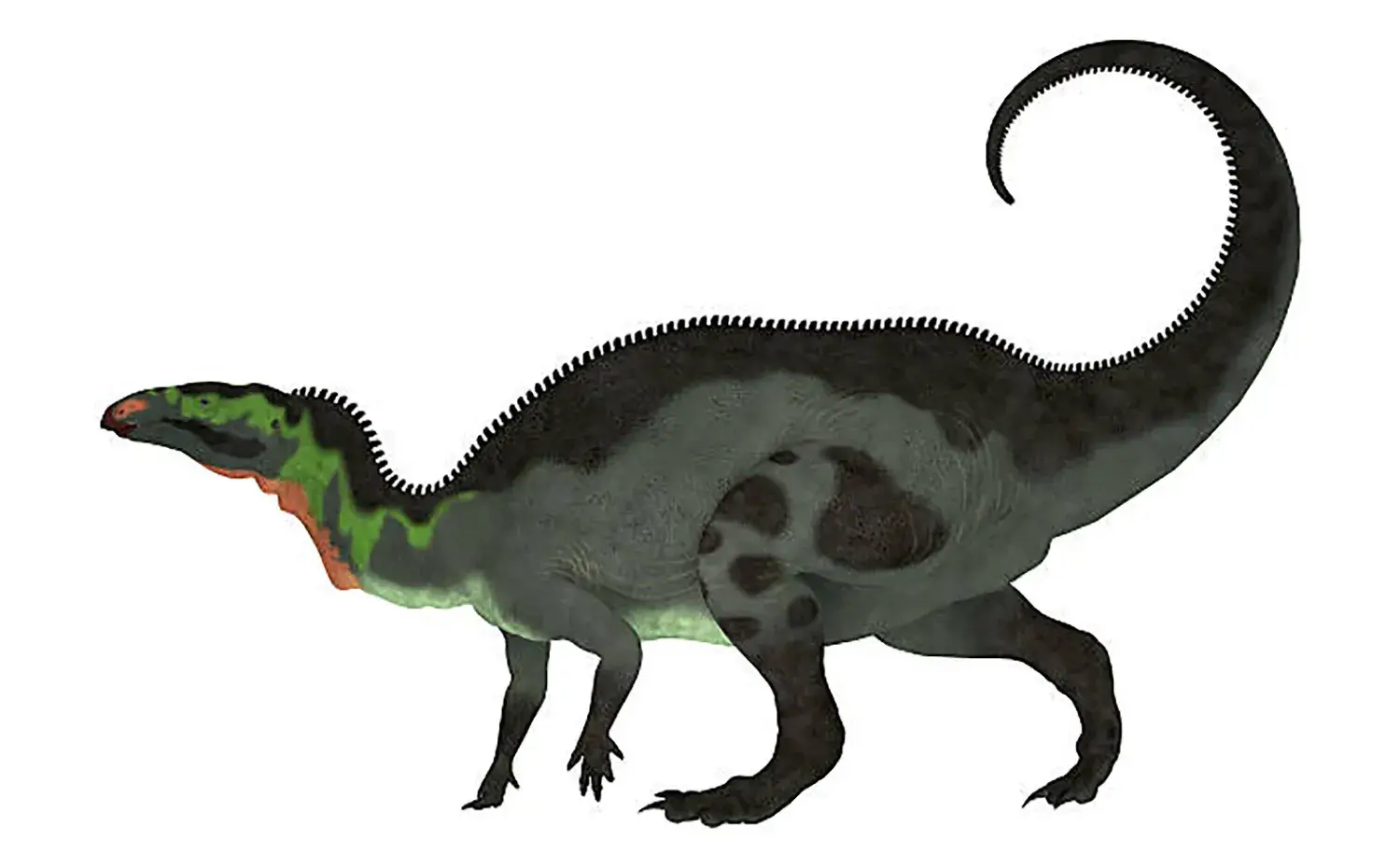
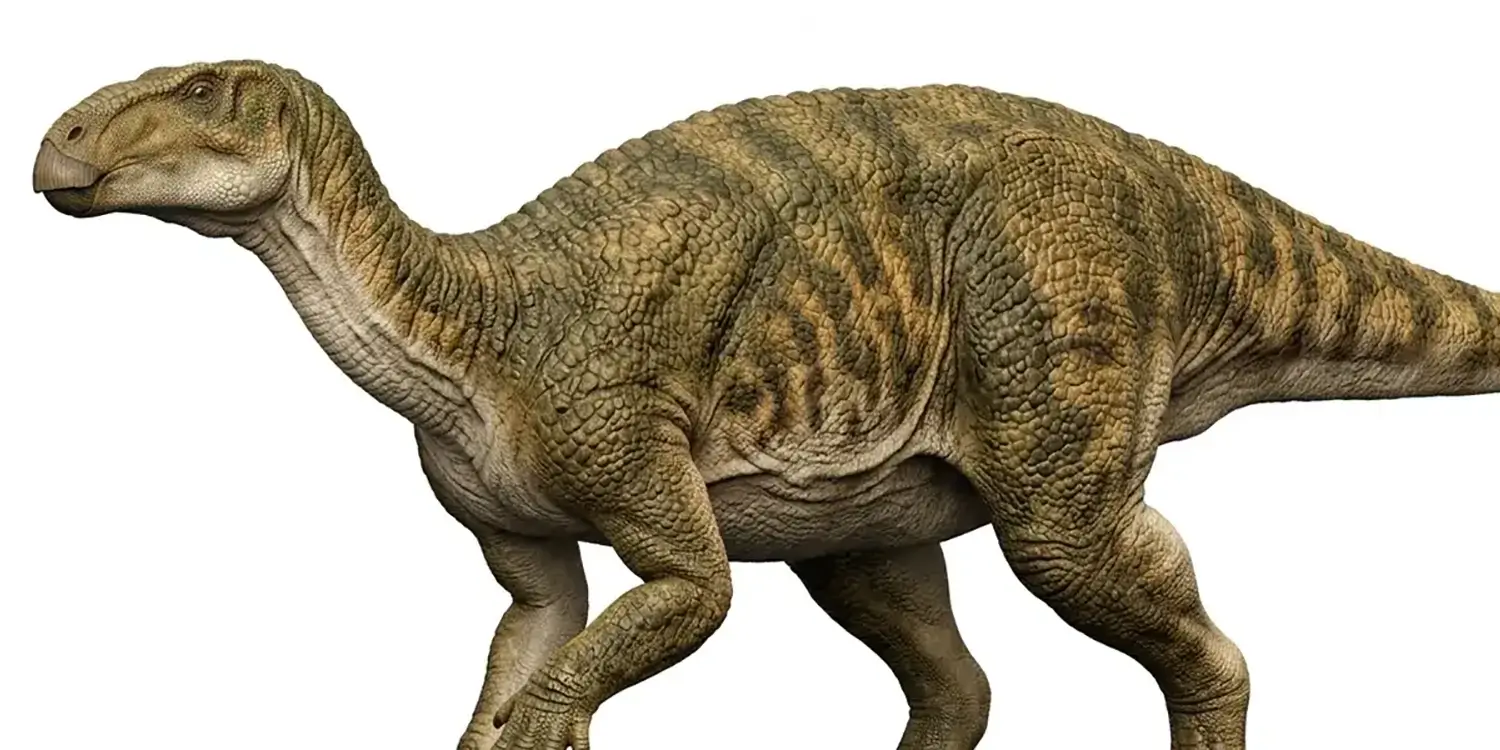
It is estimated to have been approximately 5 – 7 meters long, with a body shape similar to that of Iguanodon.
Although they shared similarities in their heads and overall body shape, they differed in several features, including the number of toes on their hind limbs, the structure of their forelimbs, and the shape of their thumb claws.
Camptosaurus is also an important dinosaur for understanding the evolutionary transition from relatively primitive ornithopods such as Hypsilophodon to more advanced ornithopods, including Iguanodon and the hadrosaurids.
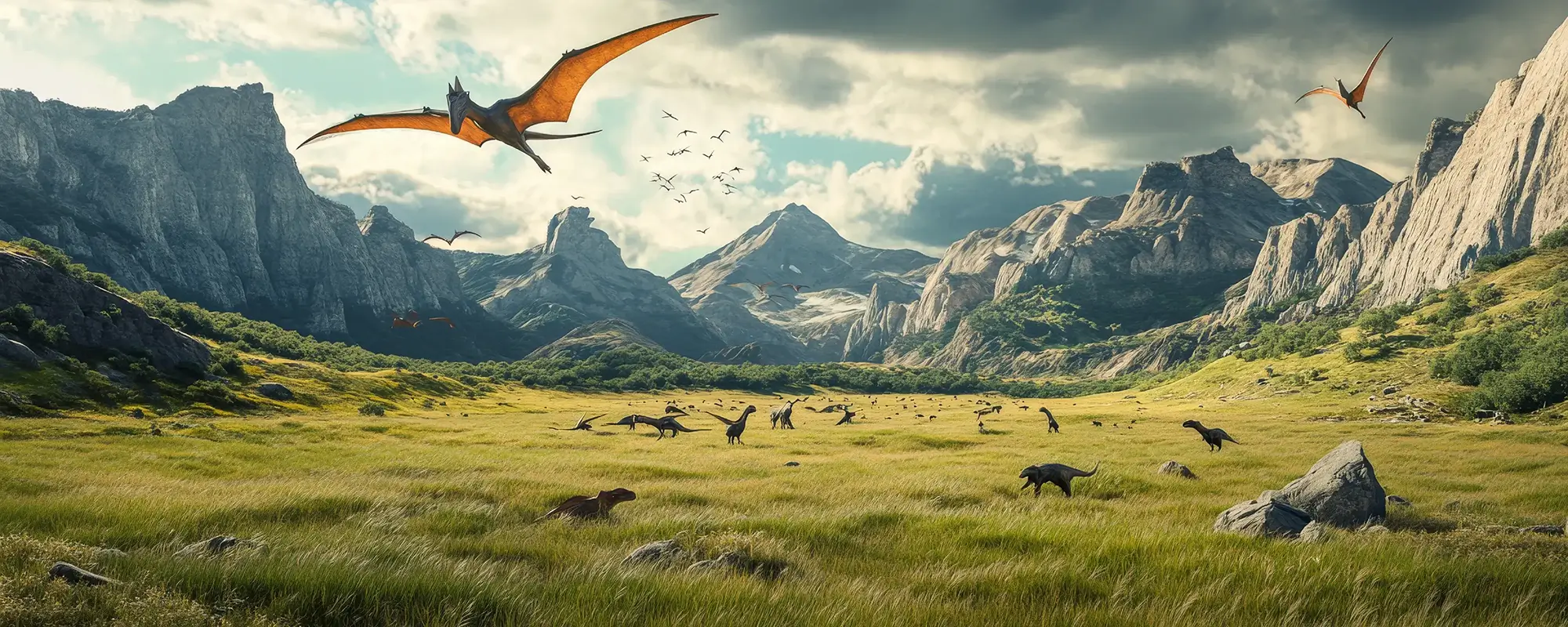
It is thought to have lived in an environment inhabited by large carnivorous dinosaurs, despite lacking powerful weapons or sturdy armor.
The Discovery of Camptosaurus and the Origin of Its Name, “Curved Lizard”
The first Camptosaurus fossils were discovered in 1879.
In September of that year, American fossil collector William Harlow Reed discovered dinosaur fossils believed to belong to a small ornithopod in Albany County, Wyoming.
Later, paleontologist Othniel Charles Marsh also discovered fossils of the sacrum and vertebrae.
Marsh initially named the dinosaur “Camptonotus,” but because that name had already been used for an insect, it was changed to “Camptosaurus” in 1885.
The genus name comes from Greek and means “curved lizard.”
It is thought to refer to the curved appearance of the fossil sacrum.
Fossils Discovered in North America and Europe
Camptosaurus fossils have been discovered across a wide area of North America, including Wyoming, Utah, Colorado, and Oklahoma in the United States.
Related fossils have also been found in Europe.
Some specimens reported from places such as the United Kingdom were once considered members of the Iguanodon group, but later studies reclassified them as Camptosaurus.
Based on this research history, some fossils previously attributed to Camptosaurus may actually belong to dinosaurs classified in other genera.
Future research may provide new insights into its species diversity and geographic distribution.
An Iguanodon-Like Build and a Mouth Adapted for Herbivory
Camptosaurus is estimated to have been approximately 5 – 7 meters long.
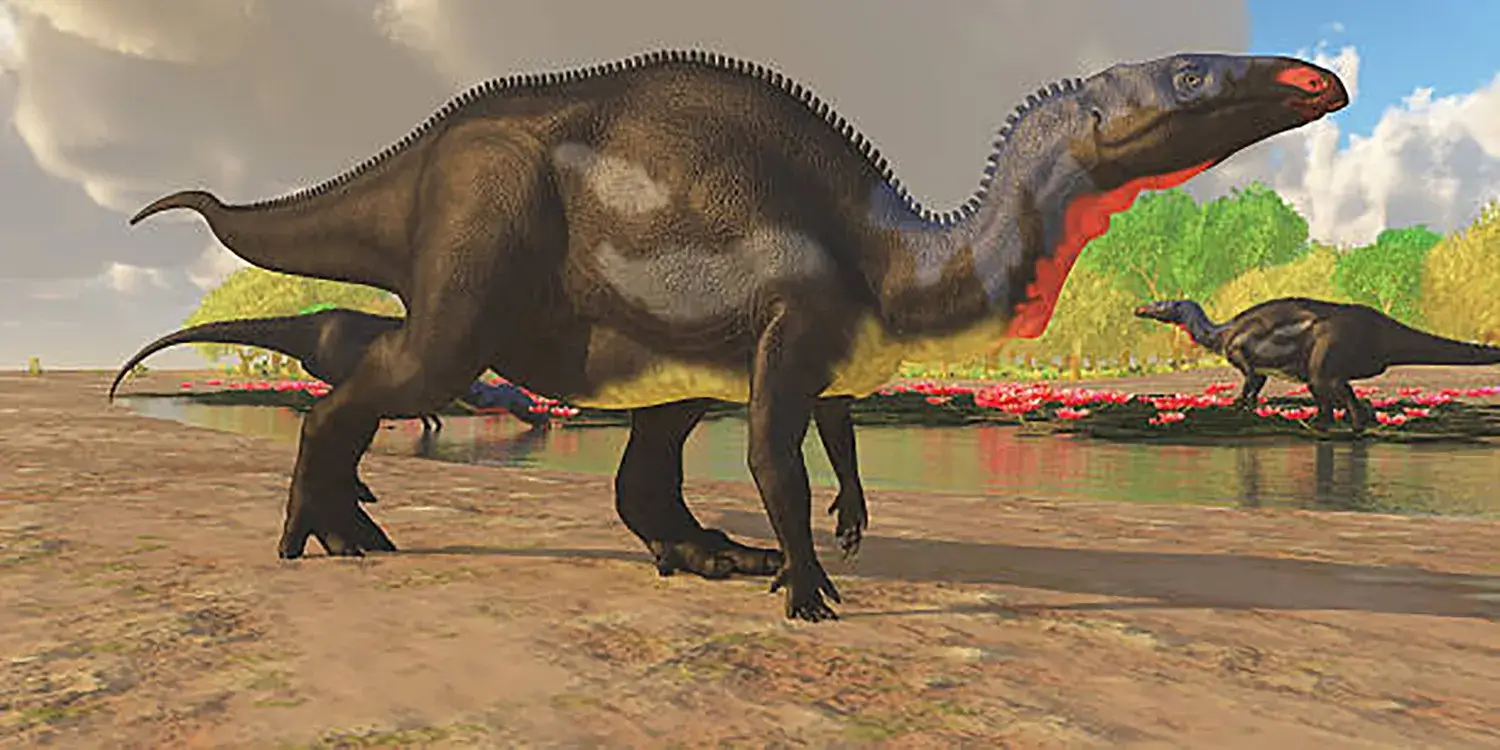
Its body resembled that of Iguanodon, but it was somewhat smaller and had a relatively stocky build with well-developed hind limbs.
It had a relatively stocky build
It is thought to have had a large digestive system to process large quantities of plant matter, suggesting that its torso was broad and thick.
Its head featured a long snout and a hard beak for biting off vegetation.
Its mouth contained leaf-shaped teeth with small ridges along their edges.
These teeth are thought to have been well suited for biting and grinding plants such as leaves and stems.
Because plants are more difficult to digest than meat, efficiently breaking down plant material was important for herbivorous dinosaurs.
Camptosaurus teeth helped crush vegetation, and these dental structures, along with its large digestive system, are thought to have supported a primarily plant-based diet.
Five Fingers on the Forelimbs and Four Toes on the Hind Limbs
Camptosaurus had a different number of digits on its forelimbs and hind limbs.
It had five fingers on its forelimbs and four toes on its hind limbs.
Having four toes on the hind limbs is one of the easiest ways to distinguish it from Iguanodon.
Its forelimbs were shorter than its hind limbs, and its fingers had small claws.
While Iguanodon had a large, spike-like thumb claw, the thumb claw of Camptosaurus was not as well developed.
For this reason, it is considered unlikely that it was used as a powerful weapon against carnivorous dinosaurs.
Camptosaurus Used Both Bipedal and Quadrupedal Locomotion
Camptosaurus had a body with short forelimbs compared to its sturdy hind limbs.
This suggests that it primarily used its two hind limbs for locomotion.
Its well-developed hind limbs may also have helped it escape from carnivorous dinosaurs.
However, Camptosaurus does not appear to have relied exclusively on bipedal locomotion.
Its forelimbs were strong enough to support its body, so it may have adopted a quadrupedal stance, placing its forelimbs on the ground when resting or feeding on plants growing close to the ground.
Footprint fossils also suggest that it may have moved on all four limbs.
In other words, Camptosaurus is thought to have switched between bipedal and quadrupedal locomotion depending on the situation.
It used both bipedal and quadrupedal locomotion
Well-Developed Hind Limbs for Escaping Large Carnivorous Dinosaurs
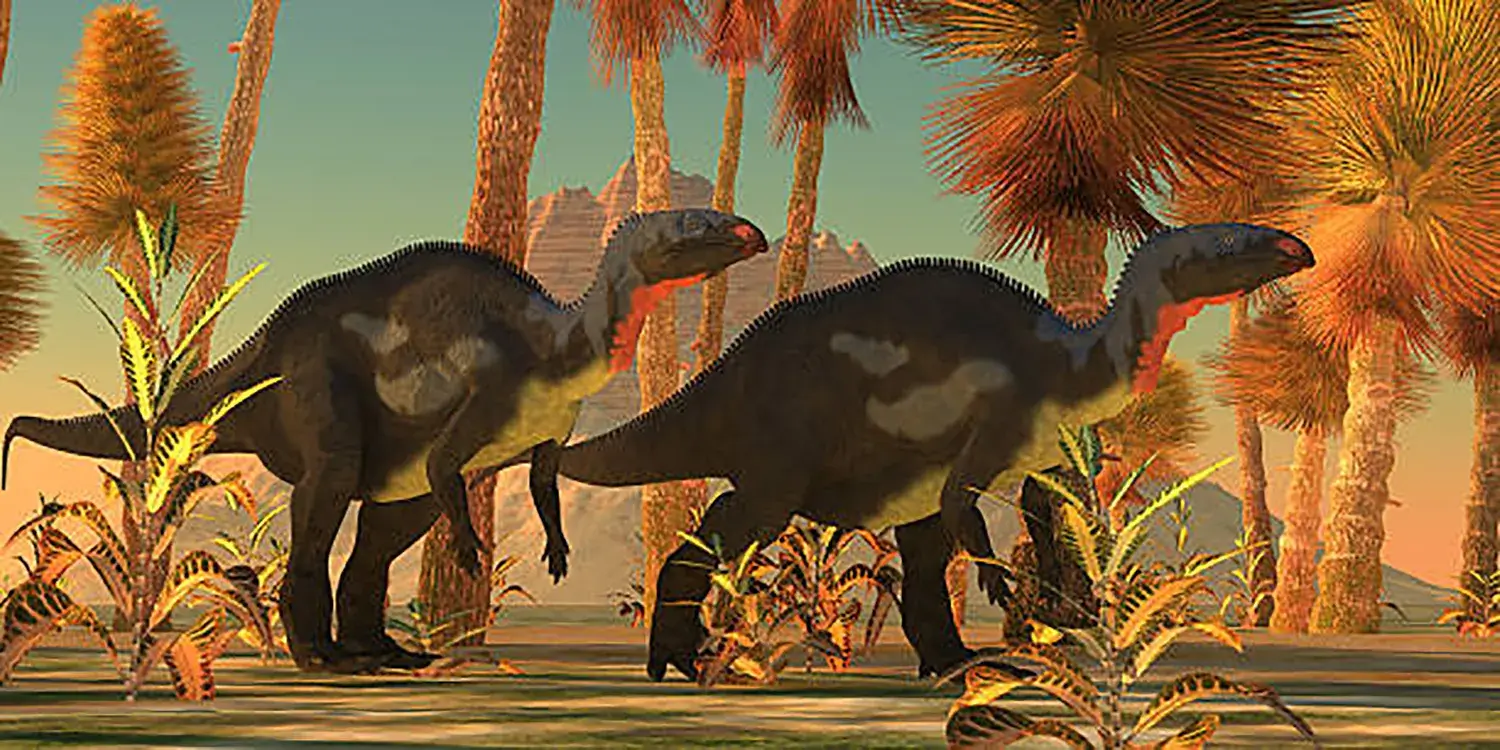
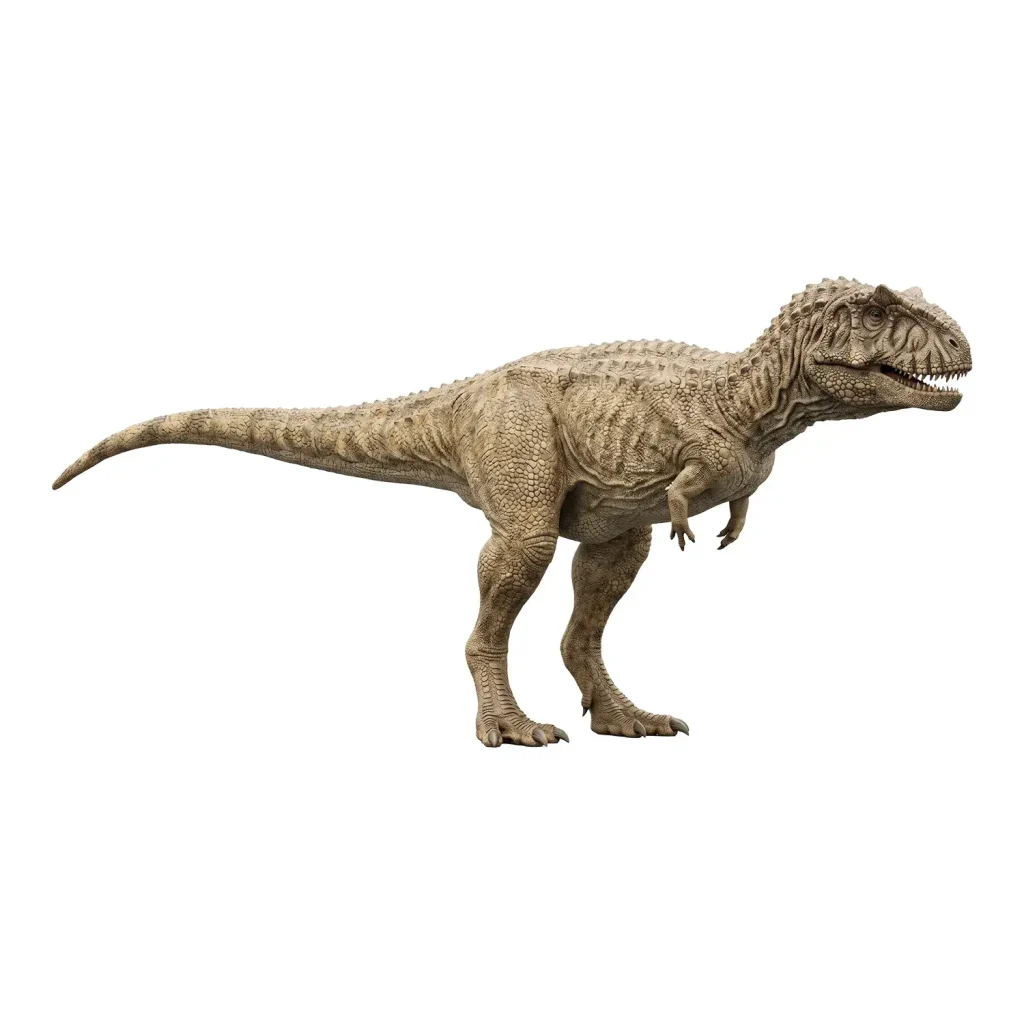
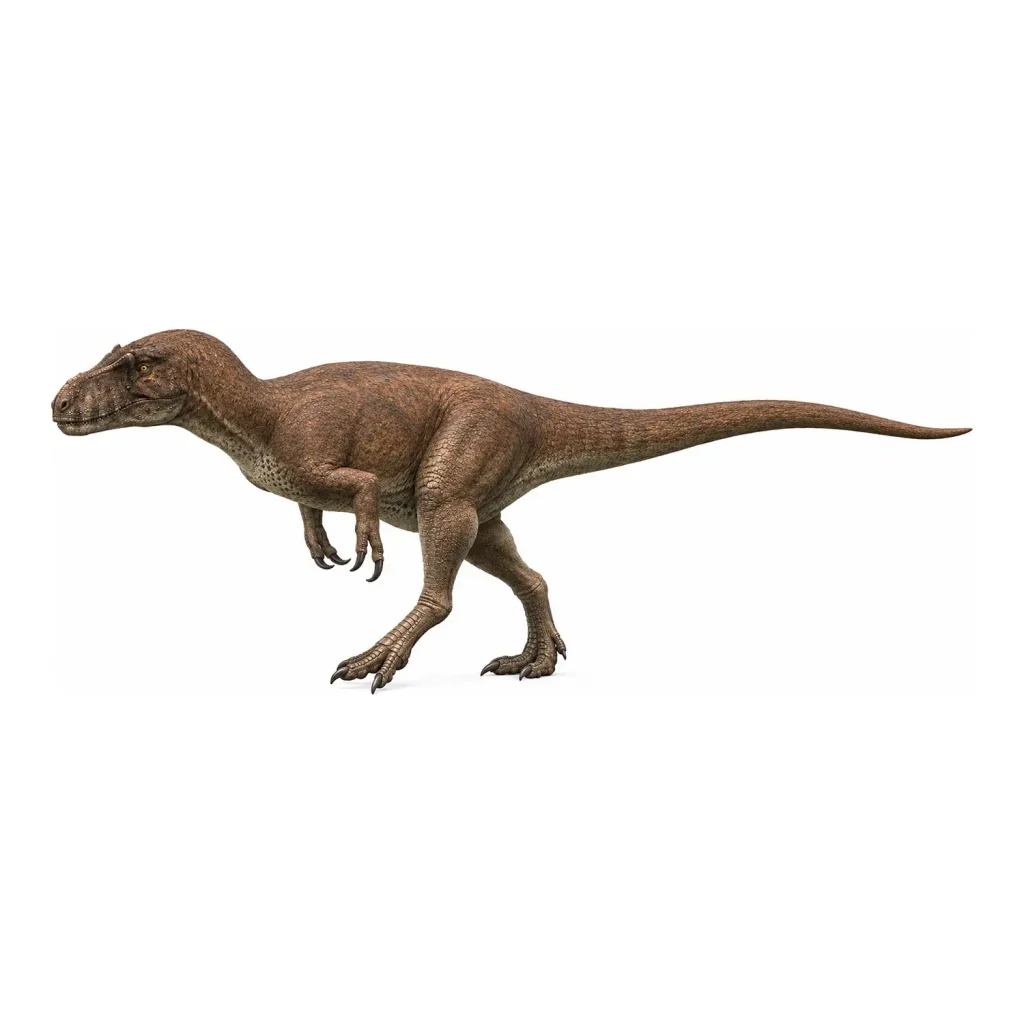
During the Late Jurassic, when Camptosaurus lived in North America, large carnivorous dinosaurs such as Allosaurus and Ceratosaurus inhabited the region.
The same environment was also home to various herbivorous dinosaurs, including Apatosaurus and Stegosaurus.
Camptosaurus lived in this environment without sturdy armor to protect its body or powerful weapons capable of defending it against large carnivorous dinosaurs.
Its thumb claw was also less developed than that of Iguanodon, making it unlikely to have been well suited for actively fighting off enemies.
Therefore, when it encountered a predator, running away rather than fighting was probably important for survival.
Its well-developed hind limbs may have played a role in helping it escape such dangers.
Possible Coexistence with Stegosaurus
Fossils of Camptosaurus and Stegosaurus are sometimes found in the same geological formations.
Because of this, some accounts suggest that they may have had a relationship in which Stegosaurus provided defense while Camptosaurus kept watch over its surroundings.
However, the fact that they lived in the same area does not necessarily mean they cooperated with each other.
It is unknown whether such a relationship actually existed.
The Evolution of Ornithopods Leading to Iguanodon and Hadrosaurids
Camptosaurus was once classified in the Iguanodon family, which was considered closely related to Iguanodon.
This was because it shared features with Iguanodon, including a well-developed beak, teeth adapted for chewing vegetation, and a large body.
However, closer examination of the number of toes on its hind limbs, the skeletal structure of its chest, and the shape of its beak revealed that it also retained primitive features distinct from those of Iguanodon.
It is now thought to occupy an evolutionary position between early ornithopods and more advanced ornithopods, including Iguanodon and the hadrosaurids.
Camptosaurus is also sometimes classified in the family Camptosauridae, along with Callovosaurus from the United Kingdom and Draconyx from Portugal.