
Limaysaurus
Name Origin
Limay River Lizard
Family
Rebbachisauridae
Classification
Diapsida, Saurischia, Sauropodomorpha
Habitat (Discovery Location)
Argentina
Period
Early Cretaceous
Length
Approximately 15 meters
Weight
Approximately 7 tons
Diet
Herbivore (Plant-eater)
TODAY'S QUIZ
Correct answer = 1 coin
Limaysaurus had tall neural spines extending upward from the vertebrae along its neck and back. What do scientists currently think about this feature?
Loading…
You might also like... 

-
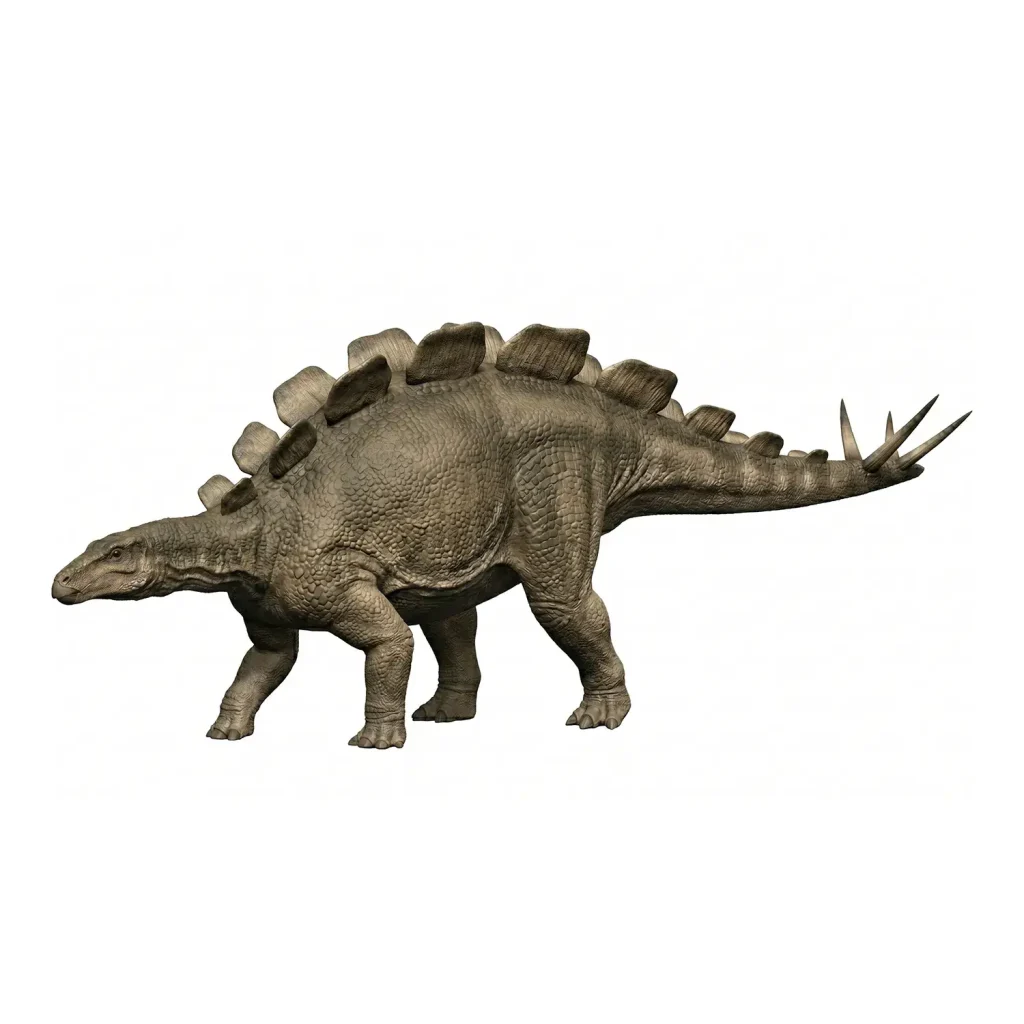
 Wuerhosaurus
- Classification
- Thyreophora
- Characteristics
- Herbivorous
- Era
- Cretaceous period
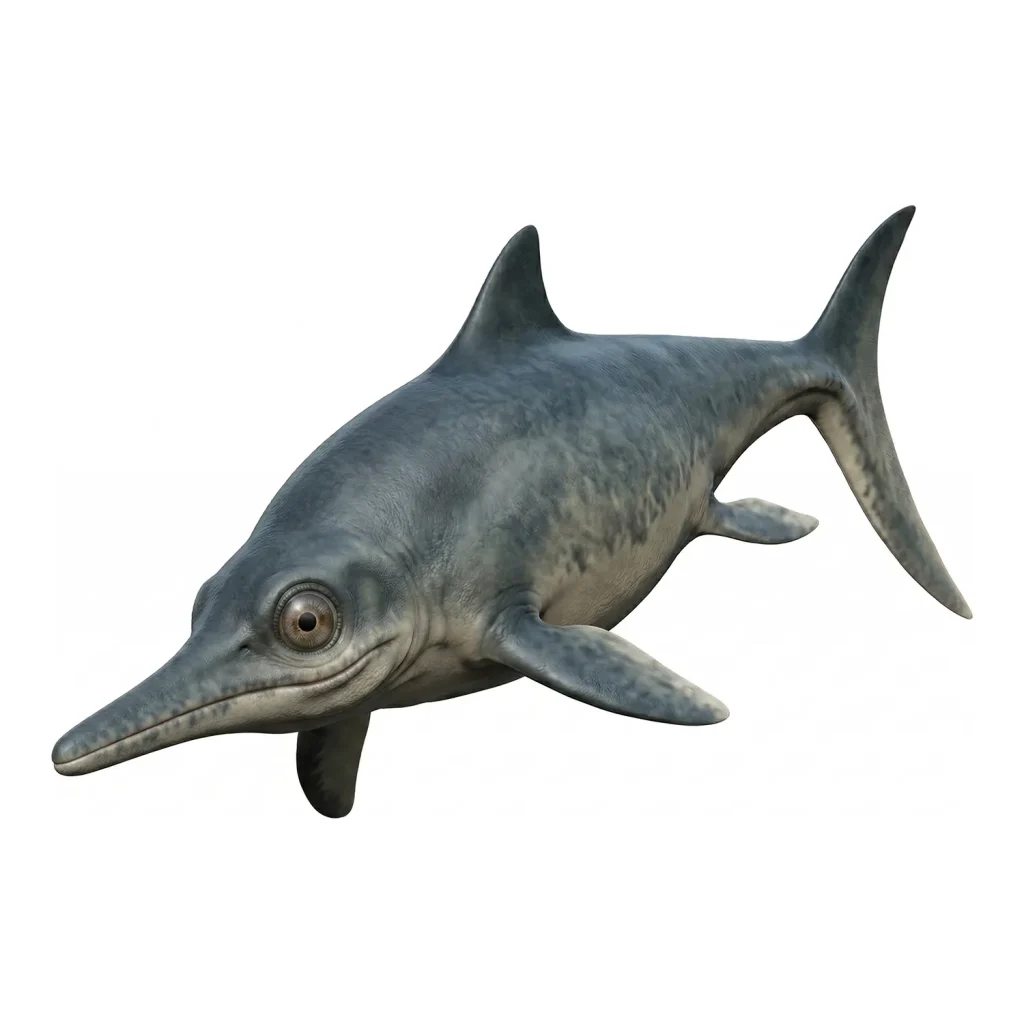
- Ophthalmosaurus
- Classification
- Marine reptiles
- Characteristics
- Carnivorous
- Era
- Jurassic period
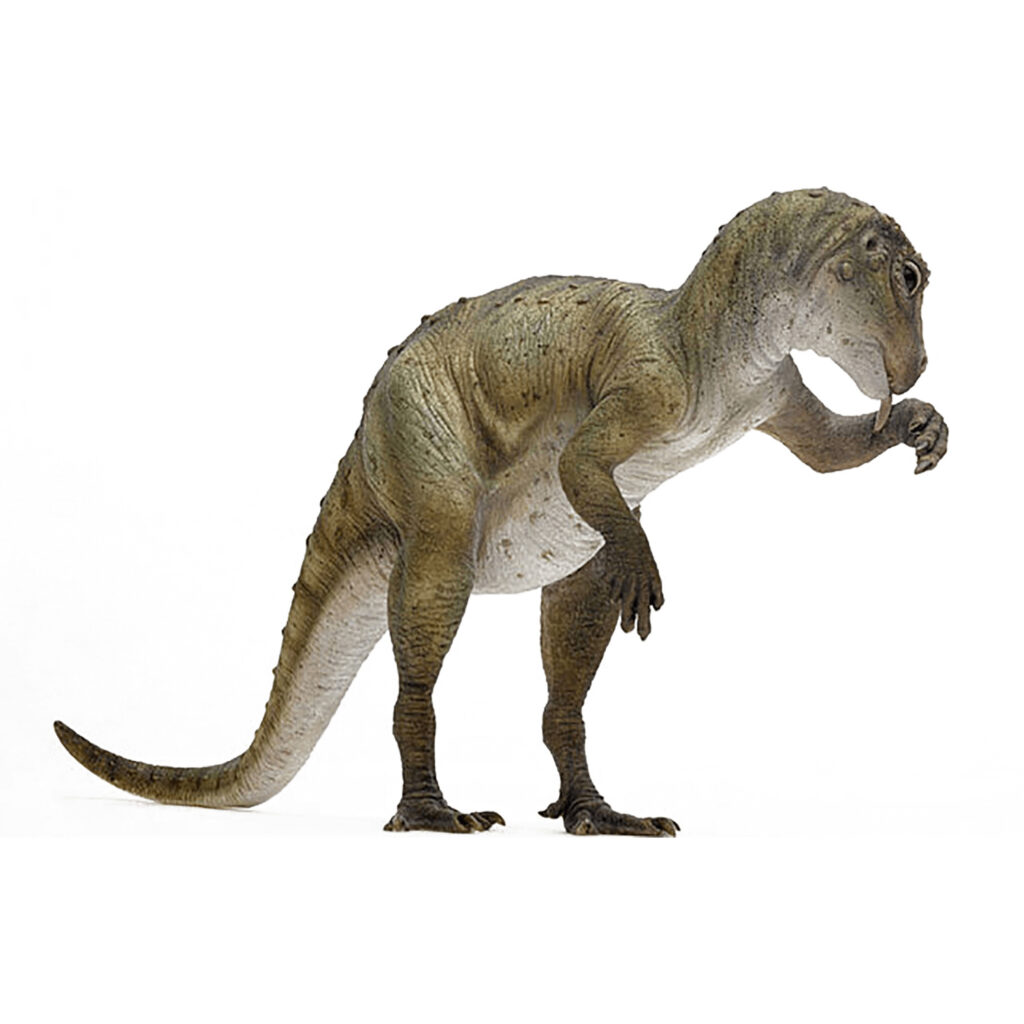
- Heterodontosaurus
- Classification
- Ornithopoda
- Characteristics
- Herbivorous
- Era
- Jurassic period
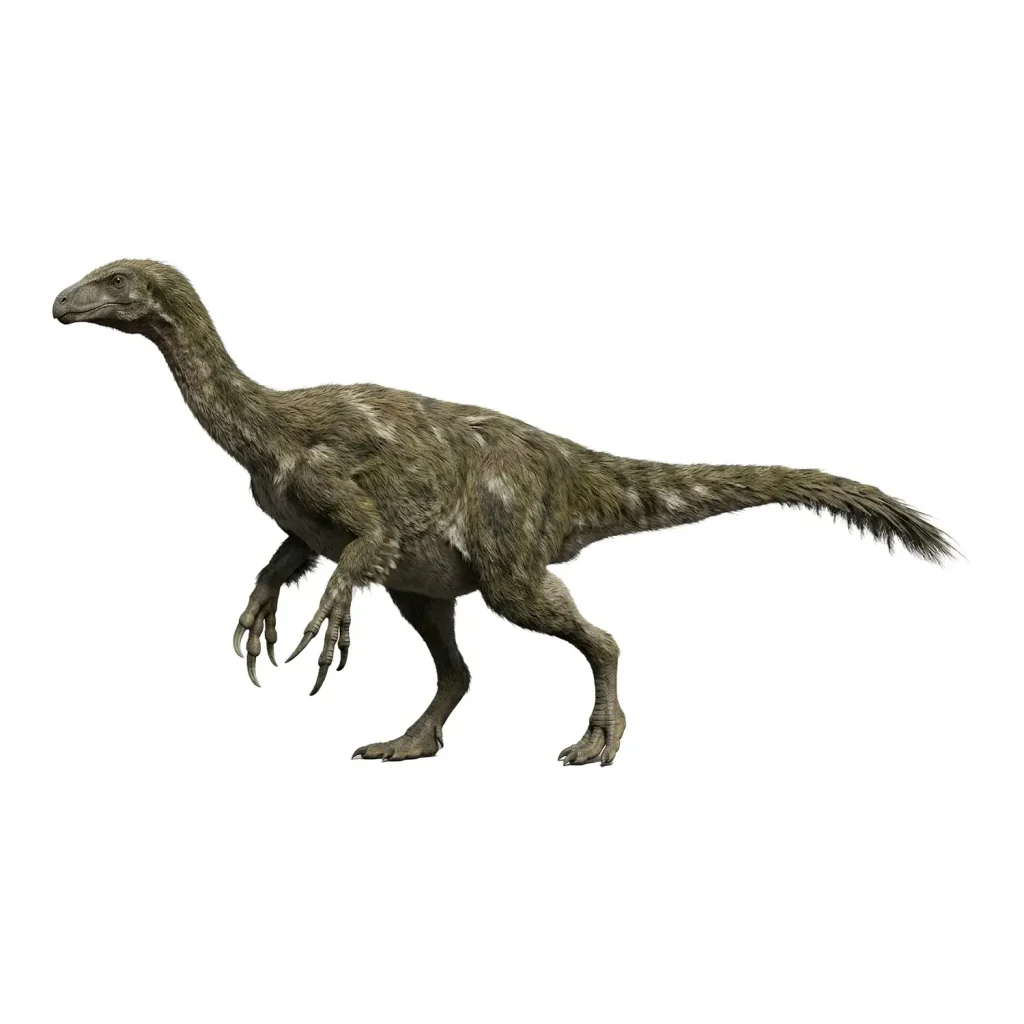
- Jianchangosaurus
- Classification
- Theropods
- Characteristics
- Herbivorous
- Feathered
- Era
- Cretaceous period
-
Sponsored Links
-
Sponsored Links

















Description
Limaysaurus was a herbivorous dinosaur belonging to the family Rebbachisauridae that lived in South America during the Cretaceous.
Its fossils have been discovered in the Patagonia region of what is now northwestern Argentina. It was a quadrupedal sauropodomorph with a long neck and tail.
It is estimated to have reached approximately 15 meters in length and weighed approximately 7 tons.
It was medium-sized among sauropodomorphs, and one of its most distinctive features was the tall projections extending upward from its vertebrae.
Limaysaurus also shared several characteristics with African dinosaurs such as Rebbachisaurus.
It is an important dinosaur for understanding the relationships between dinosaurs that lived in South America and Africa.
Fossil Discoveries and the Origin of the Name Limaysaurus
Limaysaurus fossils were discovered in Neuquén Province, Argentina.
The first fossils were found in 1988 by Lieto Francisco Tessone.
Subsequently, paleontologist José Bonaparte and other researchers carried out excavations and collected additional fossils.
In 1995, Jorge Calvo and Leonardo Salgado identified the fossils as belonging to a dinosaur closely related to the African Rebbachisaurus and described it as Rebbachisaurus tessonei.
However, later studies identified characteristics that distinguished it from Rebbachisaurus. In 2004, the new genus Limaysaurus was proposed.
As a result, its scientific name was changed to Limaysaurus tessonei.
The genus name Limaysaurus combines the name of the Limay River (Río Limay), which flows near the fossil site, with the Greek word “sauros,” meaning “lizard.”
The name therefore means “Limay River Lizard.”
The species name tessonei honors Lieto Tessone, who first discovered the fossils.
A Valuable Dinosaur with a Relatively Well-Preserved Skeleton
One important aspect of Limaysaurus research is that relatively substantial skeletal remains have been discovered compared with those of other members of Rebbachisauridae.
Many dinosaurs in this group are known only from isolated parts of the body, such as vertebrae.
The holotype specimen, MUCPv-205, is sometimes described as preserving remains equivalent to approximately 80 percent of the entire skeleton.
It provides information about a wide range of body parts, including skull bones, neck and torso vertebrae, ribs, the pelvis, and limb bones.
Another fragmentary skeletal specimen, MUCPv-206, is also known.
In addition, MUCPv-153, which belongs to a smaller individual, was discovered nearby.
The availability of multiple specimens makes it possible to study and compare the skeletal structure of Limaysaurus.
In particular, the structure of its vertebrae and the characteristics of different parts of its body provide important clues for distinguishing it from other members of Rebbachisauridae.
Size and Distinctive Features of Limaysaurus
Limaysaurus is estimated to have reached approximately 15 meters in length and weighed approximately 7 tons.
These estimates are based on the size of the preserved skeleton and comparisons with related species, so some uncertainty remains regarding its exact length and weight.
It was a large herbivorous dinosaur with a long neck and tail, a large torso, and four legs.
Its head was relatively small, and it is thought to have used its long neck to feed on vegetation.
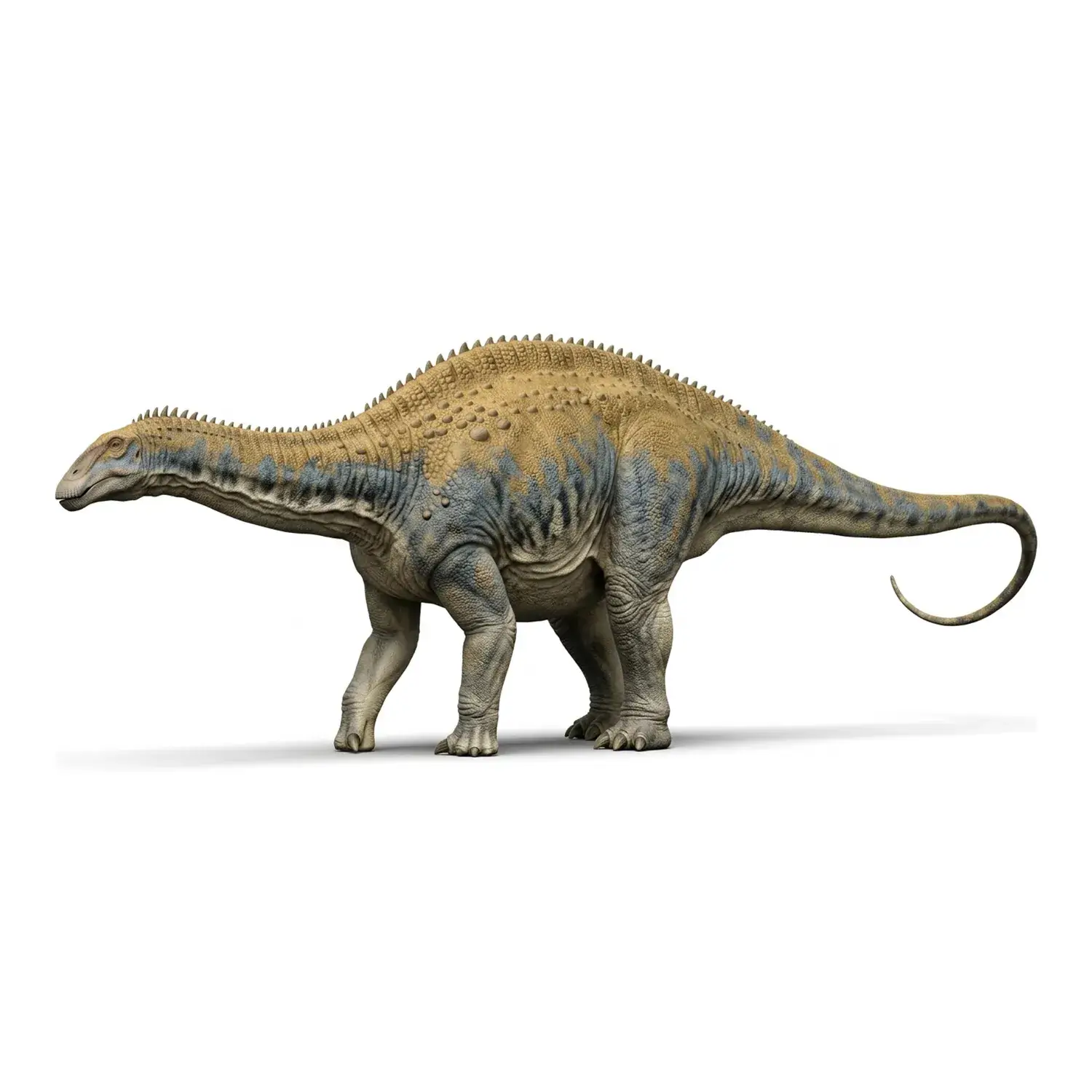
One of its most distinctive features was the tall neural spines extending upward from the vertebrae in its neck and back.
Neural spines are projections on the upper part of each vertebra that make up the backbone. They provide attachment points for muscles, ligaments, and other tissues.
The neural spines of Limaysaurus were well developed, creating a distinctive silhouette from its neck to its back.
The neural spines of its cervical and dorsal vertebrae are thought to have been relatively straight and I-shaped rather than V-shaped, with tips that split into two branches.
These tall projections may have been associated with the muscles and ligaments that supported its neck and back.
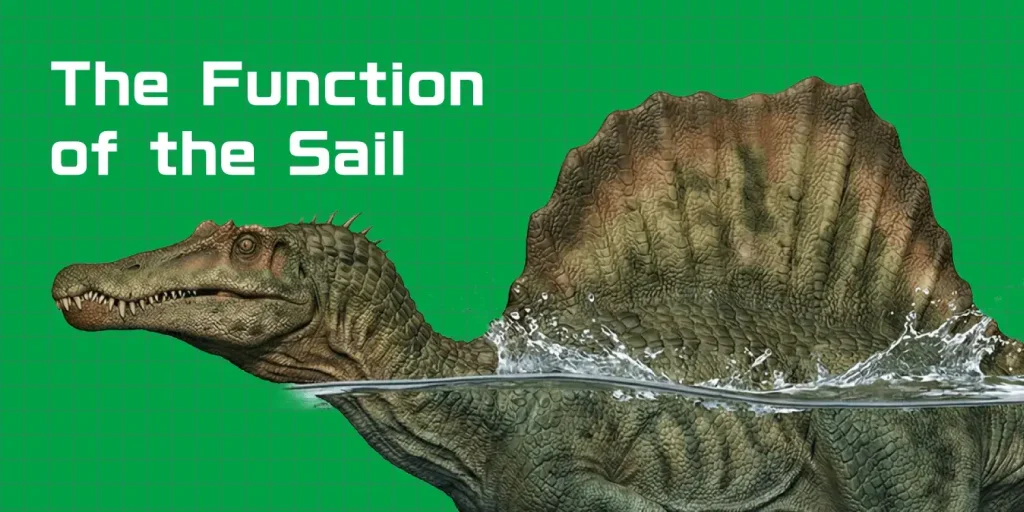
However, the fact that its neural spines were tall and well developed does not prove that it had a sail along its back.
It may have had a sail-like appearance, but no direct evidence has been found to establish what its actual shape was.
Illustrations depicting a sail on its back should therefore be regarded as artistic reconstructions based on its skeleton, rather than as a confirmed physical feature.
Teeth and Diet: How Limaysaurus Differed from Diplodocus
Limaysaurus was a sauropodomorph belonging to the same superfamily, Diplodocoidea, as Diplodocus, but the two dinosaurs had different tooth shapes.
While the teeth of Diplodocus were long, slender, and pencil-shaped, those of Limaysaurus were gently curved.
This difference is an interesting feature when comparing how the two dinosaurs fed.
Limaysaurus primarily fed on plants and is thought to have used its long neck to reach vegetation while feeding.
Gastroliths have also been discovered among the fossils of Limaysaurus.
Gastroliths are stones swallowed by animals that may have helped break down food into smaller pieces inside the stomach.
South America During the Cretaceous: The Environment of Limaysaurus
The Candeleros Formation, where the main Limaysaurus fossils were discovered, is an important geological formation for understanding the environment of Patagonia during the Cretaceous.
The region is thought to have featured extensive plains and shallow lagoons, with a relatively warm and humid climate.
Limaysaurus appears to have lived in these plains and along the water’s edge, feeding on vegetation.
Fossils of other sauropodomorphs, such as Andesaurus, and large carnivorous dinosaurs, such as Giganotosaurus, have also been discovered in the same region.
Other Cretaceous deposits in Patagonia have yielded fossils of various dinosaurs, including Nothosaurus, Argentinosaurus, and Buitreraptor.
However, not all of these dinosaurs necessarily lived in the same place at the same time as Limaysaurus.
Similarities with African Dinosaurs and Connections Between Continents
Limaysaurus is also important for understanding the relationships between members of Rebbachisauridae that lived in South America and Africa.
Rebbachisauridae is a group of sauropodomorphs belonging to the superfamily Diplodocoidea.
Fossils have been discovered not only in South America but also in Africa and Europe, indicating that the group was distributed across a wide geographical area during the Cretaceous.
Limaysaurus shares characteristics with Rebbachisaurus, discovered in Morocco, Africa, and Nigersaurus.
It was also closely related to South American dinosaurs such as Rayososaurus and Cathartesaura.
Of particular interest is the similarity between Limaysaurus from South America and Rebbachisaurus from Africa.
The fact that these dinosaurs, discovered on separate continents, share skeletal characteristics provides clues about the possibility that land connections once allowed dinosaurs to move between the two continents during the Cretaceous.
South America and Africa were once connected as part of the supercontinent Gondwana.
Although the continents gradually drifted apart, the distribution of Rebbachisauridae suggests that routes allowing animals from the two continents to interact may have remained available.