
Diamantinasaurus
Name Origin
Diamantina River Lizard
Classification
Diapsida, Saurischia, Sauropodomorpha
Habitat (Discovery Location)
Australia
Period
Approximately 94 million years ago (Late Cretaceous)
Length
Approximately 15 - 18 meters
Weight
Approximately 25 tons
Diet
Herbivore (Plant-eater)
TODAY'S QUIZ
Correct answer = 1 coin
What did the analysis of fossilized gut contents from a Diamantinasaurus specimen reported in 2025 reveal about its diet?
Loading…
You might also like... 

-
 Medusaceratops
- Classification
- Marginocephalia
- Characteristics
- Herbivorous
- Era
- Cretaceous period
- Ornitholestes
- Classification
- Theropods
- Characteristics
- Carnivorous
- Era
- Jurassic period
- Cryolophosaurus
- Classification
- Theropods
- Characteristics
- Carnivorous
- Feathered
- Era
- Jurassic period
- Torosaurus
- Classification
- Marginocephalia
- Characteristics
- Herbivorous
- Era
- Cretaceous period
-
Sponsored Links
-
Sponsored Links











Description
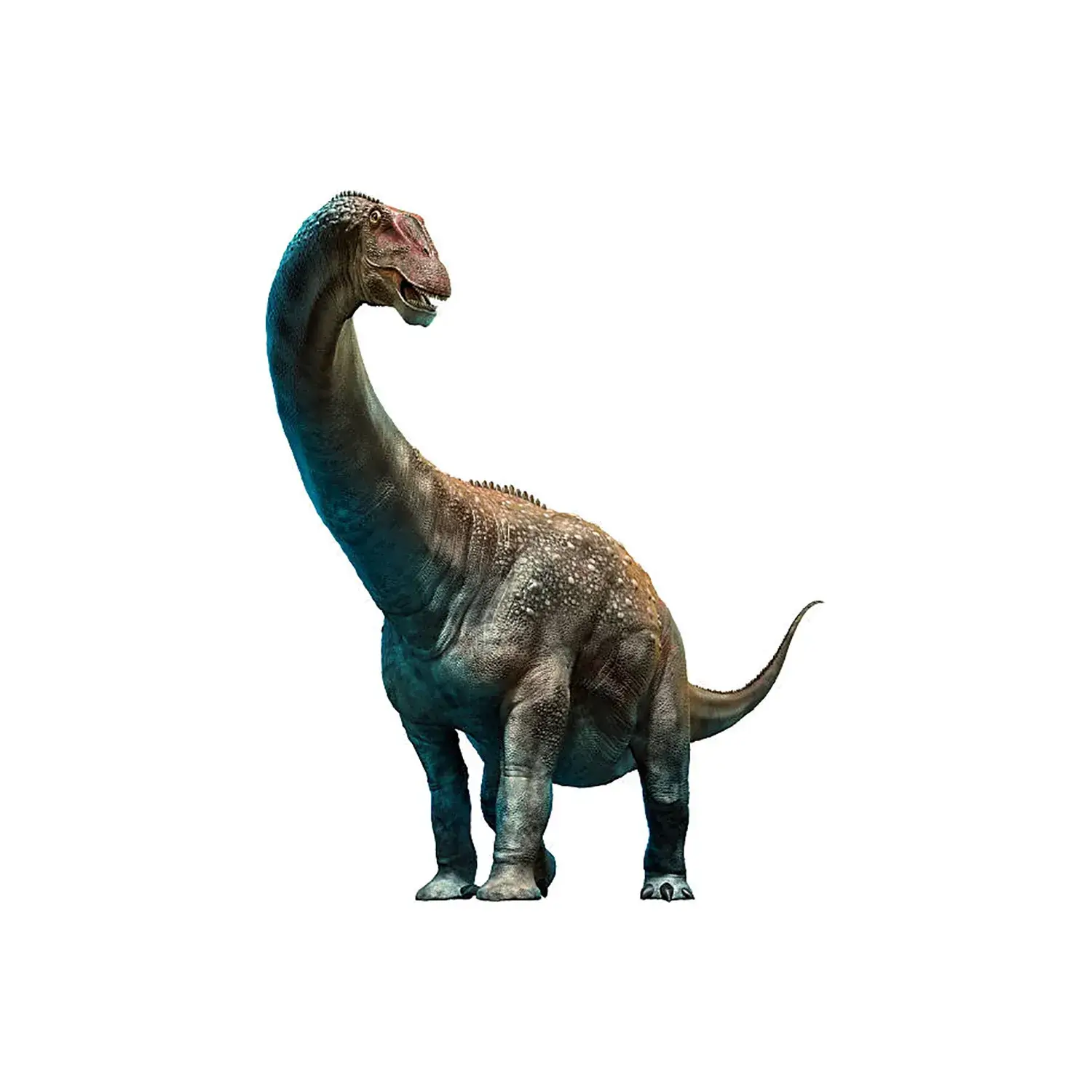
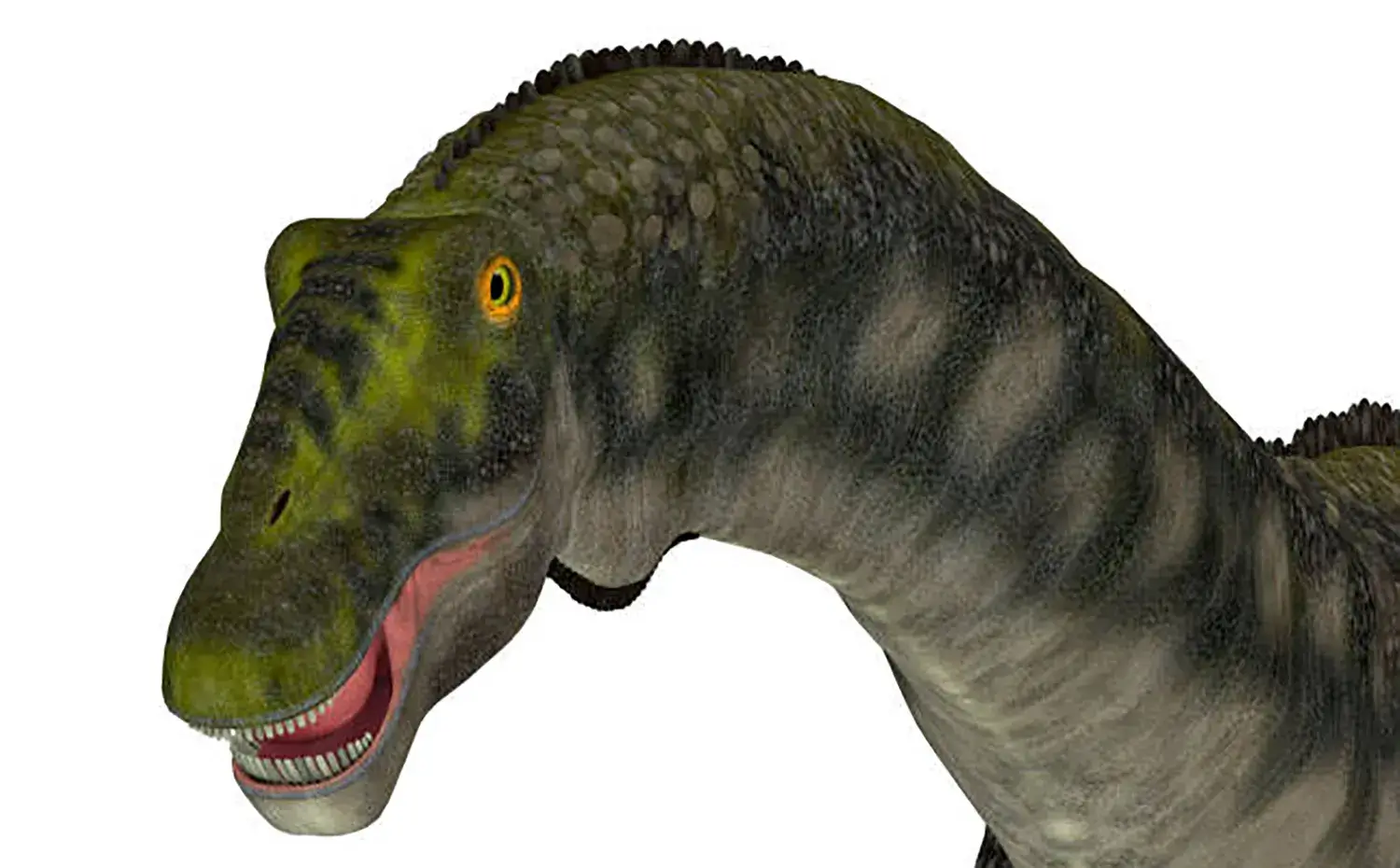
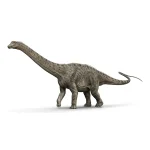
Diamantinasaurus was a large herbivorous dinosaur that lived in Australia approximately 94 million years ago.
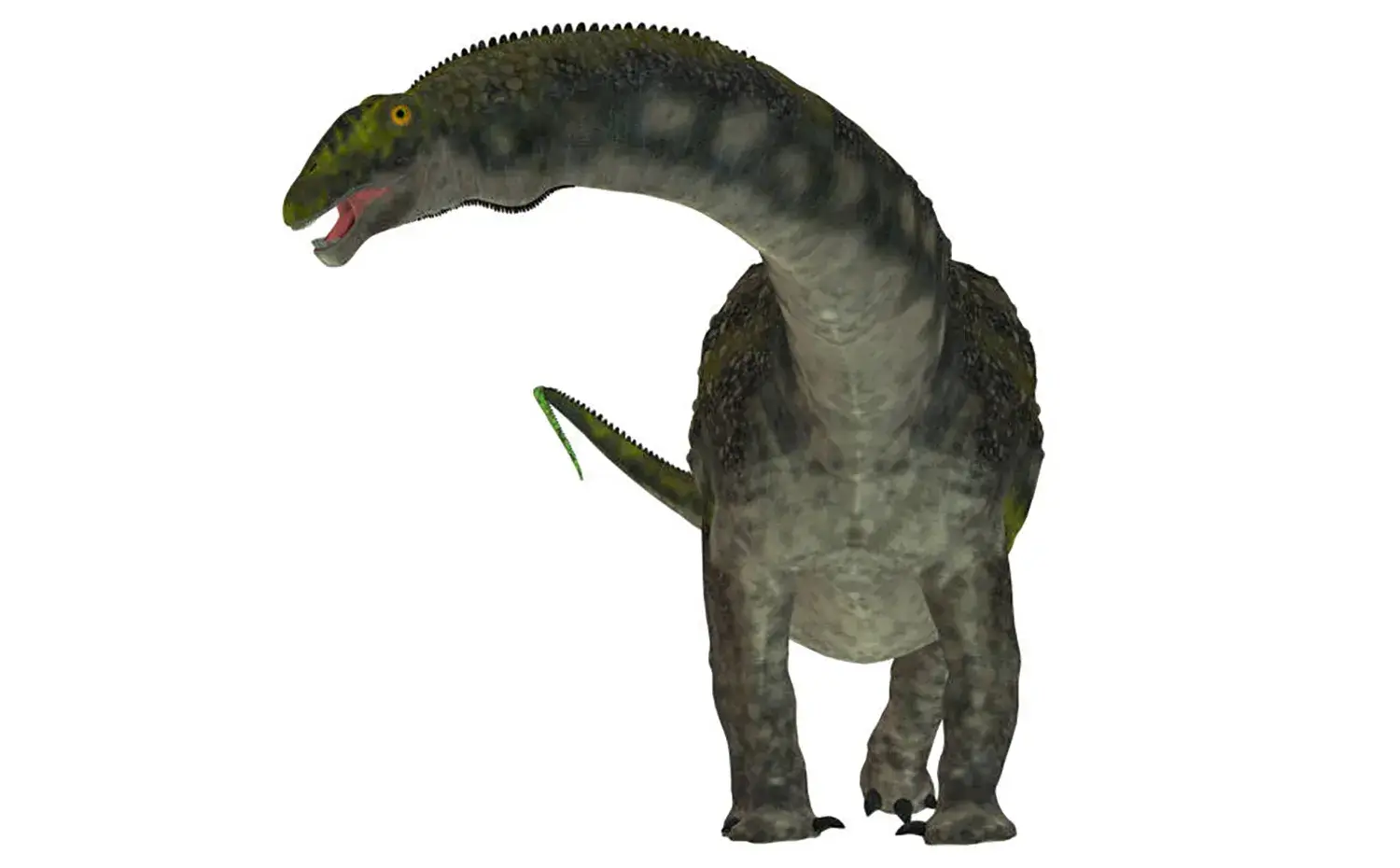
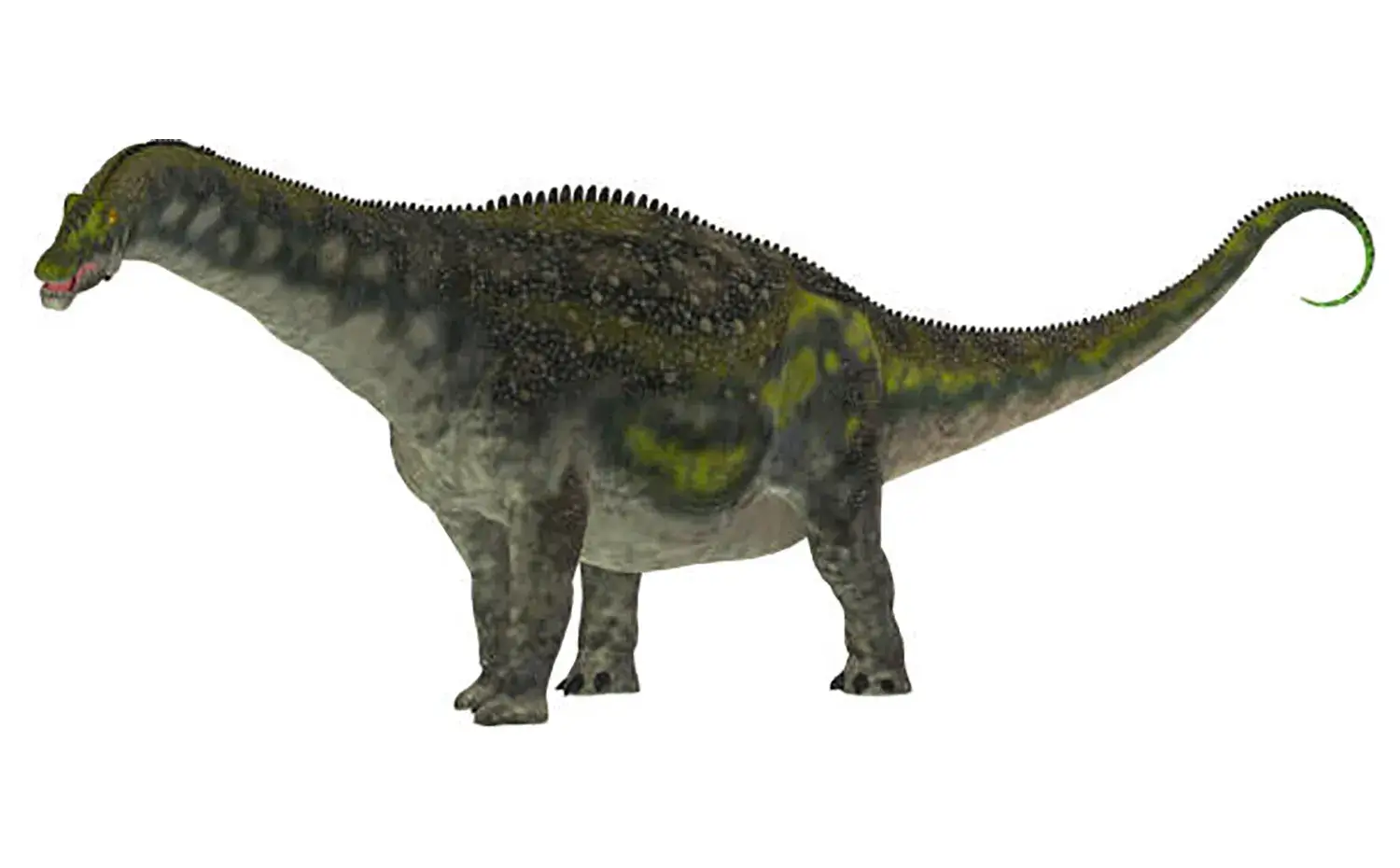
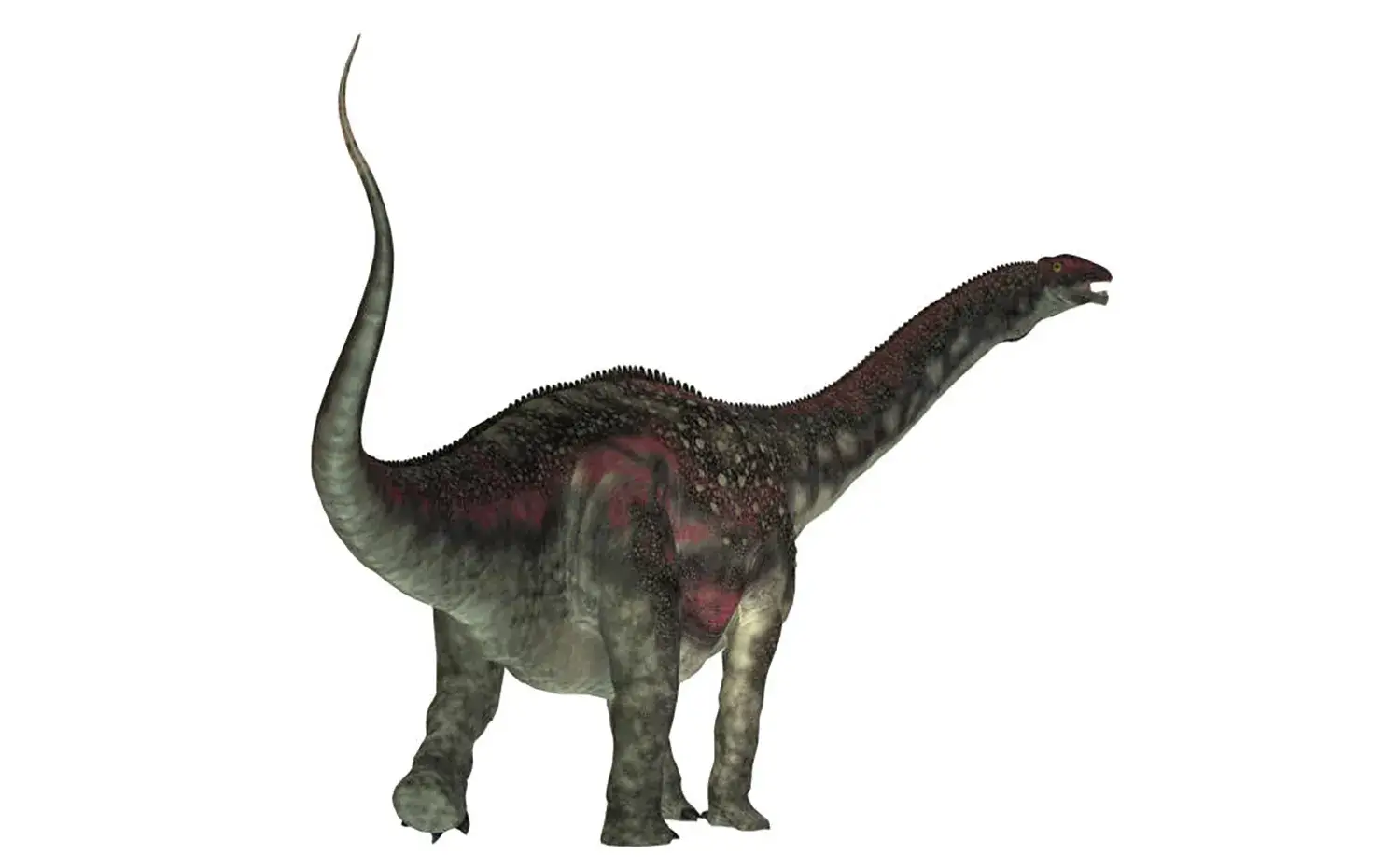
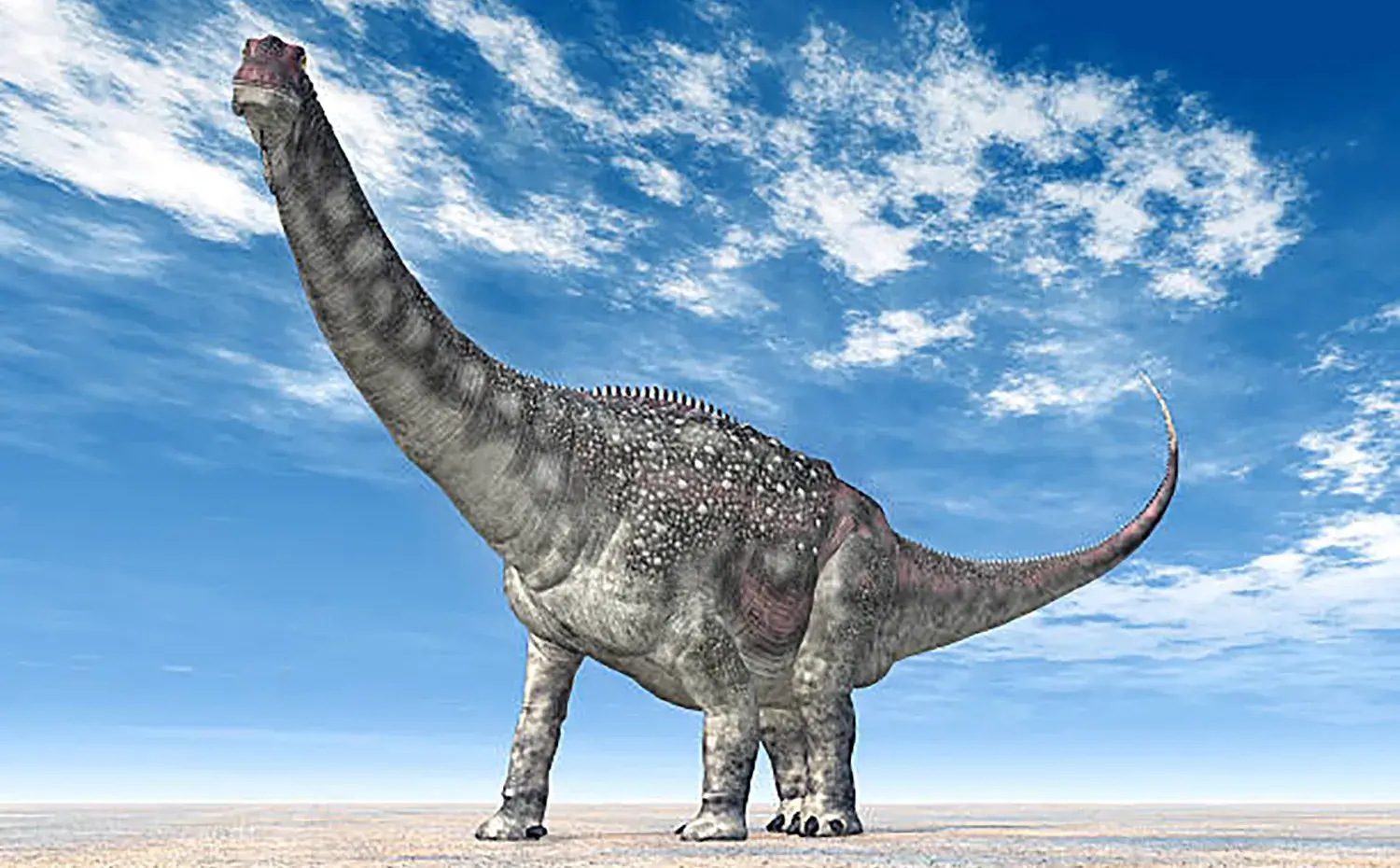
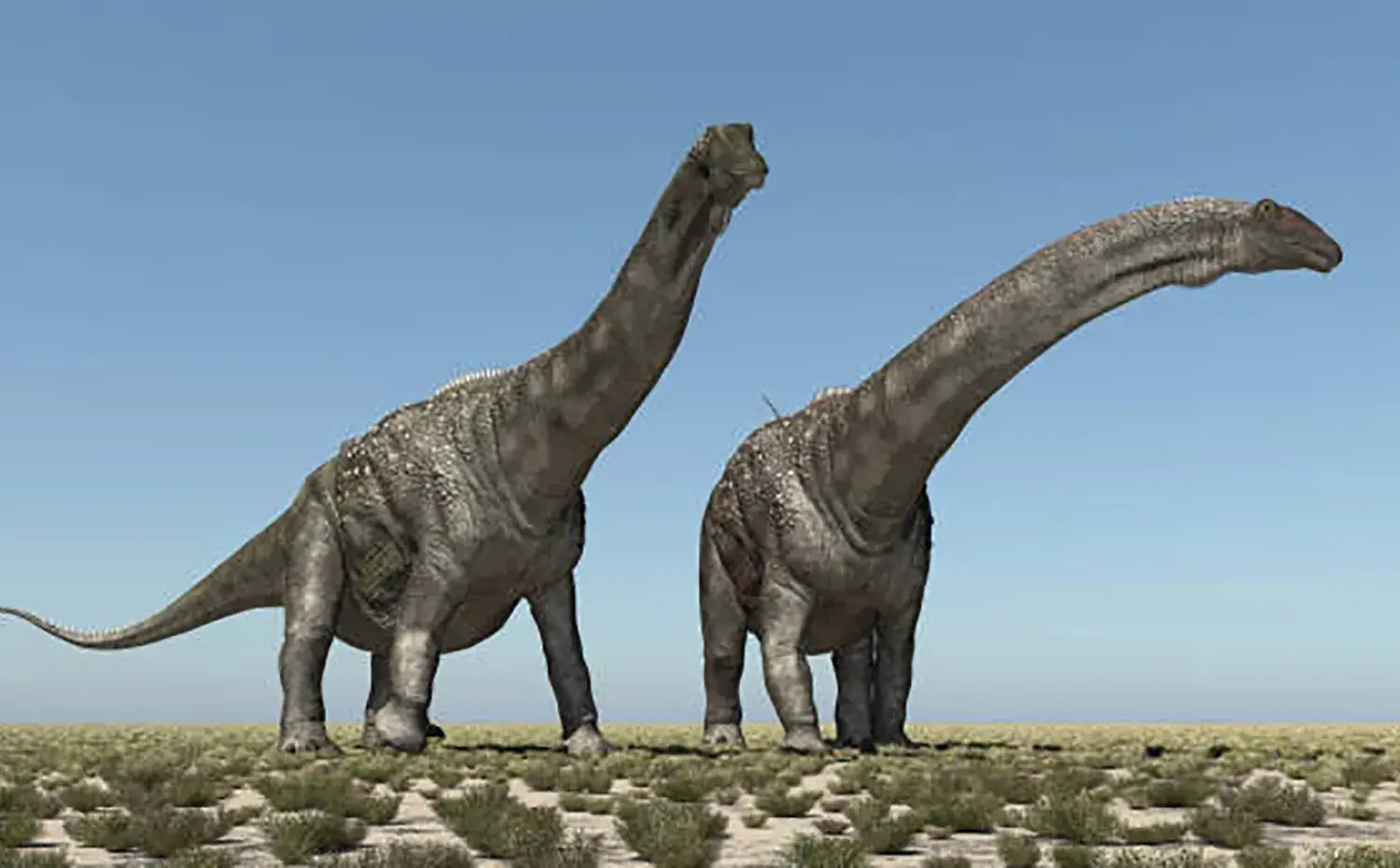
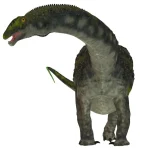
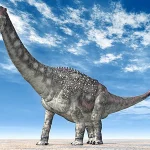
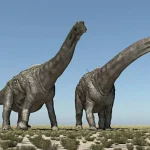
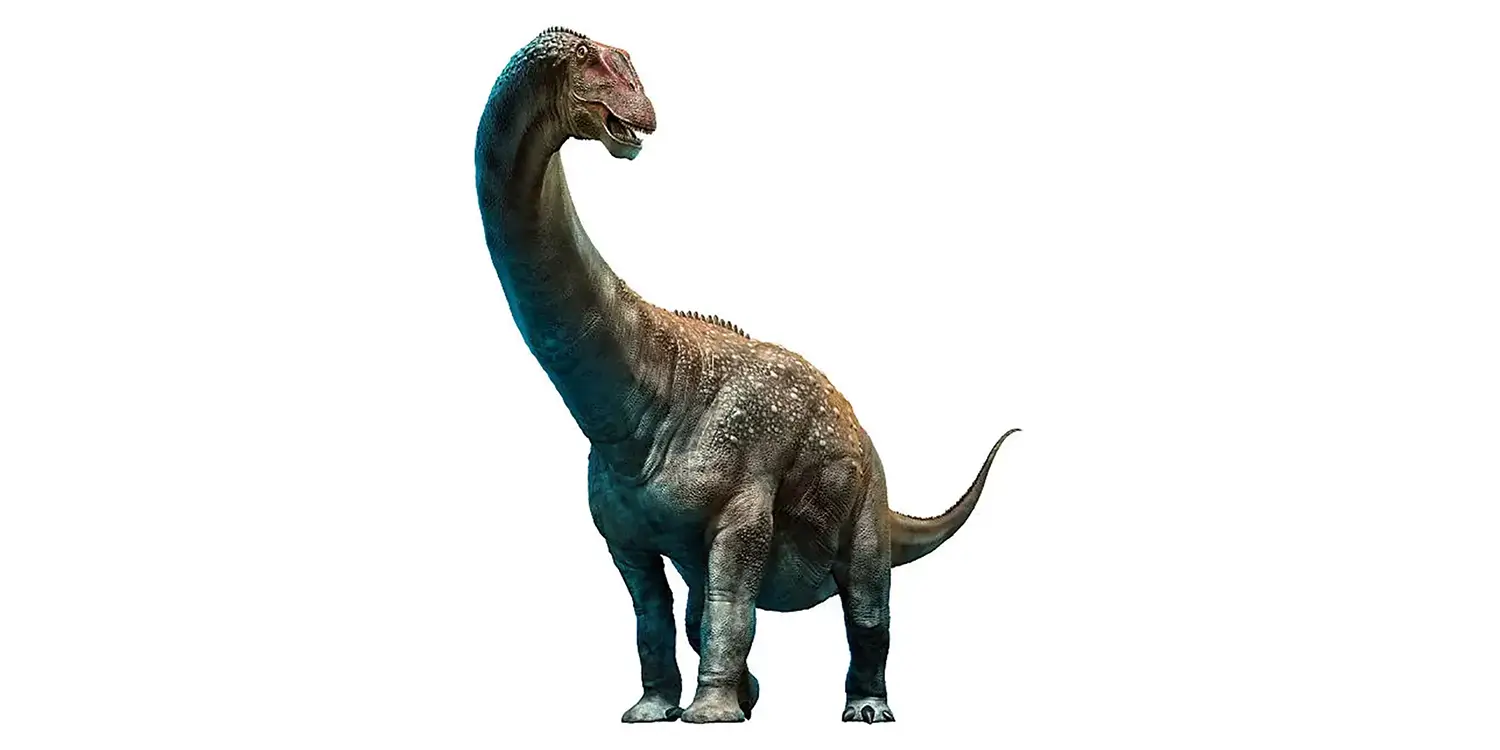
It belonged to the Titanosauria group and had a long neck and tail, a thick torso, and four sturdy legs.
It is estimated to have reached approximately 15 – 18 meters in length and weighed up to approximately 25 tons.
It is thought to have used its long neck to feed on plants while supporting its massive body.
Its fossils were discovered in Queensland, Australia, and it was officially named in 2009.
Excavations have continued since then, uncovering valuable fossils that help researchers understand Diamantinasaurus, including its skull, skin, and traces of its food.
Fossil Discoveries and the Origin of Its Name
Diamantinasaurus fossils were discovered at Elderslie Station in Queensland, northeastern Australia, northwest of Winton.
The excavation site is known as the “Matilda Site” and is located approximately 60 kilometers from the town of Winton.
Excavations were carried out over several seasons, uncovering fossils of Diamantinasaurus as well as the carnivorous dinosaur Australovenator and crocodile-like animals.
These fossils were described in 2009 by Scott Hocknull and other researchers from the Queensland Museum.
The name Diamantinasaurus is derived from the Diamantina River, which flows near the excavation site, and the Greek word “sauros,” meaning “lizard.”
In other words, it means “Diamantina River Lizard.”
The species name “matildae” was inspired by the Australian folk song “Waltzing Matilda.”
The song was written by poet Banjo Paterson and is also associated with Winton.
The fossil specimen was also given the nickname “Matilda.”
Additional Fossil Discoveries Reveal More About Its Appearance
When Diamantinasaurus was first described in 2009, some bones from its body had been discovered, but very little was known about its skull.
However, excavations continued, and fossils containing various parts of its body were subsequently discovered.
In 2016, a specimen containing parts of the skull and lower jaw was reported, and in 2023, fossils that allowed researchers to examine the shape of its skull in greater detail were discovered.
These studies have gradually provided new information about the structure of its face and head, which had previously been poorly understood.
Furthermore, in 2025, a specimen was reported containing parts of the skull and torso, along with fossilized gut contents.
Some of its skin was also preserved, making this an important discovery for understanding the plants Diamantinasaurus ate and the characteristics of its outer skin.
Diamantinasaurus has continued to be studied since its discovery, and its characteristics are gradually becoming clearer as new fossils are uncovered.
Size and Physical Characteristics of Diamantinasaurus
Diamantinasaurus is estimated to have reached approximately 15 – 18 meters in length and weighed up to approximately 25 tons.
Although size estimates vary between sources, it is clear that it was a very large herbivorous dinosaur.
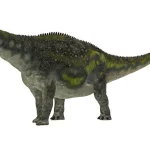
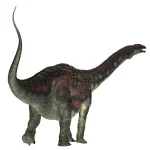
It had a long neck and tail, a broad torso, and sturdy limbs, supporting its body on four legs.
It is thought to have had a relatively stocky build overall.
It had a relatively stocky build overall
Wintonotitan, which lived in the same region, was also a large sauropodomorph, but it is thought to have had a different body shape from Diamantinasaurus.
While Diamantinasaurus was relatively stocky, Wintonotitan is thought to have been taller and more slender.
Hand Characteristics with a Thumb Claw
One of the distinctive features of Diamantinasaurus was that it retained a thumb claw on its hand.
In titanosaurs, the bones of the fingers and fingertips tended to become smaller or disappear as they evolved, but Diamantinasaurus had several finger bones preserved.
Because its hand bones are relatively well preserved, researchers can examine the structure of its fingers in detail.
These features provide important clues when comparing it with other titanosaurs.
The retention of relatively primitive features, such as its thumb claw, has also attracted attention in studies exploring how titanosaurs evolved.
What Its Fossilized Gut Contents Reveal About Its Diet
Diamantinasaurus was a large herbivorous dinosaur that fed on plants.
It is thought to have used its long neck to feed on vegetation, but for a long time, very few fossils directly revealed what kinds of plants it actually ate.
However, fossilized gut contents were discovered in a specimen reported in 2025, nicknamed “Judy.”
These are remains of food that had been left inside the digestive tract and subsequently fossilized.
This discovery, considered the first of its kind in a sauropodomorph, provided important clues about its actual diet.
Analysis revealed that Diamantinasaurus ate not only ferns and conifers but also flowering plants.
The discovery that it fed on multiple types of plants has attracted attention for its potential to shed light on the relationship between Australia’s flora and large herbivorous dinosaurs at the time.
Polygonal Scales Preserved on Its Skin
Fossils reported in 2025 also preserved part of its skin.
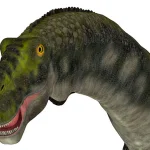
The surface was covered with polygonal scales, many of which were roughly hexagonal in shape.
Dinosaur skin is often difficult to understand in detail from skeletal remains alone.
Because examples of fossilized skin itself are rare, the discovery of identifiable scale shapes and patterns provides valuable evidence for understanding what Diamantinasaurus looked like.
However, it is unknown whether it had bony armor plates covering its body.
Some titanosaurs, such as Saltasaurus, had armor plates, but no armor plate fossils have been discovered in Diamantinasaurus.
Dinosaurs That Lived in Cretaceous Australia
During the early Late Cretaceous, when Diamantinasaurus lived, Australia was home to many other dinosaurs as well.
The Winton Formation, where its fossils were discovered, has also yielded fossils of the carnivorous dinosaur Australovenator and another sauropodomorph, Wintonotitan.
Australovenator was a carnivorous dinosaur estimated to have reached approximately 5 – 7 meters in length.
It had well-developed forelimbs and sharp claws, and lived in the same region as large herbivorous dinosaurs such as Diamantinasaurus.
Wintonotitan was also a large herbivorous dinosaur that lived in the same region.
It had a different body structure from Diamantinasaurus, showing that sauropodomorphs with distinct characteristics coexisted in Australia at the time.