
Australovenator
Name Origin
Southern Hunter
Family
Megaraptoridae
Classification
Diapsida, Saurischia, Theropoda
Habitat (Discovery Location)
Australia
Period
Approximately 93 - 95 million years ago (Late Cretaceous)
Length
Approximately 5 - 7 meters
Weight
Approximately 300 kilograms - 1 ton
Diet
Carnivore (Meat-eater)
TODAY'S QUIZ
Correct answer = 1 coin
What did a 2015 CT scan study reveal about the forelimbs of Australovenator?
Loading…
You might also like... 

-
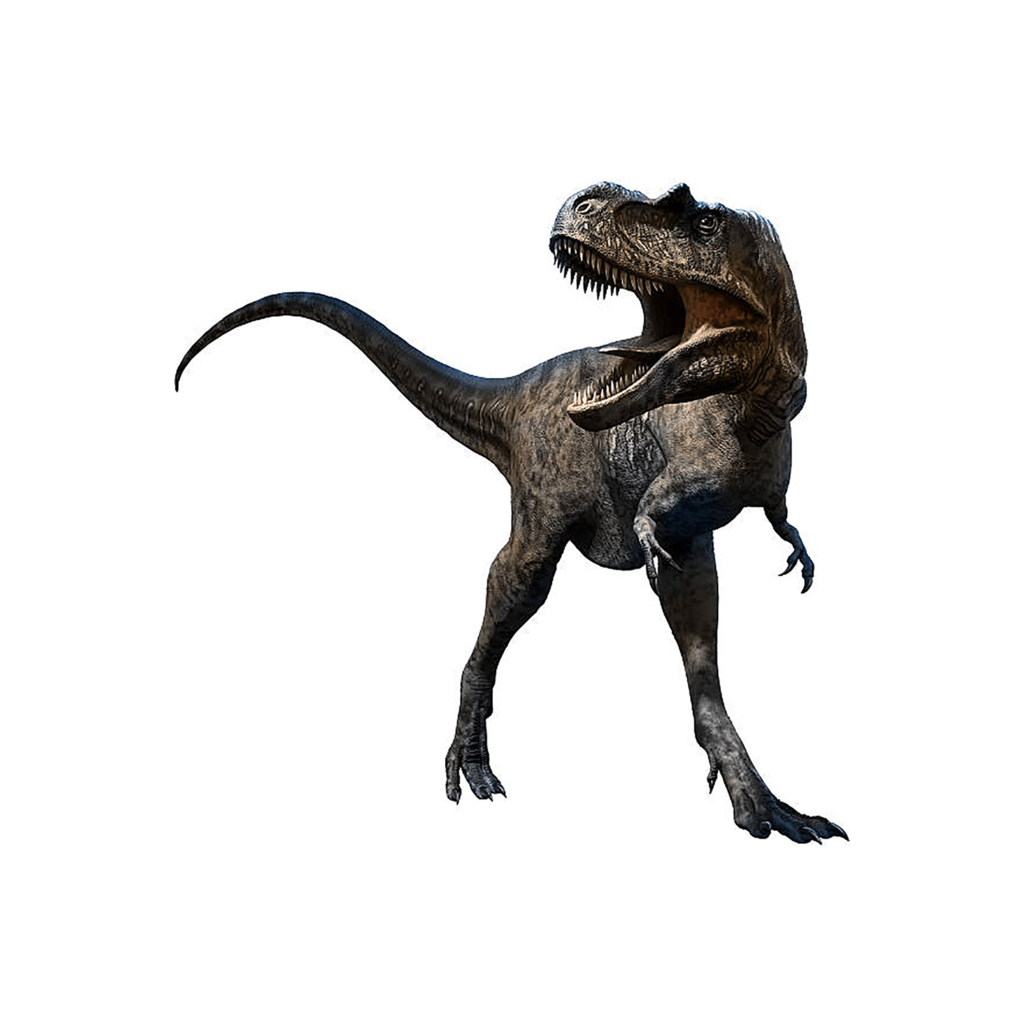
 Albertosaurus
- Classification
- Theropods
- Characteristics
- Carnivorous
- Era
- Cretaceous period
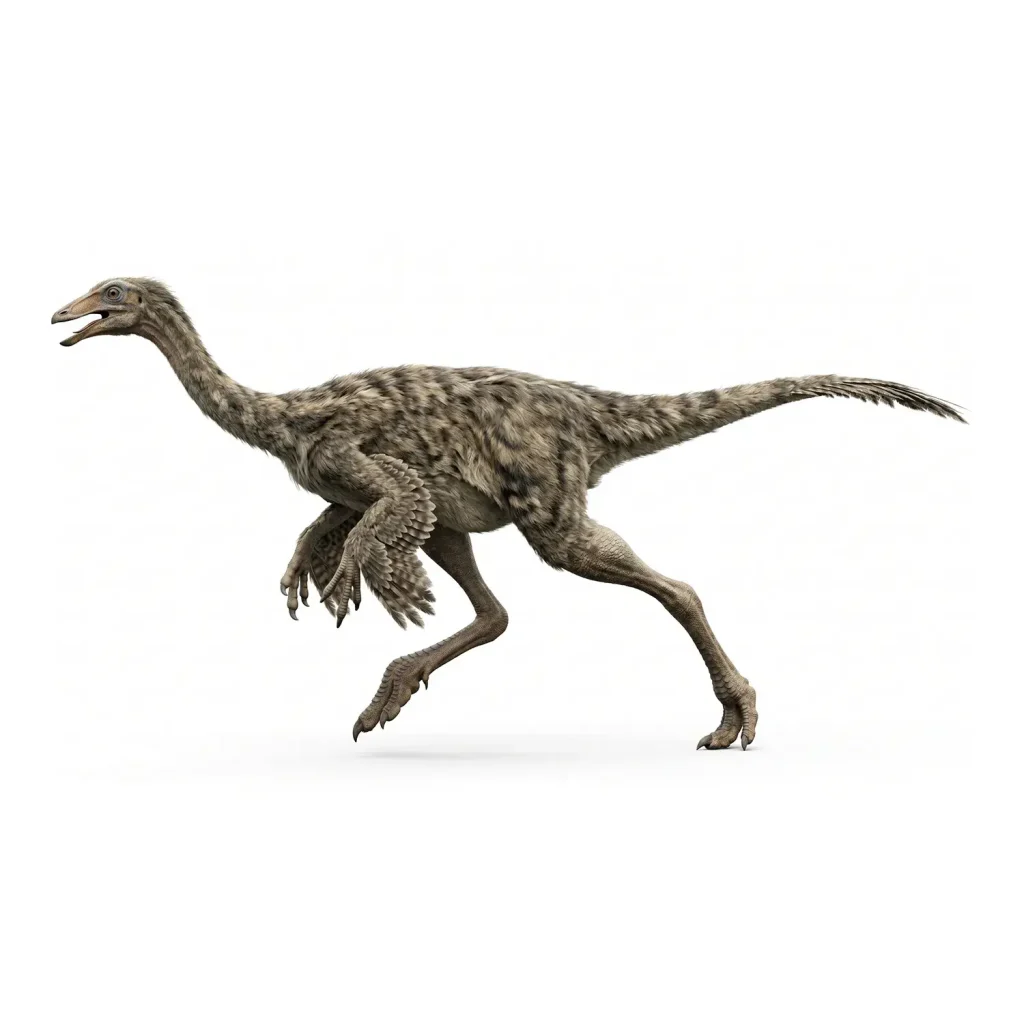
- Ornithomimus
- Classification
- Theropods
- Characteristics
- Herbivorous
- Omnivorous
- Feathered
- Era
- Cretaceous period
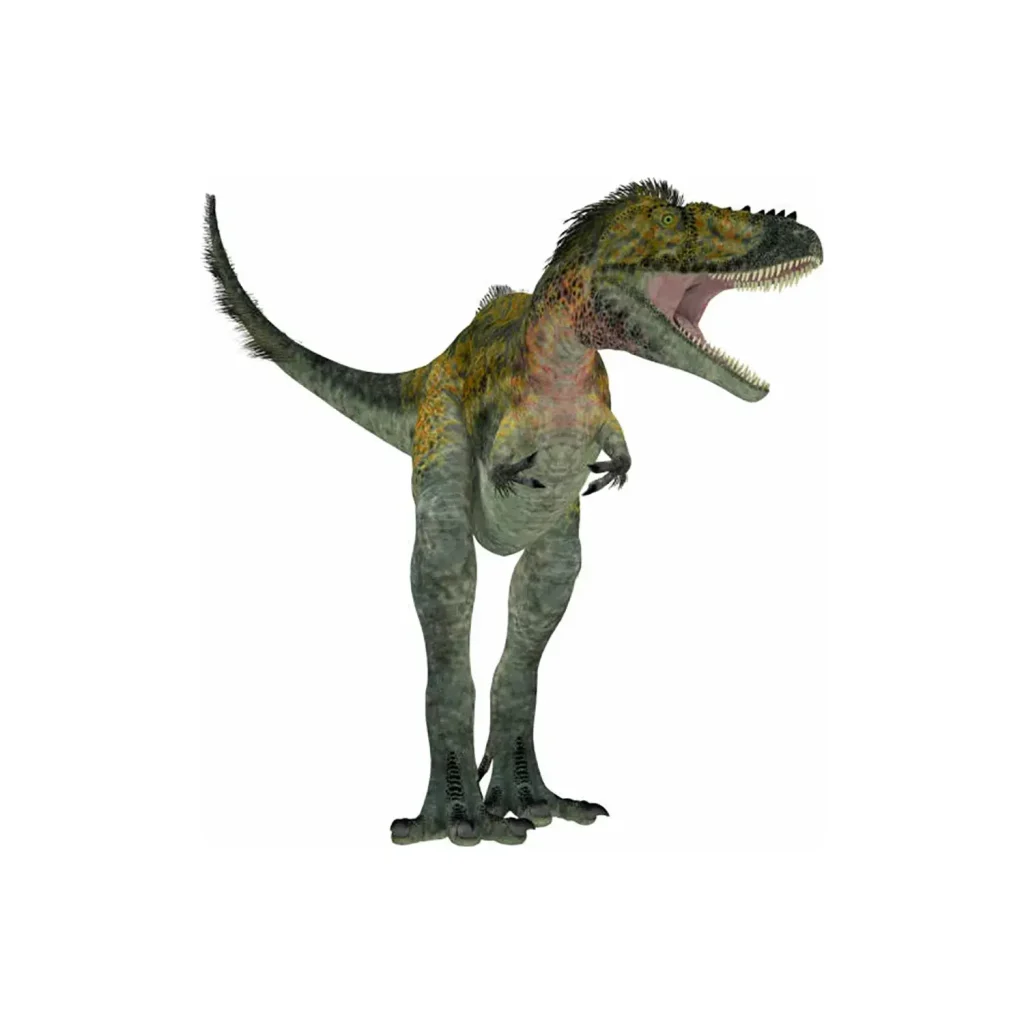
- Alioramus
- Classification
- Theropods
- Characteristics
- Carnivorous
- Era
- Cretaceous period
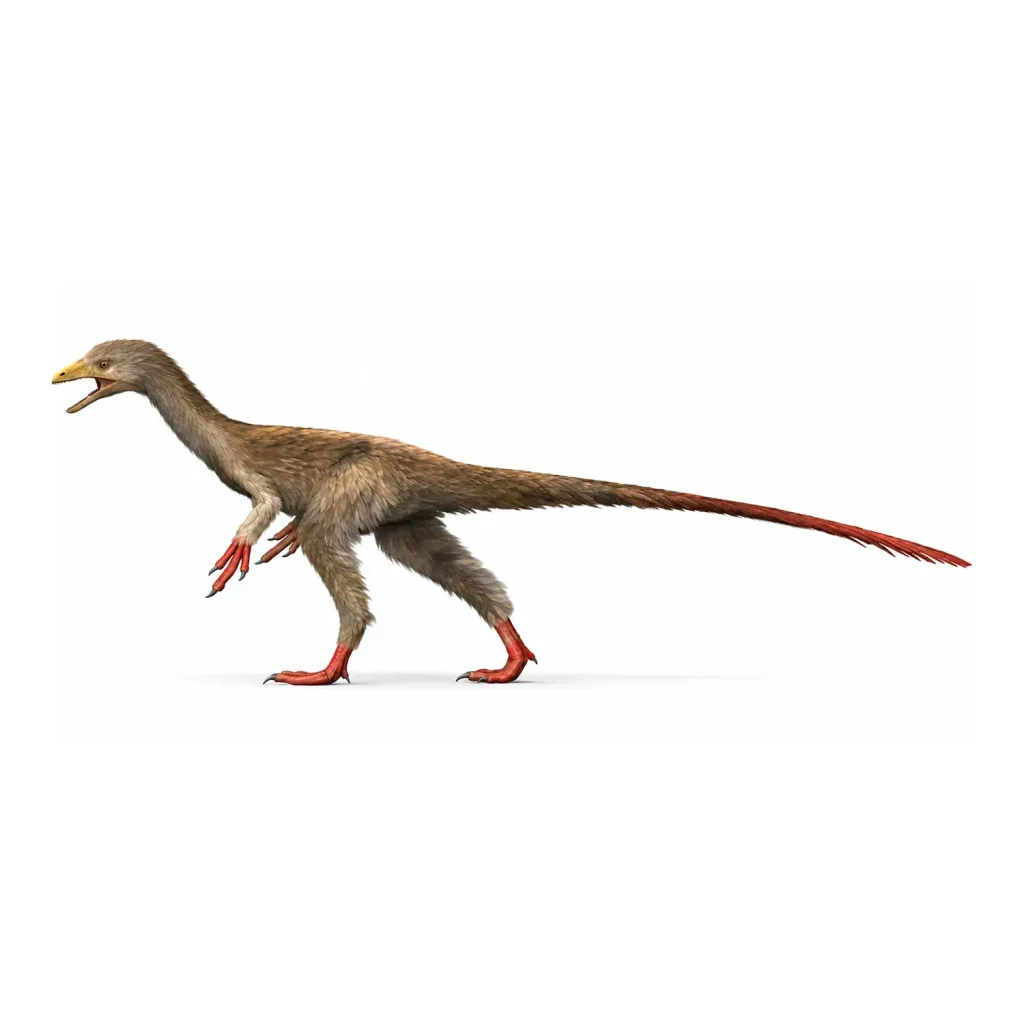
- Sinocalliopteryx
- Classification
- Theropods
- Characteristics
- Carnivorous
- Feathered
- Era
- Cretaceous period
-
Sponsored Links
-
Sponsored Links














Description
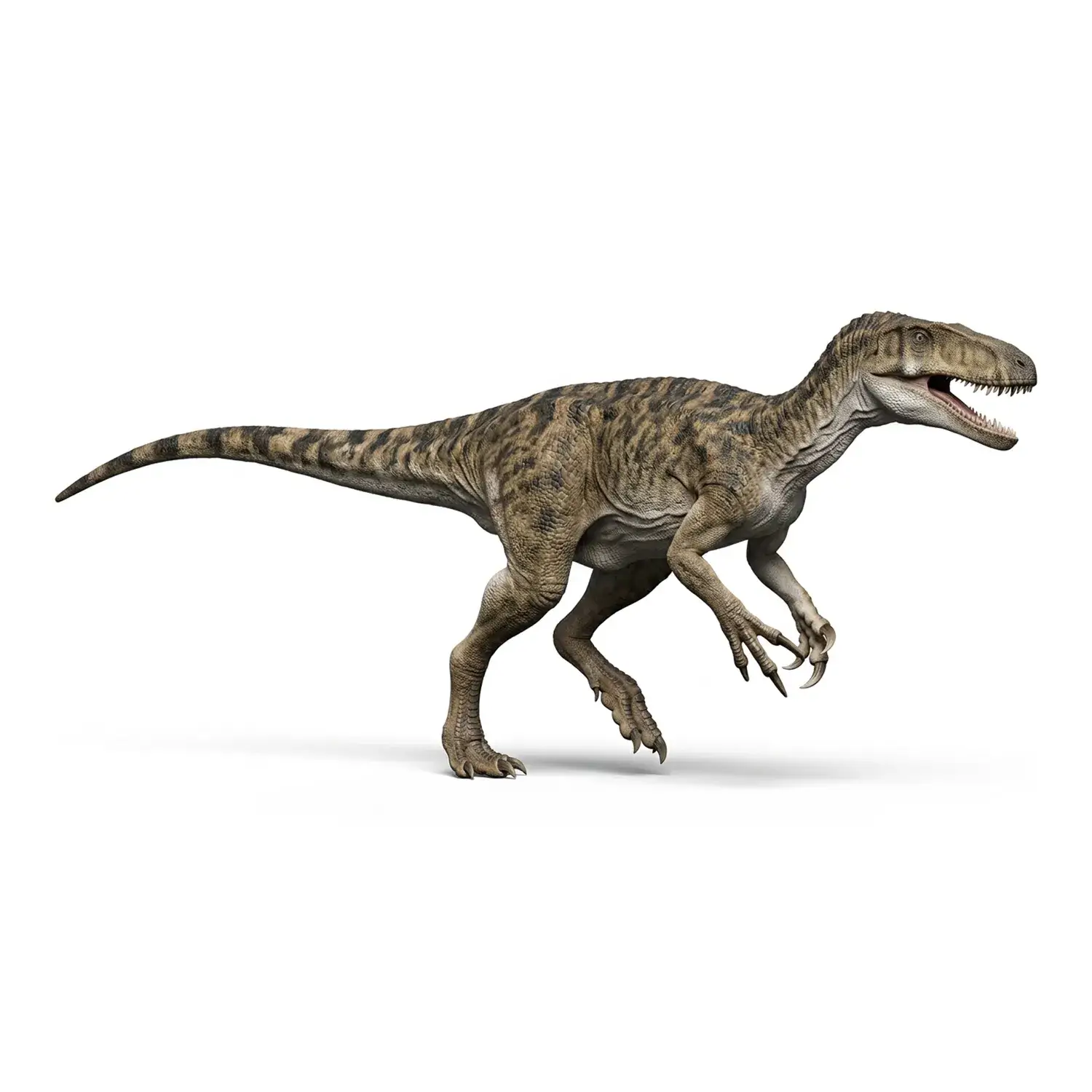
Australovenator was a carnivorous theropod dinosaur that lived in Australia during the Late Cretaceous.
It is estimated to have reached approximately 5 – 7 meters in length and is believed to have been a formidable predator in Australia’s ecosystem at the time.
One of its most distinctive features was its unusually well-developed forelimbs relative to its body size.
While some large carnivorous dinosaurs developed powerful heads and jaws but had reduced forelimbs, such as Tyrannosaurus, Australovenator had long, powerful arms equipped with sharp claws.
Its forelimb joints are also thought to have allowed a wide range of movement, potentially playing an important role in capturing prey.
Its scientific name means “Southern Hunter,” making it a fitting name for a carnivorous dinosaur discovered in Australia.
Fossil Discoveries in Australia and the Origin of Its Name
Australovenator fossils were discovered at the Matilda Site near Winton in Queensland, northeastern Australia.
This site belongs to the Winton Formation, which is known for yielding fossils of a diverse range of organisms, including sauropodomorphs.
Following the discovery of the fossils, full-scale excavation work began in 2006.
In 2009, paleontologists including Scott Hocknull formally described it as a new genus and species, naming it “Australovenator wintonensis.”
The holotype specimen was given the nickname “Banjo.”
This name was inspired by the Australian poet Banjo Paterson.
The genus name “Australovenator” combines “australis,” meaning “south,” and “venator,” meaning “hunter,” in Latin.
The species name “wintonensis” refers to Winton, the town near where the fossils were discovered.
When Australovenator was first described, it was thought to have lived during the Albian stage of the Early Cretaceous.
However, subsequent dating of the fossil-bearing rock layers led to a different interpretation, with some researchers now suggesting that it lived during the Cenomanian stage, approximately 93 – 95 million years ago.
This corresponds to the beginning of the Late Cretaceous.
Physical Characteristics and Size Revealed by Fossils
Australovenator is one of the non-avian theropod dinosaurs discovered in Australia for which a relatively large number of skeletal bones have been identified.
The fossils include lower jaw bones and teeth, abdominal ribs, forelimb and hindlimb bones, and parts of the pelvis.
Although most of the skull has not been found, the lower jaw contained sharp teeth suited for tearing flesh.
The teeth curved backward and are thought to have had fine serrations along their edges.
These features were likely adapted for biting into large prey and tearing flesh.
Its length is estimated at approximately 5 – 7 meters, but weight estimates vary among studies.
Earlier estimates suggested approximately 500 kilograms – 1 ton, while more recent estimates based on bone size suggest that it may have weighed in the range of 300 kilograms.
Because a complete skeleton has not been discovered, some uncertainty remains regarding its exact size.
Its leg bones were also relatively long, suggesting a slender build.
In particular, its metatarsals were elongated and slender, and together with its well-developed hindlimbs, may have enabled it to move quickly.
Hunting with Well-Developed Forelimbs and Sharp Claws
One of Australovenator’s defining features was its well-developed forelimbs relative to its body.
While some large carnivorous dinosaurs had reduced forelimbs, Australovenator had relatively long arms equipped with sharp, curved claws at the tips of its fingers.
Its thumb claw was particularly large and shaped like a long, slender blade.
Other megaraptorans, including the closely related Megaraptor, are also known to have possessed sharp claws.
These claws may have been used to seize prey or restrain its movements.
In 2015, a study used CT scans to investigate the range of motion in Australovenator’s forelimbs.
The results suggested that its shoulder and arm joints could move through a wider range than those of Allosaurus and Tyrannosaurus, potentially giving it a range of motion similar to that of dromaeosaurids.
This study suggests that Australovenator actively used its forelimbs to capture prey.
It may have grabbed its prey with its forelimbs, including its large thumb claws, while attacking with its hindlimbs and jaws as well.
Fast Movement Using Its Long Hindlimbs
Australovenator was characterized not only by its well-developed forelimbs but also by its long, slender hindlimbs.
The proportions of its leg bones suggest that it may have been capable of running relatively quickly.
Some researchers have compared its build and athletic abilities to those of modern cheetahs.
This does not mean that the two animals had the same running speed, but rather suggests that Australovenator may have been a nimble predator instead of relying on a heavy build to overpower its prey.
The Environment and Prey of Australovenator
Fossils from the Matilda Site, where Australovenator was discovered, include those of large herbivorous dinosaurs, such as the titanosaur Diamantinasaurus.
Fossils of crocodilians, turtles, and fish have also been found in the same rock formation.
The region is thought to have had an environment with rivers and lakes scattered throughout the landscape.
A variety of animals would have gathered around these waterways, and Australovenator likely hunted for prey in such environments.
Australovenator is thought to have been a major predator in Australia at the time.
However, fossils have also been discovered from larger individuals, or possibly from another species of megaraptoran, than Australovenator.
Therefore, it cannot be conclusively identified as the sole apex predator in the ecosystem at the time.
Debates Surrounding the Classification of Megaraptorans
The classification of Australovenator has been debated among researchers for many years.
When it was first described in 2009, it was considered a dinosaur belonging to Allosauroidea and was classified as closely related to Carcharodontosauridae.
However, subsequent studies focused on shared characteristics with Fukuiraptor and Megaraptor, leading to its classification as a member of the Megaraptora.
Furthermore, researchers continue to disagree about which theropod lineage megaraptorans themselves belong to.
Some studies suggest that they were closely related to allosaurids, while others propose that they were closer to coelurosaurs, which include tyrannosaurids.
The discovery of juvenile megaraptorans with features resembling early tyrannosaurids has also provided a clue in these discussions.
A fragmentary theropod fossil discovered in Australia, nicknamed “Ossie,” has also been suggested to possibly belong to Australovenator or a closely related megaraptoran.
However, differences in bone shape have also been observed, so whether it can be identified as the same dinosaur remains an open question for future research.