
Amphicoelias
Name Origin
Double-ended Vertebrae
Classification
Diapsida, Saurischia, Sauropodomorpha
Habitat (Discovery Location)
United States
Period
Late Jurassic
Length
Approximately 20 - 25 meters
Diet
Herbivore (Plant-eater)
TODAY'S QUIZ
Correct answer = 1 coin
In 2018, paleontologist Kenneth Carpenter reassessed Amphicoelias fragillimus and revised its estimated length from about 60 meters to around 30–32 meters. What was the main reason for this change?
Loading…
You might also like... 

-
 Rapator
- Classification
- Theropods
- Characteristics
- Carnivorous
- Era
- Cretaceous period
- Amargasaurus
- Classification
- Sauropods
- Characteristics
- Herbivorous
- Era
- Cretaceous period
- Troodon
- Classification
- Theropods
- Characteristics
- Carnivorous
- Era
- Cretaceous period
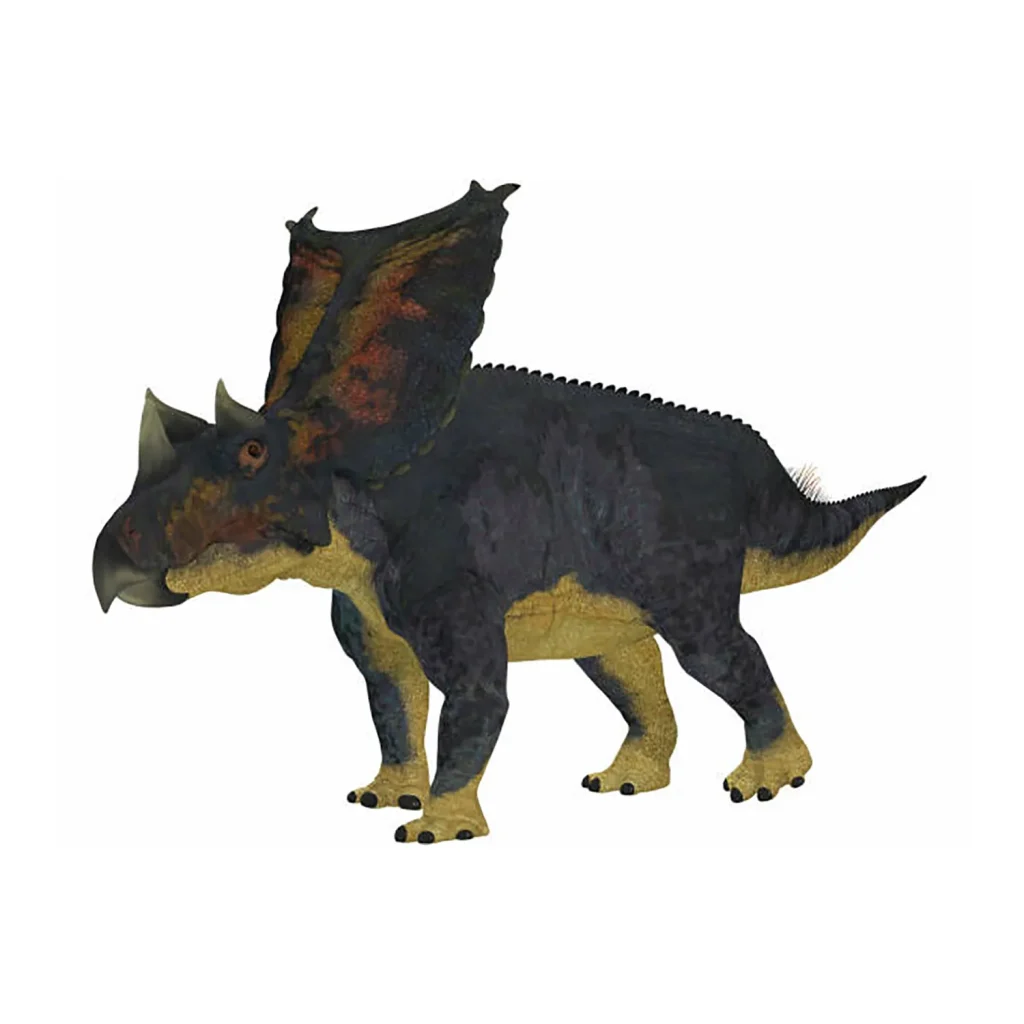
- Chasmosaurus
- Classification
- Marginocephalia
- Characteristics
- Herbivorous
- Era
- Cretaceous period
-
Sponsored Links
-
Sponsored Links














Description
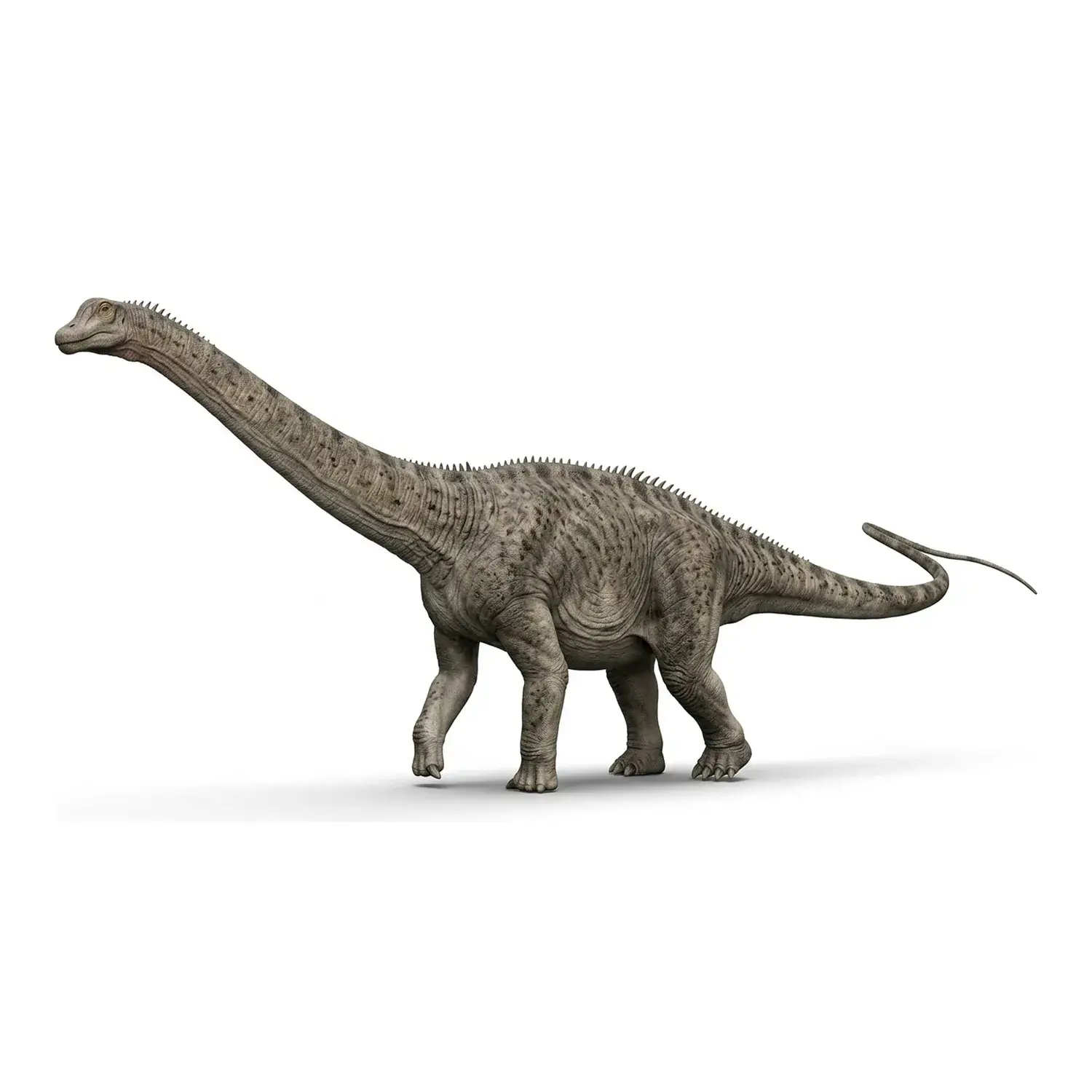
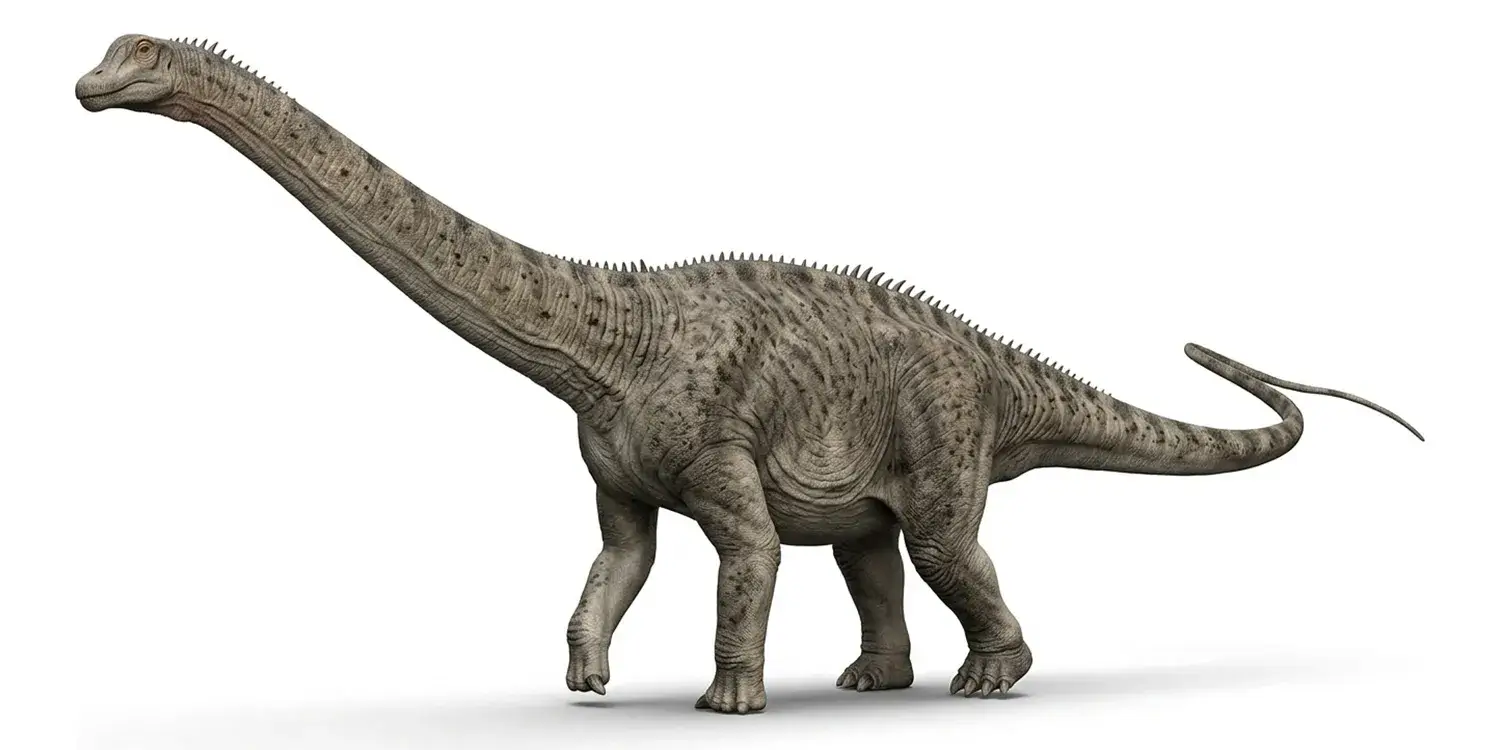
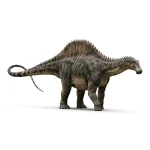
Amphicoelias was a large herbivorous dinosaur that lived in North America during the Late Jurassic.
It had a long neck and tail and walked on four legs. Its body is thought to have been slender and elongated, similar to that of Diplodocus.
One reason this dinosaur has attracted particular attention is that it was once estimated to have reached approximately 60 meters in length and approximately 150 tons in weight.
The basis for these extraordinary estimates was an exceptionally large vertebra fossil reportedly discovered in 1877.
However, the crucial fossil is now missing, and it remains unclear whether Amphicoelias really was such an enormous dinosaur.
Furthermore, a study published in 2018 proposed classifying it as a member of a different dinosaur group, and the mysteries surrounding Amphicoelias remain unresolved.
The Discovery of Amphicoelias and the Origin of Its Name
Amphicoelias fossils were discovered in 1877 near Morrison, Colorado, in the United States.
The discovery was made by Edward D. Cope, a paleontologist who was active in the United States during the 19th century.
Cope is known for his rivalry with fellow researcher Othniel C. Marsh, as the two competed to discover and study dinosaur fossils during a period known as the “Bone Wars.”
The genus name Amphicoelias comes from Greek words meaning “both sides” and “hollow.”
It describes the concave shape at both ends of its vertebrae. In Japanese, the dinosaur is also sometimes called “Sōkūryū,” meaning “double-hollow vertebra dinosaur.”
The type species of Amphicoelias is Amphicoelias altus.
This is a species known from fossil remains and is classified as a large sauropodomorph closely related to Diplodocus.
Size and Characteristics of Amphicoelias altus
Amphicoelias altus is estimated to have reached approximately 20 – 25 meters in length.
It was roughly the same size as Diplodocus and was a large herbivorous dinosaur that lived in North America during the Late Jurassic.
It is thought to have had a long neck and tail, well-developed shoulders, and slender legs.
Its overall body shape resembled that of Diplodocus, and it is believed to have supported its large body on four legs.
Like other sauropodomorphs, Amphicoelias is thought to have fed on plants.
It likely used its long neck to reach vegetation and had a large digestive system capable of processing substantial amounts of plant matter.
However, the complete skeletons of all Amphicoelias species are not known in detail.
In particular, the giant species Amphicoelias fragillimus is known from only a limited fossil record, so it cannot be confirmed that it shared the same physical characteristics as Amphicoelias altus.
Amphicoelias fragillimus: The Dinosaur Once Estimated to Reach 60 Meters in Length
The species that made Amphicoelias particularly famous was Amphicoelias fragillimus.
In 1877, Edward D. Cope discovered an exceptionally large vertebra fossil and named it as a new dinosaur species, Amphicoelias fragillimus.
According to the records, this vertebra was approximately 1.5 meters tall, although some interpretations suggested that it may have reached approximately 2.4 meters.
Using Cope’s fossil records and illustrations, researchers estimated the size of the entire animal by referring to the body proportions of closely related dinosaurs in the Diplodocus group.
This produced astonishing estimates of approximately 60 meters in length and approximately 150 tons in weight.
If these estimates were correct, Amphicoelias fragillimus may have been one of the largest land animals in history.
Considering that many large sauropodomorphs are estimated to have reached approximately 20 – 30 meters in length, the estimate of approximately 60 meters is extraordinary.
However, this estimate was not based on measurements of a complete skeleton.
Instead, it was calculated from records of a limited number of vertebrae, using the body proportions of other dinosaurs as a reference.
Since the results vary depending on which dinosaur and body proportions are used for comparison, the estimate of 60 meters is not a confirmed measurement.
The Missing Giant Fossil and the Mysteries It Left Behind
One of the biggest obstacles to studying Amphicoelias fragillimus is that the enormous vertebra fossil originally discovered is now missing.
The fossil was reportedly transported from Morrison, Colorado, to the American Museum of Natural History in New York for research.
However, its whereabouts subsequently became unknown, and the original specimen has never been located.
As a result, researchers can only examine the records and illustrations left by Cope.
Without access to the actual fossil, it is difficult to reassess the vertebra’s precise size and shape.
There are also questions about whether the fossil described in the records was actually a dinosaur vertebra.
Some researchers have suggested that it may have been a different fossil, such as a tree trunk, or that the recorded measurements may have contained errors.
Because the original fossil has not been found and its classification cannot be established from the surviving records alone, Amphicoelias fragillimus remains a dinosaur surrounded by considerable mystery.
Reclassification as Maraapunisaurus and a Revised Size Estimate
In 2018, paleontologist Kenneth Carpenter reexamined the surviving records of Amphicoelias fragillimus.
He suggested that the vertebra’s characteristics may have been more similar to those of dinosaurs in the family Rebbachisauridae than to those of the family Diplodocidae.
Rebbachisauridae is a group of sauropodomorphs closely related to Diplodocus.
Carpenter proposed separating the species fragillimus from the genus Amphicoelias and placing it in a new genus called “Maraapunisaurus.”
This resulted in the proposed scientific name Maraapunisaurus fragillimus.
This reclassification also led researchers to reconsider the dinosaur’s size.
The previous estimate of approximately 60 meters was based on the body proportions of the Diplodocus group, but rebbachisaurids had different vertebral shapes and body proportions.
By recalculating its size using the body proportions of Rebbachisauridae as a reference, the estimated length was revised to approximately 30 – 32 meters.
Although this is considerably shorter than the previous estimate, the dinosaur may still have been among the largest sauropodomorphs in history, comparable in size to Supersaurus.
However, Maraapunisaurus faces the same problem: the original fossil has not been located.
Its reclassification and estimated body length therefore remain uncertain.
Was Amphicoelias the Largest Dinosaur in History?
The claim that Amphicoelias fragillimus may have reached approximately 60 meters in length is one of the most famous theories in discussions about dinosaur size.
However, comparisons with other giant dinosaurs must also take into account differences in fossil preservation and the methods used to estimate body size.
Dinosaurs that may have reached approximately 30 – 35 meters in length include Mamenchisaurus, Supersaurus, and Futalognkosaurus.
Other dinosaurs, such as Argentinosaurus and Sauroposeidon, are also known for their enormous body mass.
A dinosaur’s length and weight do not necessarily correspond to each other.
A slender, elongated dinosaur and a more heavily built dinosaur may have very different weights even if they are the same length.
Amphicoelias fragillimus was estimated to have weighed approximately 150 tons, potentially making it comparable in mass to a blue whale.
However, since the original fossil cannot be examined and questions remain about its measurements and classification, it cannot be definitively identified as the largest dinosaur in history.